

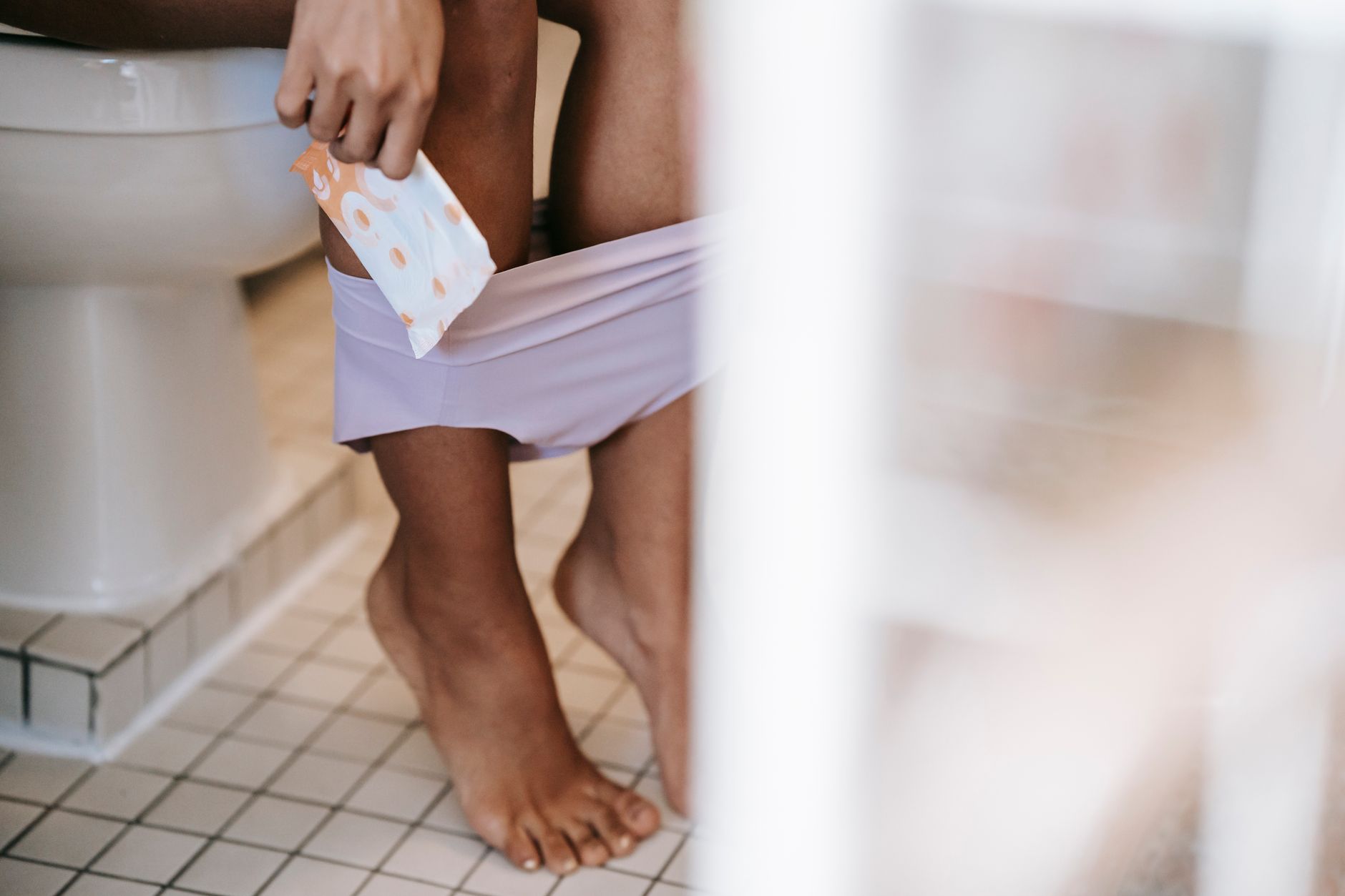
Menstrual Hygiene Facilities: Clear Gaps Found in Schools
menstrual hygiene facilities are a critical issue, as the Supreme Court flags significant gaps in their availability at schools, prompting surprise inspections.
Overview of Menstrual Hygiene Facilities
Menstrual hygiene facilities are crucial for the health and well-being of students, yet recent inspections have revealed significant shortcomings in schools across the country. The Supreme Court has highlighted these gaps, emphasizing the need for improved access to adequate sanitation and hygiene resources.
During surprise inspections, many schools were found lacking in essential facilities that support menstrual hygiene. Key issues identified include:
- Inadequate private spaces for changing sanitary products.
- Lack of access to clean and safe disposal options for menstrual waste.
- Insufficient education and awareness programs regarding menstrual health.
- Limited availability of menstrual products for students in need.
These deficiencies not only affect the physical health of students but also contribute to absenteeism and hinder academic performance. The lack of proper menstrual hygiene facilities creates an environment where young girls may feel embarrassed or uncomfortable, further perpetuating stigma around menstruation.
As the Supreme Court calls for immediate action, it is imperative that schools prioritize the establishment of comprehensive menstrual hygiene facilities. This will ensure that all students have the support they need to manage their menstrual health with dignity and confidence.
Supreme Court’s Role in Inspections
The Supreme Court has taken a proactive stance in addressing the deficiencies in menstrual hygiene facilities across schools. In a recent ruling, the court flagged significant gaps in the availability and maintenance of these essential facilities, which are crucial for the well-being of adolescent girls. To ensure that schools comply with regulations regarding menstrual hygiene, the court has ordered surprise inspections to be conducted across various educational institutions.
These inspections aim to assess the state of menstrual hygiene facilities, including:
- Availability of sanitary products
- Cleanliness and accessibility of restrooms
- Awareness programs about menstrual health
- Privacy measures for girls during menstruation
The court’s decision highlights the urgent need for improved menstrual hygiene facilities, recognizing that inadequate resources can lead to health issues and hinder educational participation for girls. By mandating inspections, the Supreme Court seeks to hold schools accountable, ensuring they provide a safe and supportive environment for female students. This initiative not only addresses immediate concerns but also promotes long-term awareness and education surrounding menstrual health, which is essential for empowering young women in society.
Impact on Students’ Health
The lack of adequate menstrual hygiene facilities in schools has significant repercussions on the health and well-being of students. Many young girls face challenges during their menstrual cycles, leading to physical discomfort and emotional distress. Without proper access to sanitary products and clean restroom facilities, students may resort to using makeshift materials, which can lead to serious health issues such as infections.
Research highlights that inadequate menstrual hygiene management can result in:
- Increased absenteeism: Girls may miss school during their menstrual periods due to fear of stigma or a lack of sanitary supplies.
- Lower academic performance: Frequent absences can hinder educational attainment, impacting future opportunities.
- Mental health issues: The embarrassment and anxiety surrounding menstruation can lead to diminished confidence and self-esteem.
Providing proper menstrual hygiene facilities is essential for fostering a supportive educational environment. Schools need to ensure that girls have access to:
- Sanitary products: Adequate supplies should be readily available.
- Clean restrooms: Facilities should be hygienic and private to encourage usage.
The Supreme Court’s recent actions emphasize the urgent need for schools to address these gaps to secure the health and education of female students.
Government Response to Findings
The recent findings regarding menstrual hygiene facilities in schools have prompted a swift response from the government. In light of the Supreme Court’s alarming observations, officials are now prioritizing the establishment and improvement of these essential facilities across educational institutions.
To address the gaps identified, the government has outlined several key measures:
- Immediate Assessments: A nationwide assessment will be conducted to evaluate existing menstrual hygiene facilities in schools.
- Funding Initiatives: Increased funding will be allocated to support the installation and maintenance of menstrual hygiene facilities, ensuring that all students have access to necessary resources.
- Awareness Campaigns: Educational programs will be rolled out to inform students and staff about the importance of menstrual hygiene and to promote a culture of openness surrounding menstruation.
- Collaboration with NGOs: The government plans to partner with non-governmental organizations to enhance the reach and effectiveness of menstrual hygiene initiatives.
Officials emphasize that these actions are critical not only for the health and well-being of students but also for fostering an inclusive environment in schools. By addressing the deficiencies in menstrual hygiene facilities, the government aims to empower young individuals to manage their health with dignity and confidence.
Importance of Proper Facilities
Access to proper menstrual hygiene facilities is crucial for the overall well-being of students. Lack of adequate resources can significantly affect not only physical health but also emotional and social aspects of a young person’s life. When schools fail to provide appropriate facilities, it can lead to increased absenteeism among girls during their menstrual cycles, which in turn hampers their educational progress.
Furthermore, the stigma surrounding menstruation often prevents open discussions about the importance of hygiene. This silence can exacerbate the challenges faced by students, making it essential for educators and policymakers to prioritize the establishment of proper menstrual hygiene facilities. Effective facilities can include:
- Clean and private restrooms equipped with disposal bins for sanitary products.
- Access to menstrual products such as pads and tampons, ideally provided free of charge.
- Educational programs that promote understanding of menstrual health and hygiene.
- Support from school staff to address any concerns students may have regarding their menstrual health.
By addressing these gaps, schools can foster an environment that supports healthy practices and empowers students to manage their menstrual health effectively.
Challenges in Implementing Changes
Despite the heightened awareness around the necessity of menstrual hygiene facilities, significant challenges persist in implementing necessary changes in schools. Many institutions struggle with inadequate resources, leading to insufficient provisions for students during their menstrual cycles.
One major challenge is the lack of trained personnel who can effectively manage and maintain these facilities. Schools often lack staff dedicated to ensuring the cleanliness and accessibility of menstrual hygiene products. This not only deters students from utilizing these facilities but also impacts their overall health and well-being.
Another issue is the stigma surrounding menstruation, which can inhibit open discussions about menstrual hygiene facilities. Many students feel embarrassed or uncomfortable discussing their needs, resulting in a lack of feedback to school administrations. This silence further perpetuates the cycle of neglect regarding proper menstrual hygiene.
Furthermore, budget constraints can prevent schools from investing in essential infrastructure improvements. Some institutions prioritize other educational resources over health-related needs, leaving menstrual hygiene facilities underfunded and poorly equipped.
As a result, the gaps identified by the Supreme Court highlight the urgent need for actionable solutions to ensure that all students have access to proper menstrual hygiene facilities, thereby promoting a healthier and more supportive educational environment.
Community Reactions to Inspections
Community reactions to the recent inspections of menstrual hygiene facilities in schools have been mixed, with many expressing concern over the findings. Parents and local activists are increasingly aware of the crucial role these facilities play in ensuring the health and well-being of students.
Many community members have voiced their shock regarding the inadequate state of menstrual hygiene facilities in several schools. Maria Lopez, a local parent, stated, “It is alarming to think that our children do not have access to basic hygiene needs during such a critical time in their lives.” This sentiment is echoed by numerous advocates advocating for improved conditions.
There are calls for immediate action to address the gaps identified by the Supreme Court inspections. Jamal Khan, a community leader, emphasized, “Proper menstrual hygiene facilities are not just a luxury; they are a necessity that can affect a student’s ability to attend school regularly.”
Moreover, some community members have taken it upon themselves to raise awareness and mobilize efforts to push for better facilities in schools. They are organizing workshops and informational sessions to educate both students and parents about the importance of proper menstrual hygiene practices.
As discussions continue, the hope is that these inspections will lead to lasting improvements in menstrual hygiene facilities across the region.
Future Steps for Improvement
As the conversation around menstrual hygiene facilities in schools gains momentum, stakeholders are advocating for a more proactive approach to address the identified gaps. Future steps for improvement are crucial to ensuring that all students have access to the necessary resources for maintaining their menstrual health.
Key recommendations for enhancing menstrual hygiene facilities include:
- Infrastructure Upgrades: Schools should prioritize the installation of private, clean, and accessible restrooms equipped with necessary sanitary products.
- Education and Training: Implementing comprehensive education programs for students and staff about menstrual health can help normalize discussions and reduce stigma.
- Regular Inspections: Schools should establish a framework for regular assessments of hygiene facilities to ensure they meet health standards.
- Partnerships with NGOs: Collaborating with non-governmental organizations can provide additional resources and expertise to improve facilities.
In addition to physical improvements, fostering a supportive environment is essential. Creating open lines of communication where students feel comfortable discussing their needs can lead to more effective solutions. By prioritizing menstrual hygiene facilities, educational institutions can contribute significantly to the overall well-being and academic success of students.
Photo by Sora Shimazaki on Pexels
Sources
You might also like
Is the Asian Hockey Federation Making the Right Move? · NBC4 helicopter tragedy: What went wrong and why? · Houthis Drone Attack Mecca: The Worst Claims Explained