

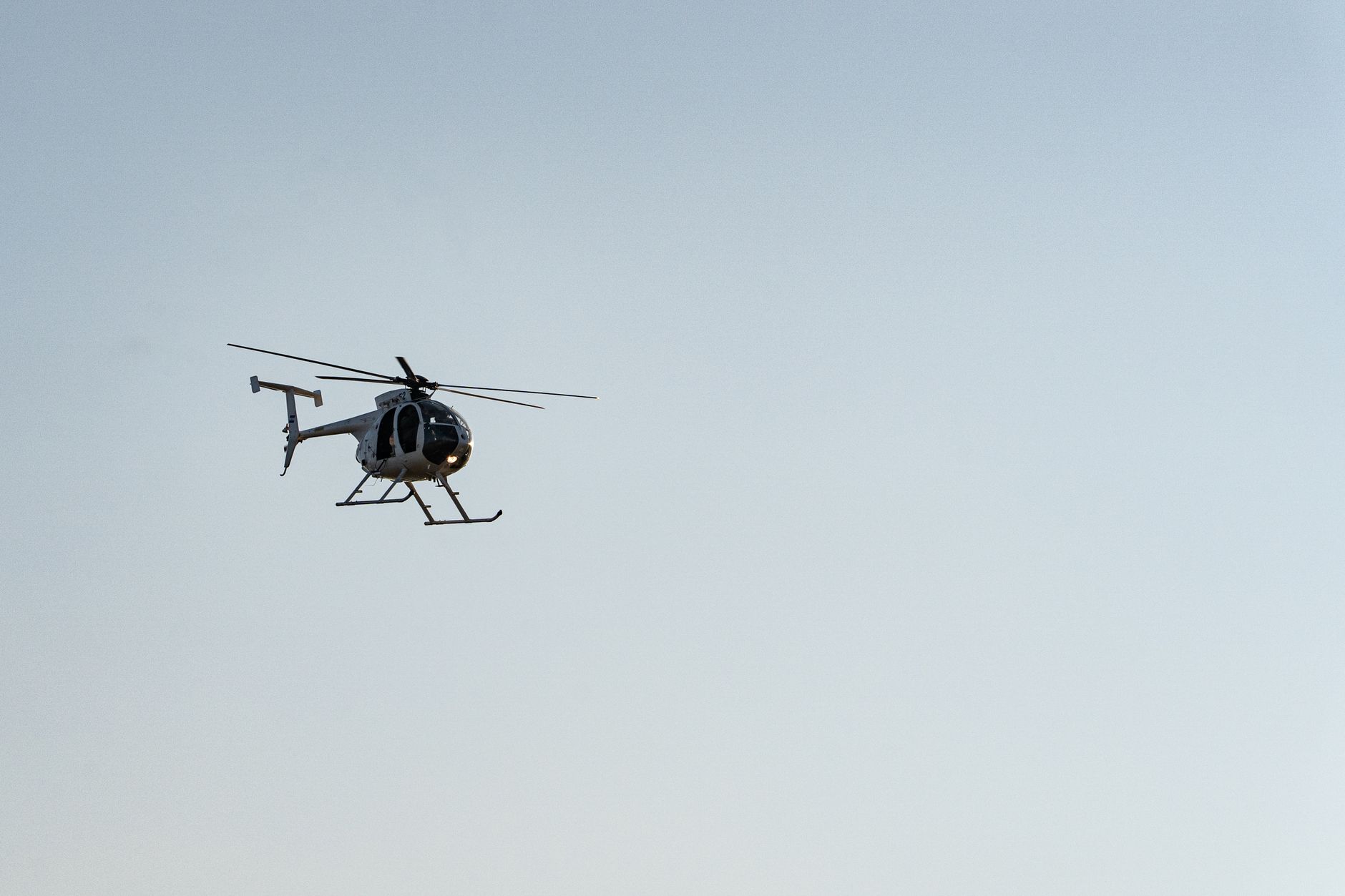
NBC4 helicopter tragedy: What went wrong and why?
NBC4 helicopter tragedy has shocked the community, raising concerns about safety and the responsibilities of news organizations.
Understanding the NBC4 helicopter tragedy
The NBC4 helicopter tragedy has left many in shock and mourning. On a routine assignment, the station’s helicopter lost contact with ground control, leading to a devastating crash. Eyewitnesses reported hearing a loud noise before the helicopter descended rapidly, raising questions about what went wrong.
Authorities are currently investigating the circumstances surrounding the incident, with preliminary findings suggesting potential mechanical failure. As the investigation unfolds, the community is rallying around the families affected by this tragedy.
In the wake of the NBC4 helicopter tragedy, the station has expressed its commitment to transparency and support for those grieving. They aim to honor the lives lost by ensuring that all safety protocols are thoroughly reviewed to prevent future incidents.
Among the victims were experienced pilots and dedicated crew members, whose contributions to journalism will not be forgotten.
Impact on local journalism
The NBC4 helicopter tragedy has sent shockwaves through the local journalism community, highlighting the inherent risks that come with aerial reporting.
News organizations have always relied on helicopters for real-time coverage, but this incident raises critical questions about safety protocols and operational oversight.
Local reporters have expressed their deep sorrow, noting that the loss of their colleagues not only impacts their newsroom but also the communities they serve.
In response to the tragedy, several news outlets are reevaluating their safety measures and training programs.
As the investigation unfolds, journalists across the region are coming together to honor the memory of those lost while emphasizing the importance of safety in their reporting practices.
Ultimately, the NBC4 helicopter tragedy serves as a stark reminder of the challenges faced by those dedicated to bringing the news to the public.
Safety measures in news reporting
The tragic incident involving the NBC4 helicopter has raised important questions about safety measures in news reporting. Helicopter operations are inherently risky, and media organizations must prioritize the well-being of their crews.
Several safety protocols can be assessed in light of the NBC4 helicopter tragedy:
- Regular Training: Continuous training for pilots and crew can enhance their ability to respond to emergencies.
- Maintenance Checks: Rigorous and frequent maintenance of aircraft ensures operational safety.
- Communication Systems: Reliable communication tools are crucial for maintaining contact during flights.
- Flight Risk Assessments: Conducting thorough risk assessments before each mission can help identify potential hazards.
As local journalism mourns, these measures could serve as critical lessons to prevent future tragedies.
Community reactions to the tragedy
In the wake of the NBC4 helicopter tragedy, the community has expressed profound sorrow and support for the families affected. Many local residents have gathered to pay tribute, sharing stories of the victims and reflecting on their contributions to the area.
One resident stated, “We are heartbroken. These journalists were part of our lives, bringing us news and updates every day.” Community vigils have been organized, with attendees lighting candles and sharing memories, highlighting the personal connections formed between the public and the news team.
In addition, local leaders have called for a reevaluation of safety protocols in aerial journalism, emphasizing the need for improved measures to prevent such tragedies from occurring in the future. The NBC4 helicopter tragedy serves as a stark reminder of the risks faced by reporters in pursuit of delivering timely news.
Photo by Edu Raw on Pexels
Where this came from
You might also like