

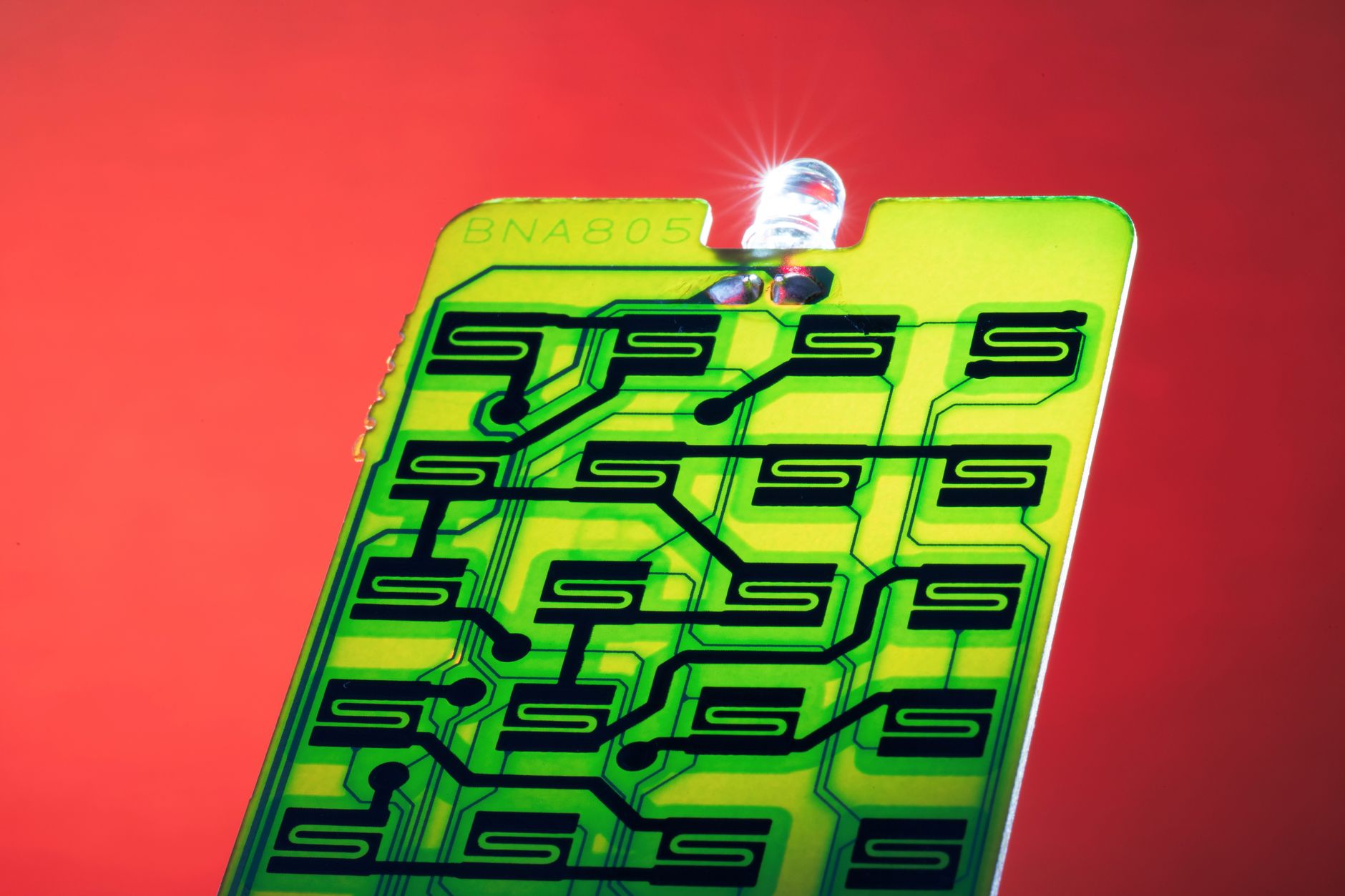
Stretchable electronics: What is the best proven technology?
stretchable electronics are revolutionizing technology by enabling flexible devices. This innovation relies on a molecular recipe that scientists are now striving to uncover.
What are stretchable electronics?
Stretchable electronics are a groundbreaking innovation that combines flexibility and functionality in electronic devices. These technologies enable the creation of electronic components that can be stretched, bent, or twisted without losing performance. This adaptability opens up new possibilities for applications in various fields, including healthcare, wearable technology, and robotics.
Some of the key features of stretchable electronics include:
- Durability: They can withstand significant deformation without damage.
- Lightweight: These materials are often lighter than traditional electronics.
- Integration: They can be seamlessly integrated into fabrics and other materials.
Research is ongoing to identify the best proven technologies that enhance the performance and reliability of stretchable electronics. As scientists explore the molecular recipes behind these innovations, the potential for transformative applications continues to grow.
The role of AI in research
Artificial Intelligence (AI) is playing a pivotal role in advancing research on stretchable electronics. By leveraging machine learning algorithms, researchers can analyze vast datasets to identify the optimal materials and combinations necessary for creating effective stretchable devices.
AI tools can predict the properties of new compounds, helping scientists to hone in on the most promising candidates for stretchable electronics. This approach not only accelerates the research process but also enhances the precision of material selection.
Additionally, AI-driven simulations allow for the exploration of various molecular structures, enabling researchers to understand how different configurations affect flexibility and conductivity. As a result, AI is transforming the landscape of stretchable electronics, leading to innovations that promise to revolutionize wearable technology, flexible displays, and more.
- Material discovery: AI helps identify new materials.
- Performance optimization: Algorithms predict device behavior.
- Accelerated research: Reduces time to market.
Current advancements in flexible technology
Recent advancements in flexible technology have significantly propelled the field of stretchable electronics forward. Researchers are exploring various materials and methods to enhance the performance and durability of these innovative devices. Key developments include:
- Conductive Polymers: These materials offer excellent flexibility and conductivity, making them ideal for stretchable circuits.
- Printable Electronics: Techniques that allow for the printing of electronic components on flexible substrates are gaining traction, leading to cost-effective manufacturing.
- Bio-inspired Designs: Mimicking natural structures, such as the human skin, researchers are creating electronics that can stretch and conform to various surfaces.
- Integration with Wearable Tech: The development of stretchable sensors is enabling new applications in health monitoring and smart textiles.
These advancements not only enhance the usability of stretchable electronics but also pave the way for innovative applications in various industries.
Challenges in developing stretchable electronics
Developing stretchable electronics presents several challenges that researchers are striving to overcome. One significant hurdle is achieving a balance between flexibility and durability. Materials must be both stretchable and capable of withstanding wear and tear over time.
Additionally, integrating stretchable components with traditional electronic systems can lead to issues with reliability and performance. The connection points between rigid and flexible materials often suffer from fatigue, which may limit the lifespan of the devices.
Moreover, the manufacturing processes for stretchable electronics are still in their infancy. They require innovation in materials science and engineering techniques to ensure scalability and cost-effectiveness for commercial applications.
Lastly, ensuring that these technologies maintain conductivity and functionality during deformation remains a critical challenge that must be addressed to unlock their full potential in various fields.
Applications of stretchable electronics
Stretchable electronics have emerged as a transformative technology with a variety of applications across different fields. Their unique properties allow them to conform to a wide range of surfaces, making them ideal for:
- Wearable devices: From fitness trackers to medical monitors, stretchable electronics can seamlessly integrate into clothing or directly onto the skin.
- Biomedical applications: They are used in sensors that monitor vital signs or deliver therapies, enhancing patient care.
- Consumer electronics: Flexible displays and adaptable interfaces are possible, providing enhanced user experiences.
- Soft robotics: These electronics enable robots to mimic natural movement, improving interaction with humans.
- Smart textiles: Incorporating stretchable electronics into fabrics opens new avenues for responsive and interactive clothing.
As research progresses, the potential for stretchable electronics continues to expand, promising innovative solutions in various sectors.
The future of electronics
The future of electronics appears increasingly intertwined with the development of stretchable electronics. As researchers delve deeper into material science and nanotechnology, the potential for these innovative devices expands significantly. The ability to create electronics that can conform to various shapes and surfaces opens up new avenues in several fields.
Future applications may include:
- Wearable health monitoring devices that adapt seamlessly to the human body.
- Smart textiles that incorporate electronics without compromising comfort.
- Advanced robotics that require flexible sensors and actuators.
- Environmental sensors that can withstand diverse conditions while maintaining functionality.
Moreover, the integration of AI in this research could accelerate the discovery of new materials, enhancing the performance and durability of stretchable electronics. As these innovations unfold, they promise to revolutionize how we interact with technology.
Understanding the molecular recipe
Researchers are delving into the intricate world of materials science to uncover the molecular recipe that underpins stretchable electronics. By focusing on the properties of various polymers and conductive materials, scientists aim to create devices that are not only flexible but also durable and efficient.
Key components in this molecular recipe include:
- Conductive Polymers: These materials allow electrical conductivity while maintaining flexibility.
- Elastomers: Used for their stretchable properties, elastomers are crucial for creating devices that can withstand deformation.
- Nanomaterials: Incorporating nanomaterials can enhance the performance and conductivity of the stretchable electronics.
As the search for the ideal molecular components continues, the integration of advanced technologies and innovative materials is expected to lead to breakthroughs in stretchable electronics, paving the way for new applications in various industries.
Expert opinions on the technology
Experts in the field of stretchable electronics have shared their insights on the promising technologies shaping the industry. Dr. Emily Chang, a leading researcher, highlights the importance of integrating organic materials, stating, “These materials offer flexibility and conductivity, which are essential for the development of stretchable devices.”
Similarly, Professor Mark Liu emphasizes the role of nanotechnology, noting, “By manipulating materials at the nanoscale, we can achieve unprecedented levels of stretchability without compromising performance.” This perspective aligns with recent advancements that showcase how engineers are overcoming the limitations previously encountered in flexible technology.
Moreover, Dr. Sarah Kim points out the need for collaboration between disciplines, stating, “Combining insights from materials science, engineering, and computer science will be crucial for the next breakthroughs in stretchable electronics.” Such expert opinions underscore a collective optimism about the future of this innovative technology.
Photo by Nic Wood on Pexels
Sources