

CJI Surya Kant’s Worst Decision on Meeting Request
CJI Surya Kant meeting request has been declined by the Chief Justice in response to Rahul Gandhi’s appeal for a discussion on significant judicial matters.
Overview of the Meeting Request
CJI Surya Kant has recently faced criticism following his decision to decline a meeting request from Leader of Opposition (LoP) Rahul Gandhi. The request was aimed at discussing significant issues surrounding the Selection Committee for the Chief Election Commissioner (CEC) and the implementation of the Supreme Court’s ruling on the SIR (Special Investigation Report). This situation raises concerns about transparency and accountability within the highest echelons of India’s judiciary and electoral processes.
Gandhi’s appeal highlighted the need for dialogue on pivotal reforms, emphasizing the importance of the judiciary’s role in upholding democratic principles. However, CJI Surya Kant’s refusal to engage in this conversation has sparked debate among political leaders and civil society.
- Concerns over judicial transparency
- Importance of the CEC in democratic processes
- Implications for future judicial and electoral reforms
This incident underscores the complexities of maintaining a balance between judicial independence and public accountability.
Background on SIR and CEC
The recent decision by CJI Surya Kant to decline the meeting request from Leader of Opposition (LoP) Rahul Gandhi has raised significant concerns regarding the implications for the Special Investigation Report (SIR) and the Chief Election Commissioner (CEC) discussions. This meeting request was anticipated to address pressing issues surrounding electoral integrity and judicial oversight.
In light of the ongoing controversies, the SIR has emerged as a critical document highlighting potential irregularities in the electoral process. The CEC, tasked with ensuring free and fair elections, has been under scrutiny, making discussions around these topics increasingly urgent.
- The SIR outlines serious allegations that could affect public trust.
- The role of the CEC in maintaining electoral fairness has come into question.
- Many are concerned about the implications of CJI Surya Kant’s decision on future judicial engagements.
As the political landscape evolves, the need for transparency and accountability remains paramount.
CJI Surya Kant’s Judicial Stance
The recent decision by CJI Surya Kant regarding the meeting request from Leader of Opposition Rahul Gandhi has drawn significant attention and criticism. Many legal experts and political analysts argue that the Chief Justice’s refusal to engage in dialogue over critical issues such as the Selection of Independent Regulators (SIR) and the Chief Election Commissioner (CEC) reflects a concerning judicial stance.
Supporters of the decision assert that maintaining the independence of the judiciary is paramount, and that meeting requests from political figures could compromise this principle. However, detractors believe that open communication between the judiciary and legislative leaders is essential for ensuring transparency and accountability in governance.
As the debate unfolds, CJI Surya Kant’s judicial stance is being scrutinized, with many questioning whether such a decision aligns with the expectations of a democratic society where dialogue is encouraged. This situation underscores the ongoing tension between the judiciary and political branches of government.
Rahul Gandhi’s Political Influence
The political landscape in India often witnesses significant interactions between judiciary and political figures, and the recent CJI Surya Kant meeting request from Rahul Gandhi has raised eyebrows. Gandhi, a prominent leader of the opposition, sought a discussion with the Chief Justice of India regarding pressing concerns related to the SIR and CEC. However, CJI Surya Kant’s decision to decline the meeting request has sparked debates across political circles.
Supporters of Rahul Gandhi argue that such meetings are essential for maintaining transparency and accountability within the judicial system. They believe that open dialogue can help bridge the gap between political leadership and the judiciary, fostering mutual respect and collaboration.
- Critics express concern about the implications of declining political meetings.
- Supporters emphasize the need for dialogue on judicial matters.
This incident reflects the delicate balance between judicial independence and political influence in India, raising questions about the future of such interactions.
Public Reaction to the Decision
The decision by CJI Surya Kant to decline the meeting request from Leader of Opposition Rahul Gandhi has sparked a wave of public reactions across various platforms. Many citizens and political analysts have expressed their opinions on social media, reflecting a mix of support and discontent.
- Support for CJI Surya Kant: Some individuals believe that the Chief Justice is maintaining judicial independence by not engaging in political discussions.
- Criticism: Others argue that the meeting could have provided a necessary forum for discussing critical issues surrounding the SIR and CEC, viewing the refusal as a missed opportunity.
- Political Ramifications: Analysts suggest that this decision may have broader implications for the relationship between the judiciary and the government, emphasizing the need for ongoing dialogue.
Overall, the public reaction to CJI Surya Kant’s decision on the meeting request illustrates the complex intersection of politics and law in contemporary India.
Implications for Judicial Transparency
The recent decision by CJI Surya Kant to decline the meeting request from Leader of Opposition Rahul Gandhi has raised significant concerns regarding judicial transparency. This move is seen as a pivotal moment, as it underscores the ongoing tensions between the judiciary and political entities.
Critics argue that such refusals can foster a perception of detachment within the judiciary, potentially undermining public trust. The implications are vast, affecting not only the relationship between the government and the judiciary but also the public’s confidence in the legal system.
Furthermore, transparency is essential for maintaining the integrity of judicial processes. By rejecting the meeting request, CJI Surya Kant may unintentionally signal a reluctance to engage in dialogue with key political figures, which is crucial for a balanced and fair judicial system.
- Judicial Independence: Maintaining autonomy from political pressures.
- Public Perception: Navigating the delicate balance between trust and skepticism.
Future of Political Engagement with Judiciary
The decision by CJI Surya Kant to decline the meeting request from Leader of Opposition Rahul Gandhi raises important questions about the future of political engagement with the judiciary.
Historically, interactions between political leaders and the judiciary have played a significant role in shaping legal frameworks and public policy. However, this recent refusal may signal a shift towards a more insular judicial approach.
Many observers believe that such a stance could diminish opportunities for dialogue between the two branches of government, potentially impacting the public’s perception of judicial independence.
Some key considerations include:
- Judicial Independence: Balancing political engagement while maintaining impartiality.
- Public Trust: Ensuring that the judiciary remains transparent and accountable.
- Future Collaborations: Possibilities for constructive discussions on legal reforms and governance.
Ultimately, CJI Surya Kant’s decision regarding the meeting request may influence how future interactions unfold between politicians and the judiciary.
The implications of the CJI Surya Kant meeting request have sparked widespread debate among legal experts. Many believe that the handling of the CJI Surya Kant meeting request could set a concerning precedent for future judicial interactions.
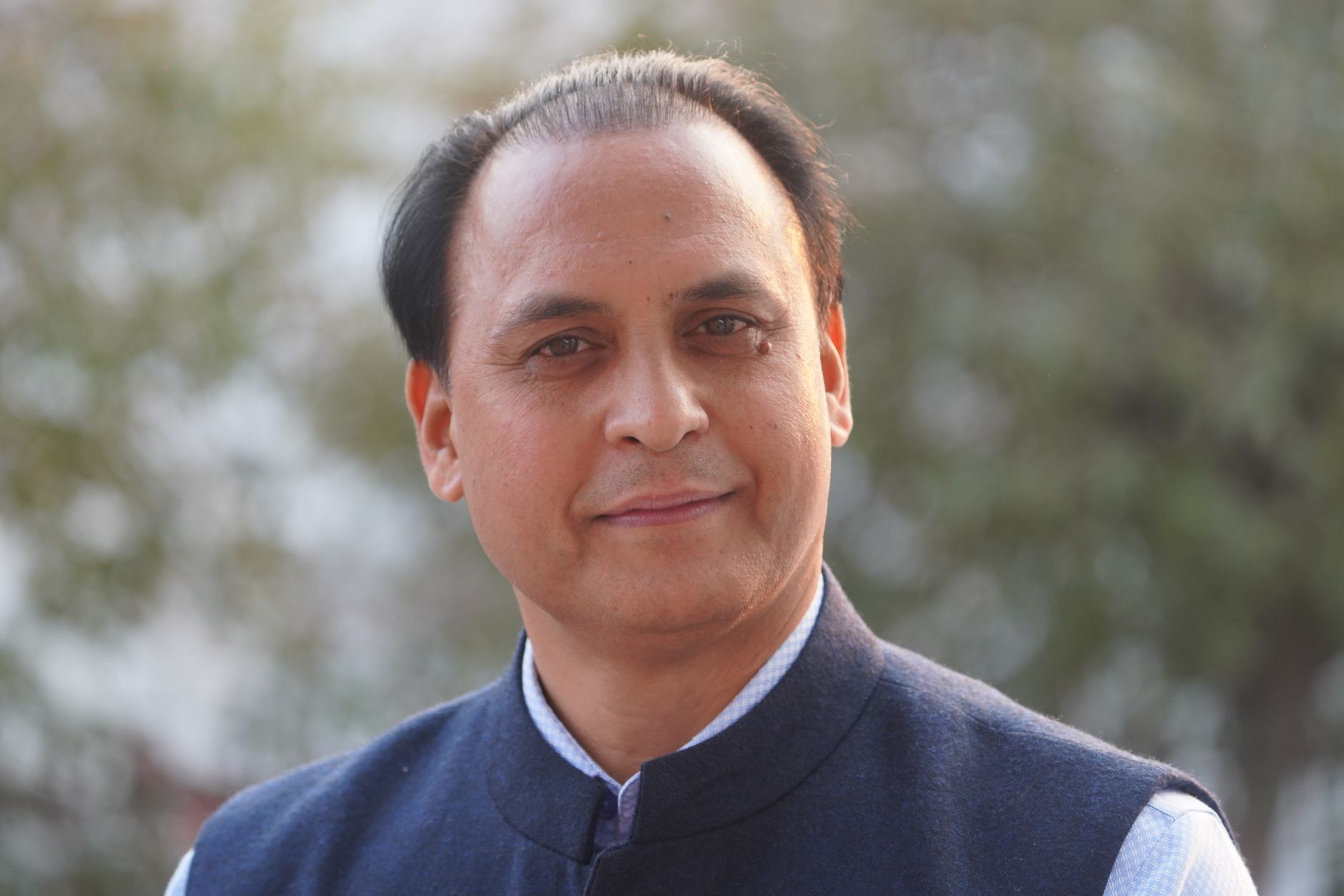
Photo by Ravinder Ravi on Pexels
Where this came from
You might also like
Delhi-Chennai flight smoke alert: Is it Safe to Fly? · Taiz hospitals crisis: What are the real impacts of the siege? · AST SpaceMobile Insights: Proven Smart Strategies for Investors