
Is Hitler Mussolini the Worst Mayor in Peru’s History?
Hitler Mussolini mayor Peru has become a topic of heated discussion following his recent election. This unexpected name has raised eyebrows and questions about the future of local governance.
Background on Hitler Mussolini
In a surprising turn of events, a man named Hitler Mussolini has been elected as the mayor of a small town in Peru, sparking controversy and debate. The name alone has raised eyebrows, as it combines the infamous identities of Adolf Hitler and Benito Mussolini, two leaders known for their totalitarian regimes and the atrocities committed during World War II.
Hitler Mussolini, who campaigned on a platform of economic improvement and local development, seems to have garnered a following among some voters who feel disillusioned with traditional political figures. His election has led many to question the values and sentiments within his constituency, as well as the implications of electing someone with such a provocative name.
Critics argue that this choice reflects a troubling trend in politics, where sensationalism can overshadow qualifications and governance. Supporters, on the other hand, claim that the name should not define the man, emphasizing his commitment to serving the community.
As discussions intensify about whether Hitler Mussolini is the worst mayor in Peru’s history, the town watches closely to see how his leadership will unfold.
Public Reaction to the Election
The election of Hitler Mussolini as mayor has sparked intense reactions across Peru. Many citizens are bewildered by the choice, questioning how a man bearing such a controversial name could secure a position of power. Critics argue that his name alone is a stark reminder of dark historical figures, raising concerns about the values he may represent.
Social media has been ablaze with comments, memes, and debates regarding the implications of his election. Supporters of Mussolini assert that he should be judged on his policies and vision for the community rather than his name. They believe he can bring positive change and economic growth to the area.
Conversely, opponents fear that his name may embolden extremist ideologies and create divisions within the community. Many are calling for a reevaluation of the electoral process, suggesting that candidates with contentious names should be subject to additional scrutiny.
In light of this election, Peruvians are reflecting on their political choices and the significance of names in shaping public perception. As the debate continues, the question remains: is Hitler Mussolini the worst mayor in Peru’s history?
Implications for Peru’s Future
The election of Hitler Mussolini as mayor has raised significant concerns about the implications for Peru’s future. Many citizens worry that his controversial name may embolden extremist ideologies and challenge democratic values within the country.
Critics argue that a leader with such a provocative name could polarize communities and deepen societal divisions. This concern is particularly pressing in a nation that has faced its share of political turmoil and civil unrest. The visibility of Hitler Mussolini in the political landscape may also attract international scrutiny, potentially impacting foreign relations and investments.
Furthermore, there are fears that his administration might prioritize populist rhetoric over effective governance. Observers note that his election could set a precedent for other candidates with similarly controversial backgrounds to emerge, complicating the political climate in Peru.
In this context, the responsibility lies with the citizens to remain vigilant and engaged in the democratic process. They must hold elected officials accountable and ensure that the values of inclusivity and peace prevail, regardless of who occupies the mayor’s office.
Ultimately, the implications of Hitler Mussolini’s election may reverberate far beyond the local level, shaping the trajectory of Peru’s political future.
Analysis of Local Governance Trends
The election of Hitler Mussolini as mayor in Peru has sparked a significant debate regarding local governance trends. Local governance in Peru has often been characterized by a complex interplay of political affiliations, community needs, and public sentiment. With a name that evokes controversy, Hitler Mussolini’s election may reflect deeper societal issues rather than mere individual choices.
Historically, Peruvian towns have seen a range of mayors, from those who embraced progressive policies to others who upheld traditional values. The rise of a figure like Hitler Mussolini could indicate a shift towards populist sentiments among the electorate, who may feel disillusioned by established political parties and seek alternative leadership styles.
In examining the implications of his leadership, it is crucial to consider how his administration may approach pressing local issues such as public safety, infrastructure improvement, and community engagement. Critics argue that his controversial name may overshadow his policies, while supporters believe that he represents a break from the past. As Peru navigates the complexities of its political landscape, the governance trends set by Hitler Mussolini will likely serve as a focal point for future discussions.
Many residents believe that Hitler Mussolini mayor Peru has made decisions that have negatively impacted the community. Critics argue that his leadership style reflects a troubling trend in local governance, making Hitler Mussolini mayor Peru a controversial figure in the city’s history.
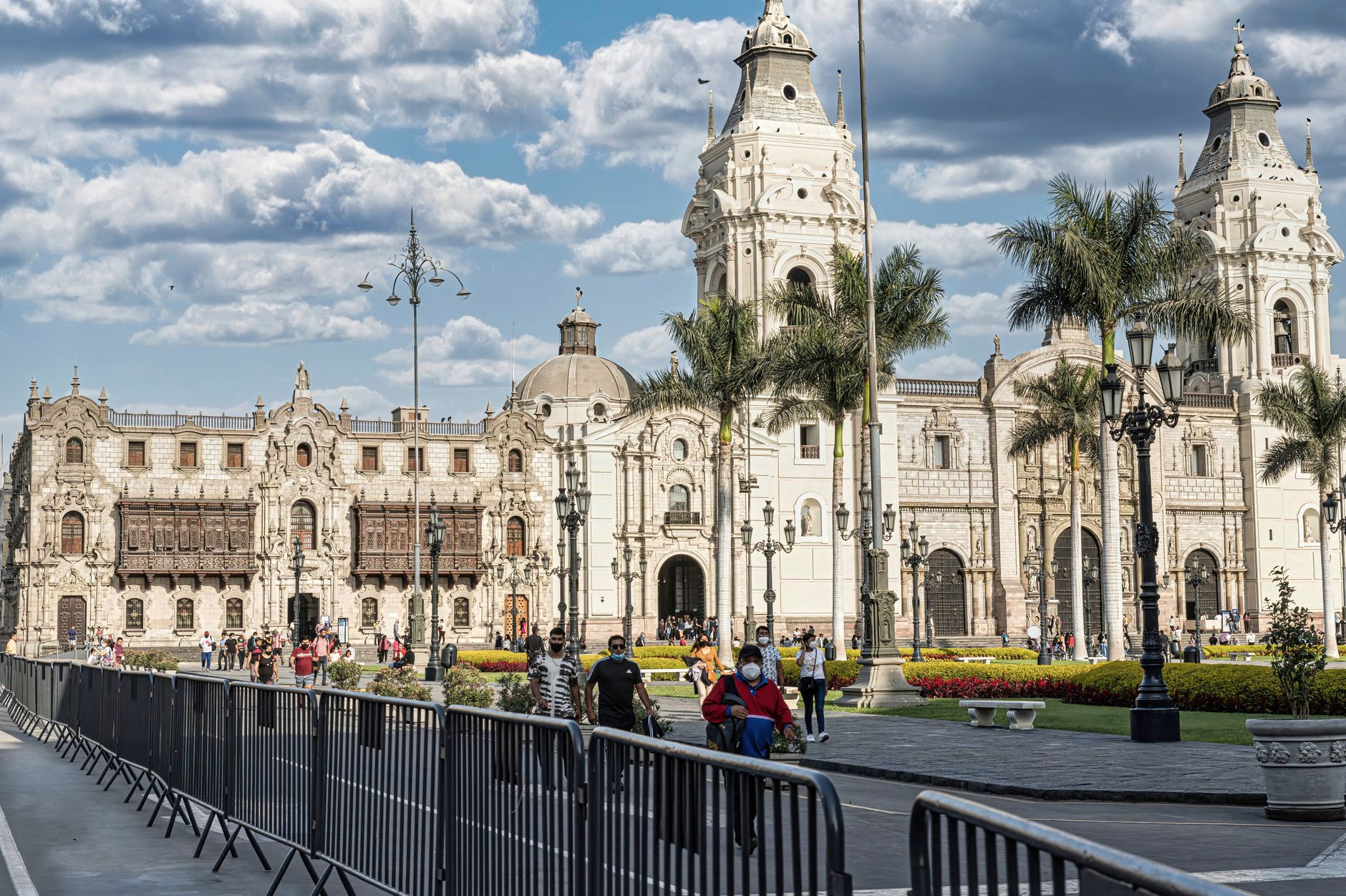
Photo by Alberto Capparelli on Pexels
Where this came from
Related stories