

Delhi-Chennai flight smoke alert: Is it Safe to Fly?
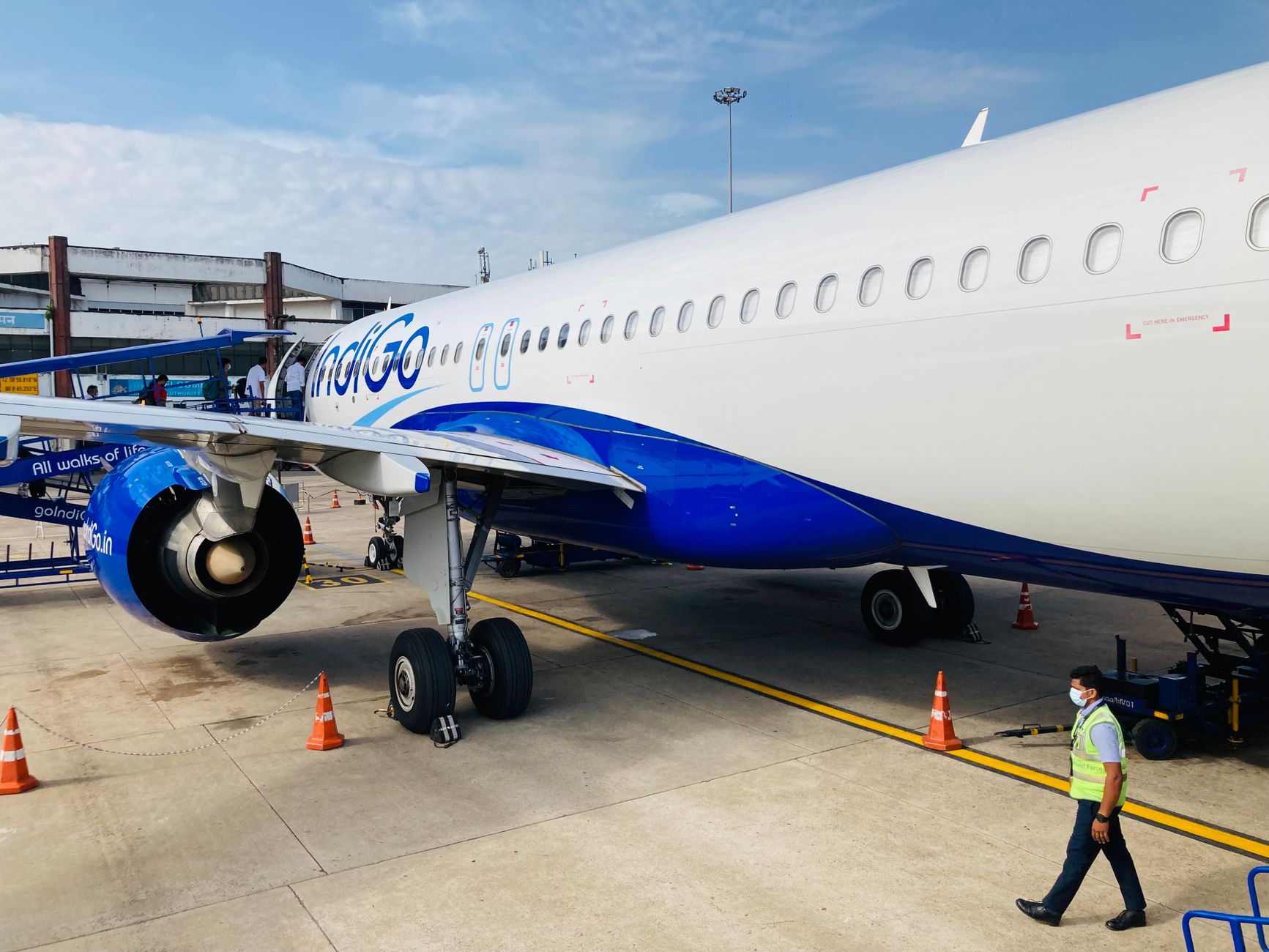
The Delhi-Chennai flight smoke alert was addressed when IndiGo’s aircraft safely landed in Hyderabad. This incident has sparked discussions about flight safety protocols.
What Happened on the Delhi-Chennai Flight?
On a recent IndiGo flight from Delhi to Chennai, passengers experienced a sudden scare when the crew reported a smoke alert shortly after takeoff. The flight, which was bound for Chennai, had to make an emergency landing in Hyderabad due to safety concerns. Passengers onboard described the situation as tense, with some expressing anxiety over the prospect of smoke in the cabin.
The quick response from the flight crew ensured that all safety protocols were followed. They informed passengers of the situation, assuring them that their safety was the top priority. According to reports, the aircraft was inspected thoroughly upon landing, and no visible smoke or fire was found in the plane.
IndiGo officials have stated that the safety measures taken were in line with aviation regulations, emphasizing the importance of acting swiftly when any potential risk is detected. Passengers were safely evacuated, and alternative arrangements were made for them to continue their journey to Chennai.
While travel disruptions are always concerning, the incident highlights the critical nature of safety protocols in aviation. The Delhi-Chennai flight smoke alert has raised questions among travelers about the safety of flying, but experts assure that such measures are essential for ensuring passenger safety in the aviation industry.
IndiGo’s Response to the Incident
In response to the recent incident involving a Delhi-Chennai flight smoke alert, IndiGo Airlines issued a statement addressing the concerns raised by passengers and the public. The airline confirmed that the flight, which was diverted to Hyderabad, encountered a warning indicating potential smoke in the cockpit. However, they reassured everyone that the aircraft landed safely and that all 180 passengers on board were unharmed.
IndiGo emphasized that safety is their top priority and that they adhere strictly to safety protocols in such situations. The airline stated that the decision to divert was made in the interest of passenger safety, showcasing their commitment to ensuring a secure flying experience.
The statement included the following key points:
- Safety Protocols: IndiGo confirmed that all necessary safety measures were taken during the incident.
- Passenger Care: The airline arranged for alternative transportation for passengers to continue their journey to Chennai.
- Investigation: An internal investigation is underway to determine the cause of the smoke alert and to prevent future occurrences.
While the Delhi-Chennai flight smoke alert raised concerns among travelers, IndiGo’s prompt and effective response highlights their dedication to passenger safety and operational integrity.
Safety Measures for Passengers
In light of the recent Delhi-Chennai flight smoke alert, passengers are understandably concerned about their safety during air travel. To ensure a safer flying experience, airlines and authorities have implemented several safety measures that passengers should be aware of.
- Regular Maintenance Checks: Airlines conduct frequent inspections and maintenance on their aircraft to detect potential issues before they become serious. This includes thorough checks of the electrical systems, engines, and cabin conditions.
- Smoke Detection Systems: Modern aircraft are equipped with advanced smoke detection systems that can alert the crew of any smoke presence in the cabin or cargo area, allowing for prompt action.
- Training for Crew Members: Flight attendants and pilots undergo rigorous training to handle emergency situations, including smoke alerts. They are well-equipped to manage passenger safety and ensure a calm environment.
- Passenger Briefings: Before takeoff, passengers receive safety briefings that cover essential procedures to follow in case of an emergency. Paying attention to these briefings can enhance personal safety during flights.
- Emergency Exits and Equipment: Familiarizing oneself with the location of emergency exits and equipment can be crucial in ensuring a safe evacuation if needed.
While incidents like the Delhi-Chennai flight smoke alert can be alarming, being informed about safety measures can help alleviate passenger concerns.
Understanding Smoke Alerts in Aviation
In the world of aviation, smoke alerts are critical indicators that require immediate attention. Such alerts can arise from various sources, including electrical malfunctions, overheating components, or even external factors like smoke from nearby wildfires. Understanding the nuances of these alerts is essential for both passengers and crew members.
When a smoke alert is triggered, pilots follow established protocols to ensure the safety of everyone on board. The first step typically involves assessing the situation and determining the source of the smoke. This process often includes:
- Monitoring instruments: Pilots check various gauges and indicators to identify any abnormalities.
- Communicating with the crew: Cabin crew are informed about the situation to prepare for potential emergency procedures.
- Preparing for landing: The flight is redirected to the nearest suitable airport, as seen in the recent Delhi-Chennai flight smoke alert incident.
Passengers are advised to remain calm and attentive during such situations. The training of flight crews equips them to handle emergencies efficiently, ensuring passenger safety. In the case of the Delhi-Chennai flight, the swift response by the crew and the safe landing in Hyderabad alleviated concerns about the overall safety of flying. The incident underscores the importance of strict safety protocols and the effectiveness of communication in crisis situations.
Reactions from Passengers
Passengers on the Delhi-Chennai flight who experienced the smoke alert had mixed reactions following the incident. Many expressed relief that the flight landed safely in Hyderabad, while others voiced their concerns about the overall safety of air travel.
One passenger, who preferred to remain anonymous, shared their experience, stating, “It was a moment of panic when we heard about the smoke alert. I’m just glad the crew handled it well, but it makes you wonder about the safety of flying.” Others echoed similar sentiments, highlighting the need for more transparency regarding such incidents.
Another traveler noted, “I travel frequently for work, and while I understand that smoke alerts can happen, it still makes me anxious. This Delhi-Chennai flight incident has left me questioning the reliability of airlines.” This incident has sparked a broader conversation about aviation safety and the measures in place to protect passengers.
Furthermore, some passengers suggested that airlines should improve communication during emergencies. “Clear communication from the crew can help alleviate fears during incidents like this,” remarked a frequent flyer. Passengers are now seeking reassurance from airlines regarding their safety protocols, especially after the Delhi-Chennai flight smoke alert raised critical awareness about potential hazards in air travel.
Future of Flight Safety Protocols
The recent Delhi-Chennai flight smoke alert raises important questions about the future of flight safety protocols. As aviation technology advances, the emphasis on safety continues to evolve, adapting to new challenges such as smoke alerts and other in-flight emergencies.
In light of recent incidents, aviation authorities are likely to reassess and enhance existing protocols. Potential areas for improvement may include:
- Training for Crew Members: Ongoing training programs focusing on emergency response can better equip flight attendants and pilots to handle smoke alerts and similar emergencies.
- Upgraded Detection Systems: Investing in advanced smoke detection systems can provide earlier warnings and more accurate assessments, allowing for swift action.
- Passenger Communication: Clear and timely communication during emergencies is crucial. Protocols for informing passengers about smoke alerts could be refined to reduce panic and confusion.
- Regulatory Reviews: Aviation safety regulations may undergo reviews to ensure that they are capable of addressing the complexities of modern air travel.
As the industry reflects on the Delhi-Chennai flight smoke alert incident, it is essential that stakeholders collaborate to promote a culture of safety, ensuring that passengers feel secure and informed while flying. The commitment to continuous improvement will be vital in maintaining trust in air travel.
The recent Delhi-Chennai flight smoke alert has raised concerns among travelers about the safety of air travel. Experts are urging passengers to stay informed and consider the implications of the Delhi-Chennai flight smoke alert on their upcoming journeys.
Photo by Avinash Bhujbal on Pexels
Sources
You might also like
Taiz hospitals crisis: What are the real impacts of the siege? · AST SpaceMobile Insights: Proven Smart Strategies for Investors · Arsenal XI vs Leeds: The Best Starting Lineup Confirmed
