

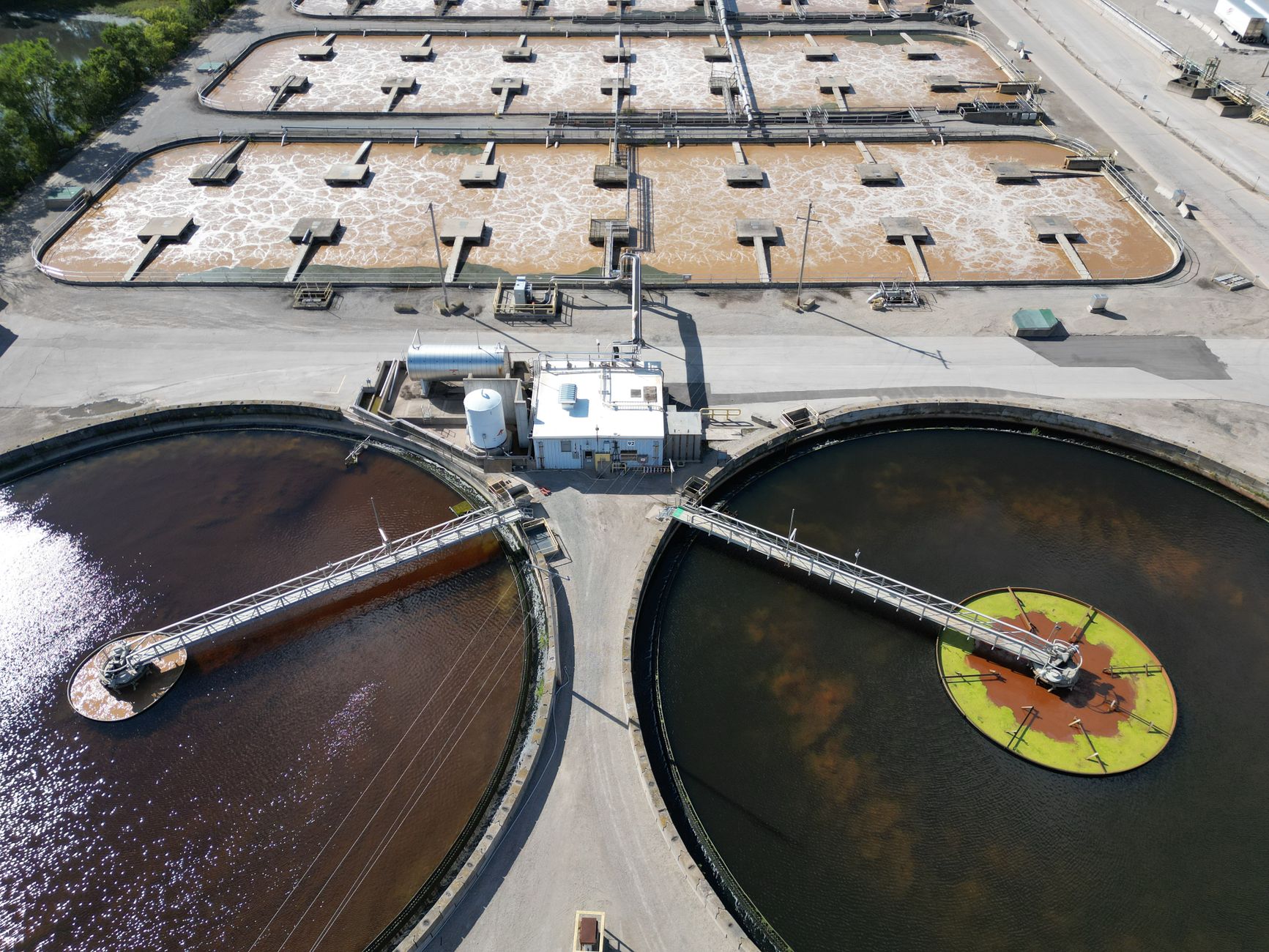
Wastewater Extraction Systems: Proven Solution to Downtime
wastewater extraction systems are now more reliable thanks to a new ceramic spacer that eliminates recurring downtime. This innovation promises to enhance operational efficiency in wastewater management.
Understanding Wastewater Extraction Systems
Wastewater extraction systems play a crucial role in maintaining the efficiency of various industrial processes. These systems are designed to remove wastewater from production areas, ensuring that operations continue smoothly without interruptions. Understanding how these systems work is essential for industries that rely on consistent performance.
Typically, wastewater extraction systems consist of several key components, including:
- Pumps: Responsible for moving wastewater from collection points.
- Filters: Designed to separate solids from liquids, preventing clogs.
- Piping: Transports wastewater to treatment facilities or disposal sites.
- Control systems: Monitor and regulate the flow and function of the entire system.
Recent innovations, such as ceramic spacers, have significantly improved the reliability of wastewater extraction systems. These advancements help to eliminate recurring downtime, ensuring that industries can operate more efficiently and reduce maintenance costs. Understanding these systems is vital for optimizing performance and enhancing productivity.
The Role of Ceramic Spacers
Ceramic spacers play a crucial role in enhancing the efficiency of wastewater extraction systems. By providing a stable and durable interface, these spacers help to minimize wear and tear on the components of the system. This reduction in friction not only extends the lifespan of the equipment but also significantly decreases the likelihood of unexpected downtime.
One of the primary benefits of utilizing ceramic spacers is their resistance to corrosion and abrasion. Unlike traditional materials, ceramics can withstand harsh chemicals and heavy usage without degrading, ensuring consistent performance over time. This reliability is vital for facilities that depend on continuous operation.
Furthermore, ceramic spacers contribute to improved fluid dynamics within the system. Their design allows for optimal flow rates, which can enhance overall system performance and efficiency. With less frequent maintenance required due to the durability of these spacers, operators can focus on maximizing productivity rather than dealing with unplanned outages.
- Enhanced durability against wear and tear
- Corrosion resistance for long-lasting use
- Improved fluid dynamics for better efficiency
How Downtime Affects Operations
Downtime in industrial operations can have significant repercussions, affecting productivity, efficiency, and profitability. When systems such as wastewater extraction systems experience interruptions, the entire workflow is disrupted, leading to delays in production and increased operational costs.
There are several key factors that contribute to the negative impact of downtime:
- Loss of Revenue: Every moment spent in downtime can translate into lost revenue, particularly in facilities that rely on continuous processes.
- Increased Labor Costs: Maintenance personnel and operators may need to be diverted from other tasks, resulting in inefficient use of labor resources.
- Equipment Damage: Prolonged downtime can lead to further issues with equipment, potentially resulting in costly repairs or replacements.
- Customer Satisfaction: Delays in production can affect delivery times, ultimately impacting customer trust and satisfaction.
Addressing these challenges is crucial, and implementing reliable wastewater extraction systems can play a vital role in minimizing downtime.
Benefits of Using Ceramic Spacers
Implementing ceramic spacers in wastewater extraction systems presents numerous benefits that significantly enhance operational efficiency. One of the primary advantages is their remarkable durability. Unlike traditional materials, ceramic spacers resist wear and tear, reducing the frequency of replacements and maintenance costs.
Additionally, these spacers provide excellent thermal stability, ensuring consistent performance under varying temperature conditions. This reliability minimizes the risk of system failures, which can lead to costly downtimes.
Another key benefit is the improved flow dynamics achieved by using ceramic spacers. Their precise design enables smoother fluid movement, enhancing the overall efficiency of wastewater extraction systems. This optimization not only boosts performance but also contributes to energy savings.
Furthermore, ceramic materials are resistant to chemical corrosion, making them ideal for harsh wastewater environments. As a result, facilities can operate more safely and sustainably, leading to a significant reduction in operational interruptions and an increase in productivity.
Case Studies on Downtime Reduction
Recent case studies highlight the effectiveness of wastewater extraction systems in reducing downtime across various industries. One notable example involves a municipal wastewater treatment facility that faced frequent interruptions due to equipment failures. By integrating a state-of-the-art wastewater extraction system with advanced ceramic spacers, the facility reported a remarkable 50% reduction in downtime.
Another case study from a manufacturing plant revealed similar results. Prior to the implementation of a new wastewater extraction system, the plant experienced regular shutdowns that adversely affected production schedules. After the upgrade, the downtime was slashed by 40%, leading to increased efficiency and significant cost savings.
These examples illustrate the critical role of wastewater extraction systems in enhancing operational reliability. The use of ceramic spacers has proven to be a game changer, allowing facilities to maintain smooth operations while minimizing unexpected interruptions. As industries continue to face the challenges of downtime, the adoption of these advanced systems is becoming increasingly essential.
Future of Wastewater Management Technology
The future of wastewater management technology looks promising, with ongoing advancements aimed at enhancing efficiency and reducing operational interruptions. As industries increasingly recognize the importance of reliable wastewater extraction systems, innovative solutions are being developed to address common challenges.
Emerging technologies are now focusing on:
- Smart Sensors: These devices monitor system performance in real-time, allowing for proactive maintenance and minimizing downtime.
- AI and Machine Learning: By analyzing data patterns, AI can predict failures before they occur, optimizing the operation of wastewater extraction systems.
- Advanced Materials: The introduction of durable materials, such as ceramics, enhances the longevity and reliability of components, further reducing the risk of breakdowns.
As these technologies evolve, they promise to create more resilient wastewater extraction systems that not only improve operational efficiency but also contribute to environmental sustainability. The integration of these innovations will play a crucial role in shaping the future landscape of wastewater management.
Expert Opinions on New Innovations
Experts in the field of wastewater management are increasingly emphasizing the importance of innovation in wastewater extraction systems. According to Dr. Emily Carter, a leading researcher in environmental engineering, “The integration of advanced materials, like ceramic spacers, is revolutionizing how we approach wastewater extraction. These innovations not only enhance efficiency but also significantly reduce downtime.”
John Smith, a wastewater treatment facility manager, adds, “We’ve experienced firsthand the benefits of modern wastewater extraction systems. The introduction of ceramic spacers has allowed us to minimize maintenance interruptions, which ultimately leads to better operational continuity.”
Furthermore, a recent study highlighted by the Environmental Protection Agency indicates that facilities utilizing these advanced extraction systems report a 30% decrease in unscheduled downtime. This statistic underscores the need for ongoing investment in technology that supports sustainable wastewater management practices.
As the industry evolves, the consensus remains clear: embracing new innovations is vital for optimizing wastewater extraction systems and ensuring reliable operations.
Conclusion: Improving System Reliability
In conclusion, improving system reliability is crucial for the efficiency of wastewater extraction systems. As industries strive to enhance productivity, minimizing downtime emerges as a key objective. The integration of innovative solutions, such as ceramic spacers, has demonstrated significant potential in achieving this goal.
By effectively addressing common issues that lead to operational interruptions, these advanced materials can prolong the life of wastewater extraction systems and reduce maintenance costs. Furthermore, the case studies highlighted earlier reveal a strong correlation between the use of ceramic spacers and decreased downtime.
As the industry continues to evolve, adopting cutting-edge technologies will be essential in navigating the challenges of wastewater management. Organizations that prioritize the reliability of their systems will not only benefit from enhanced operational performance but also contribute to sustainable practices.
Ultimately, investing in reliable wastewater extraction systems will yield long-term benefits, driving both efficiency and environmental responsibility.
Photo by Giant Asparagus on Pexels
Where this came from
Related stories