

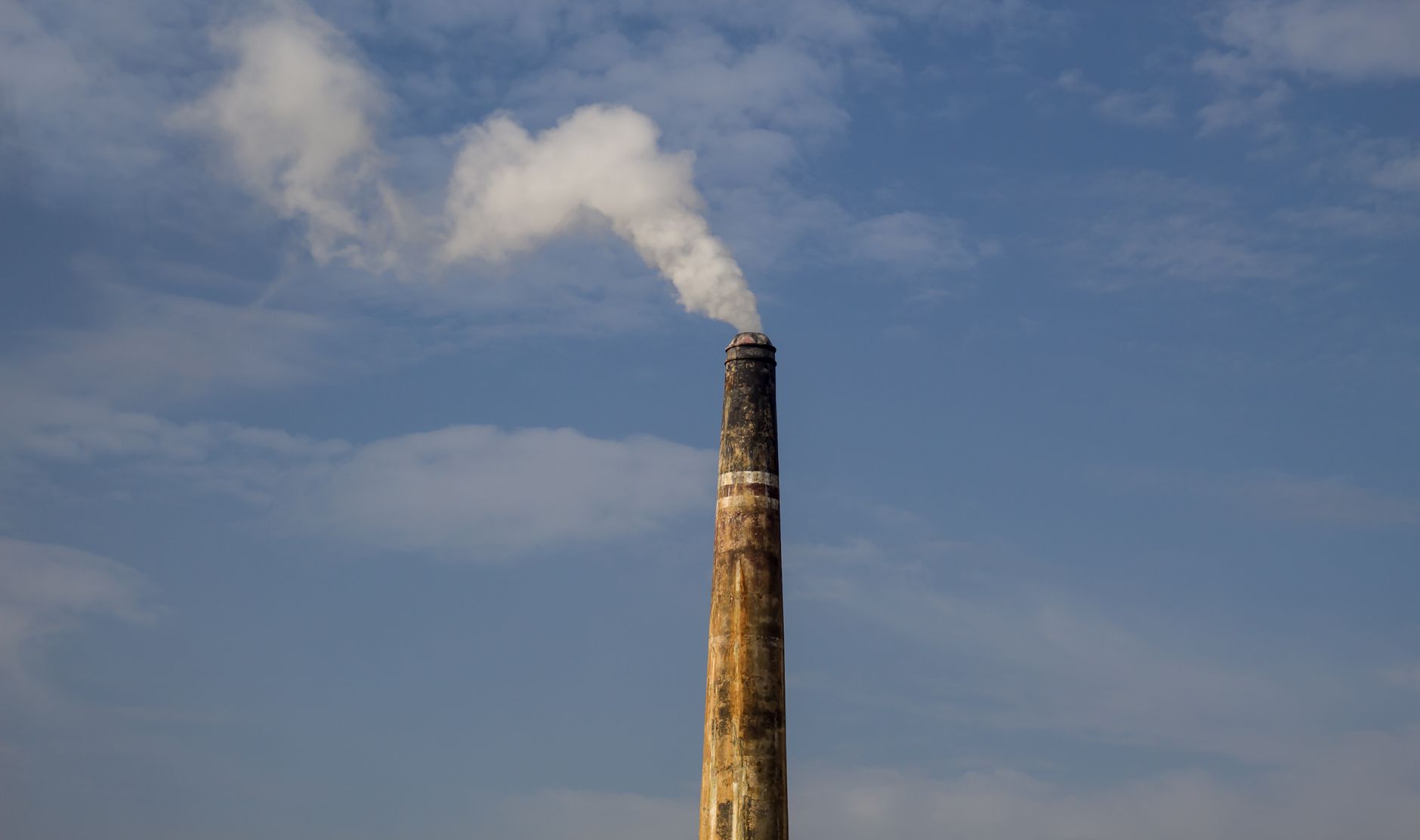
Pollution hotspots in UP: Are Smaller Towns the Worst Culprits?
Pollution hotspots in UP are becoming a growing concern, particularly in smaller towns like Kanpur. This article explores the alarming rise in pollution levels and its implications for residents.
Introduction to Pollution in UP
Uttar Pradesh (UP), known for its cultural heritage and agricultural productivity, is increasingly facing severe environmental challenges. Among these, pollution hotspots in UP have become a growing concern, particularly in smaller towns that are often overlooked in the broader discourse on air quality and environmental degradation.
In recent years, urbanization and industrialization have accelerated in these smaller locales, leading to alarming levels of air and water pollution. While cities like Lucknow and Kanpur have historically been recognized for their pollution levels, new studies suggest that towns such as Varanasi, Allahabad, and Meerut are emerging as critical pollution hotspots.
Several factors contribute to this troubling trend:
- Industrial Emissions: Many smaller towns are home to unregulated industries that release harmful pollutants into the air and water.
- Vehicular Pollution: The rising number of vehicles, coupled with poor infrastructure, exacerbates air quality issues.
- Waste Management: Inefficient waste disposal methods lead to increased soil and water contamination.
The impact of these pollution hotspots in UP extends beyond environmental concerns, affecting public health and quality of life for residents. As awareness grows, it becomes crucial to address these issues and implement effective solutions to safeguard both the environment and community health.
The Rise of Smaller Towns
The recent trend of urbanization in Uttar Pradesh (UP) is leading to a surge in pollution levels, particularly in smaller towns which are becoming significant pollution hotspots in UP. As industrial activities expand and populations grow, these lesser-known areas are grappling with environmental challenges previously associated mainly with larger cities.
Several factors contribute to this alarming rise in pollution:
- Industrialization: Many smaller towns are attracting industries due to lax regulations and lower operational costs. This influx increases the discharge of pollutants into the air and water.
- Vehicle Emissions: With more people acquiring vehicles, the increase in traffic contributes significantly to air quality degradation, elevating the risk of respiratory diseases among residents.
- Waste Management Issues: Inadequate waste disposal systems in these towns often lead to open burning of garbage, releasing harmful toxins into the atmosphere.
- Construction Activities: Rapid urban development without proper planning results in dust and particulate matter pollution, further exacerbating health risks.
As environmental concerns rise, it is imperative for local governments and communities to address these issues proactively. Without immediate action, the situation could worsen, turning these smaller towns into some of the worst pollution hotspots in UP. Awareness and intervention are key to preventing further environmental degradation.
Comparing Kanpur and Lucknow
When examining pollution hotspots in UP, it is essential to compare major cities like Kanpur and Lucknow with the rising concerns in smaller towns. Kanpur, often regarded as one of the most polluted cities in the world, grapples with severe air quality issues primarily due to industrial emissions and vehicular pollution. The city’s historical reliance on tanneries has left a lasting environmental impact, making it a significant contributor to the region’s pollution levels.
On the other hand, Lucknow, the state capital, has also faced its share of pollution challenges, but its situation is somewhat less dire than that of Kanpur. The urbanization and increased construction activities in Lucknow have led to rising particulate matter levels, yet it has managed to maintain a slightly better air quality index compared to its industrial counterpart.
However, the emerging trend is that smaller towns in UP are becoming alarming pollution hotspots. With rapid development and inadequate infrastructure, these towns are experiencing pollution levels that can rival those of their larger neighbors. The lack of regulatory enforcement and awareness exacerbates the situation, leading to a critical need for intervention.
As discussions about pollution hotspots in UP continue, it is vital to focus not only on the well-known cities but also on these smaller towns that may soon become significant contributors to the state’s environmental crisis.
Government Response to Pollution
The government response to pollution hotspots in UP has been a subject of increasing scrutiny, particularly as smaller towns emerge as significant contributors to environmental degradation. Authorities are recognizing the urgent need to address pollution in these areas, where industrial activities and inadequate waste management practices often lead to harmful air and water quality.
In response to the rising pollution levels, the Uttar Pradesh government has initiated several measures aimed at curbing emissions and reducing waste. Some of the key actions include:
- Implementation of stricter regulations: The government has introduced more stringent guidelines for industries, focusing on emissions control and waste disposal.
- Monitoring air quality: Increased efforts are being made to monitor air quality in smaller towns, with the establishment of new monitoring stations.
- Public awareness campaigns: Initiatives aimed at educating residents about the impacts of pollution and promoting sustainable practices are being rolled out.
- Incentives for green technologies: The government is encouraging businesses to adopt cleaner technologies through financial incentives and subsidies.
Despite these efforts, challenges remain. Many smaller towns in UP still grapple with outdated infrastructure and lack the resources needed for effective pollution control. As pollution hotspots in UP continue to evolve, a collaborative approach involving local communities, industries, and the government will be crucial to ensure a healthier environment for all residents.
Community Initiatives for Cleaner Air
In recent years, several smaller towns in Uttar Pradesh have emerged as significant pollution hotspots, prompting community-driven initiatives aimed at combating air quality deterioration. Local residents are increasingly aware of the dire effects of pollution and are taking proactive measures to create a cleaner environment.
One of the most notable initiatives is the formation of citizen-led groups that organize regular clean-up drives. These groups mobilize volunteers to pick up litter in public spaces and educate their communities about the importance of reducing waste. Moreover, workshops focusing on sustainable practices such as composting and recycling have gained traction, empowering residents to minimize their environmental footprint.
Another initiative involves schools incorporating environmental education into their curriculums. Students are encouraged to participate in tree-planting drives and learn about air pollution’s impact on health. This not only fosters a sense of responsibility among young citizens but also encourages families to engage in eco-friendly practices at home.
Local governments have begun collaborating with these community efforts, providing support through funding and resources. As smaller towns in UP become recognized as pollution hotspots, the combined efforts of residents and local authorities may lead to significant improvements in air quality. Ultimately, it is the collective action of communities that will determine the effectiveness of these initiatives in combating pollution.
Recent studies have revealed that pollution hotspots in UP are not limited to major cities, as smaller towns are emerging as significant contributors. This shift in focus highlights the urgent need to address the pollution hotspots in UP to improve air quality across the region.
Photo by Istiaque Hossain on Pexels
References
Related stories
