

Are Nuclear Power Promises the Worst Energy Solution?
nuclear power promises are being challenged by a new report. This investigation reveals the empty assurances surrounding nuclear energy and data centres, calling into question their viability as sustainable solutions.
Understanding Nuclear Power
Nuclear power, often heralded for its potential to provide a stable and low-carbon energy source, has spurred numerous discussions about its viability. Understanding nuclear power requires a look into its promises and pitfalls. Proponents argue that it plays a crucial role in reducing greenhouse gas emissions and meeting energy demands. However, critics highlight the long-term challenges associated with nuclear waste and the high costs of building and maintaining nuclear facilities.
As highlighted in a recent report, the actual outcomes of nuclear power promises may not align with expectations. Key points include:
- High initial construction costs
- Long lead times for new plants
- Potential safety concerns
- Environmental impact of waste disposal
These factors contribute to ongoing debates about whether nuclear power is truly the solution it claims to be.
The Role of Data Centres
As the energy landscape evolves, data centres play a critical role in the debate over nuclear power promises. These facilities consume vast amounts of electricity, raising questions about their sustainability and energy sources.
According to recent reports, data centres are increasingly reliant on nuclear power, touted as a clean energy solution. However, this reliance has triggered concerns over the actual benefits of nuclear energy and its capacity to deliver on promises made to both consumers and investors.
Key points to consider include:
- The environmental impact of nuclear waste management.
- The high costs associated with building and maintaining nuclear facilities.
- The long timelines involved in bringing nuclear power projects online.
As discussions continue, it remains essential to evaluate whether nuclear power is indeed the solution it claims to be for powering the future of data centres.
Examining Energy Sustainability
As the world grapples with energy sustainability, the debate surrounding nuclear power promises intensifies. Many advocate for nuclear energy as a low-carbon alternative, yet concerns persist regarding its long-term viability and safety. A recent report highlights the discrepancies between the promises made by nuclear proponents and the reality of energy production.
Key factors influencing the discussion include:
- Waste Management: The long-term storage of nuclear waste remains unresolved, posing environmental risks.
- High Costs: The financial burden of building and maintaining nuclear facilities can be prohibitive.
- Public Perception: Incidents like Fukushima have led to increased public skepticism.
These issues raise critical questions about whether nuclear power can truly deliver on its promises in the quest for sustainable energy solutions.
Empty Promises in Energy
As discussions surrounding energy sources continue, the concept of nuclear power promises has come under scrutiny. Critics argue that the potential benefits of nuclear energy often overshadow the realities, leading to what some describe as empty promises in energy. Reports indicate that, despite assurances of safety and sustainability, the long-term management of nuclear waste remains unresolved.
Furthermore, the financial burden associated with nuclear power plants raises questions about their viability. Key points include:
- High initial investment costs
- Prolonged construction timelines
- Environmental concerns related to waste disposal
As the energy landscape evolves, it is crucial to critically evaluate whether these promises are indeed delivering the solutions needed for a sustainable future.
Environmental Concerns with Nuclear
As the debate surrounding nuclear power promises intensifies, environmental concerns continue to mount. Critics argue that while nuclear energy is marketed as a clean alternative, the potential risks cannot be overlooked.
Key issues include:
- Radioactive Waste: The long-term storage and management of nuclear waste remain unsolved challenges, posing a threat to ecosystems.
- Water Usage: Nuclear plants consume vast amounts of water, affecting local water supplies and aquatic life.
- Accident Risks: The potential for catastrophic failures, although rare, raises significant safety concerns for nearby communities.
In light of these factors, many question whether the promises of nuclear power truly outweigh the environmental costs associated with its implementation.
The Future of Energy Production
The future of energy production is increasingly under scrutiny as new reports highlight the empty promises associated with nuclear power. As nations seek sustainable solutions, the reliance on nuclear technology raises significant questions.
While nuclear power promises a cleaner alternative to fossil fuels, the reality of its implementation often falls short. Critics argue that the long-term environmental impacts and the unresolved issues of waste disposal cannot be overlooked.
Furthermore, the infrastructure required to support nuclear facilities poses a challenge, both economically and politically.
As society grapples with the demand for reliable energy, it is essential to evaluate whether nuclear power promises genuinely represent a viable path forward or if they merely mask deeper issues within the energy sector.
- Cost of nuclear energy production
- Safety concerns and disaster preparedness
- Long-term waste management solutions
Public Perception of Nuclear Power
Public perception of nuclear power remains a complex and often polarized issue. While some view it as a vital component of a sustainable energy future, others are more skeptical, questioning the nuclear power promises made by proponents. Concerns about safety, waste disposal, and environmental impact play significant roles in shaping public opinion.
Many citizens express fears rooted in past nuclear disasters, which continue to influence their trust in this energy source. Additionally, misinformation and lack of transparency surrounding nuclear energy contribute to the prevailing skepticism.
Despite these challenges, advocates argue that with advancements in technology and safety measures, nuclear power can be a reliable and clean energy solution. Ongoing public education and engagement efforts are essential to bridge the gap between perception and reality.
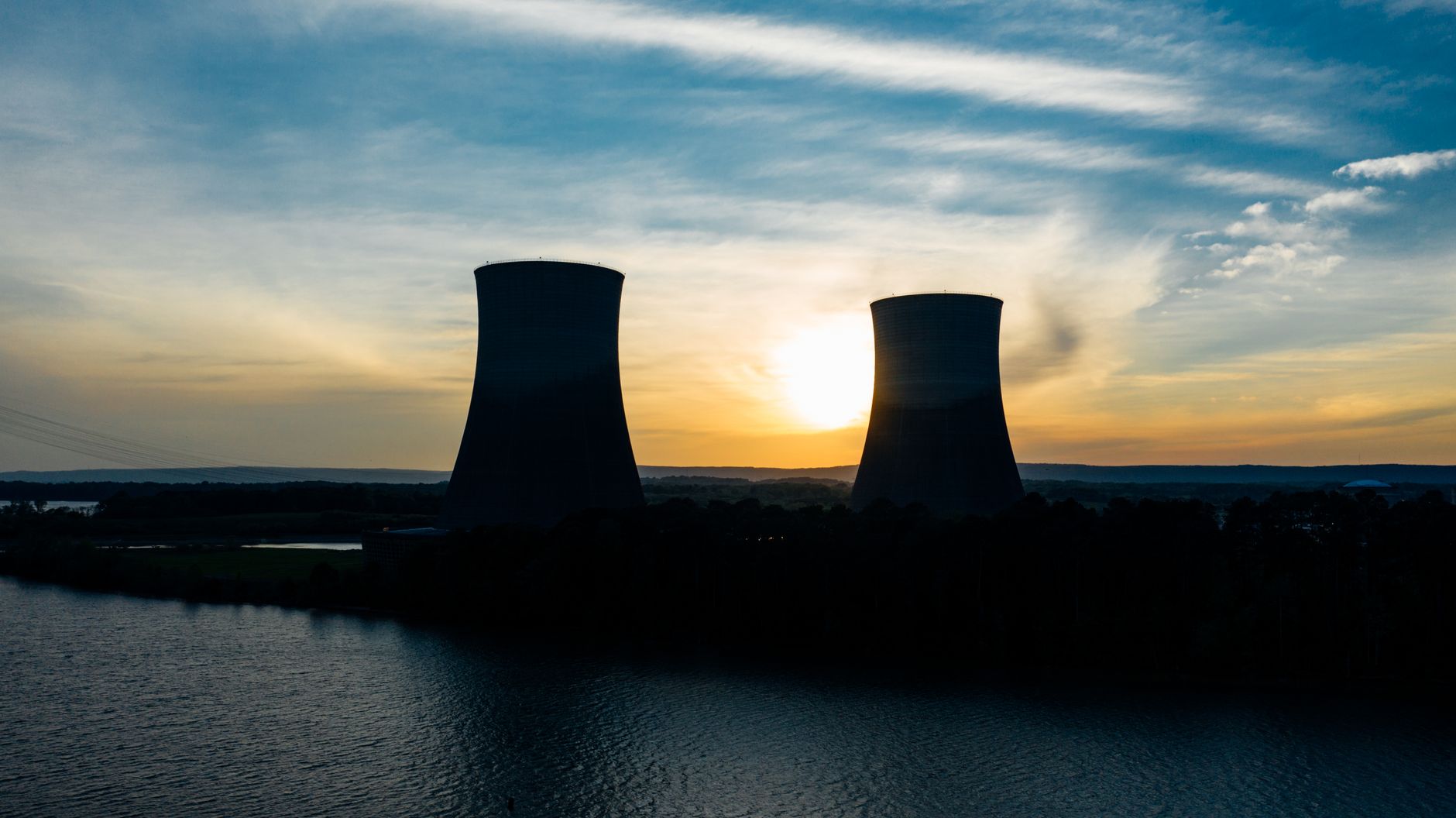
Photo by K on Pexels
References
Australian Conservation Foundation
Indian stocks buying spree: Proven inflows of Rs 12,563 crore · Veterans Day losses: The Real Impact of New Tragedies · PFAS-free sealing material: The Best Choice for Safety