

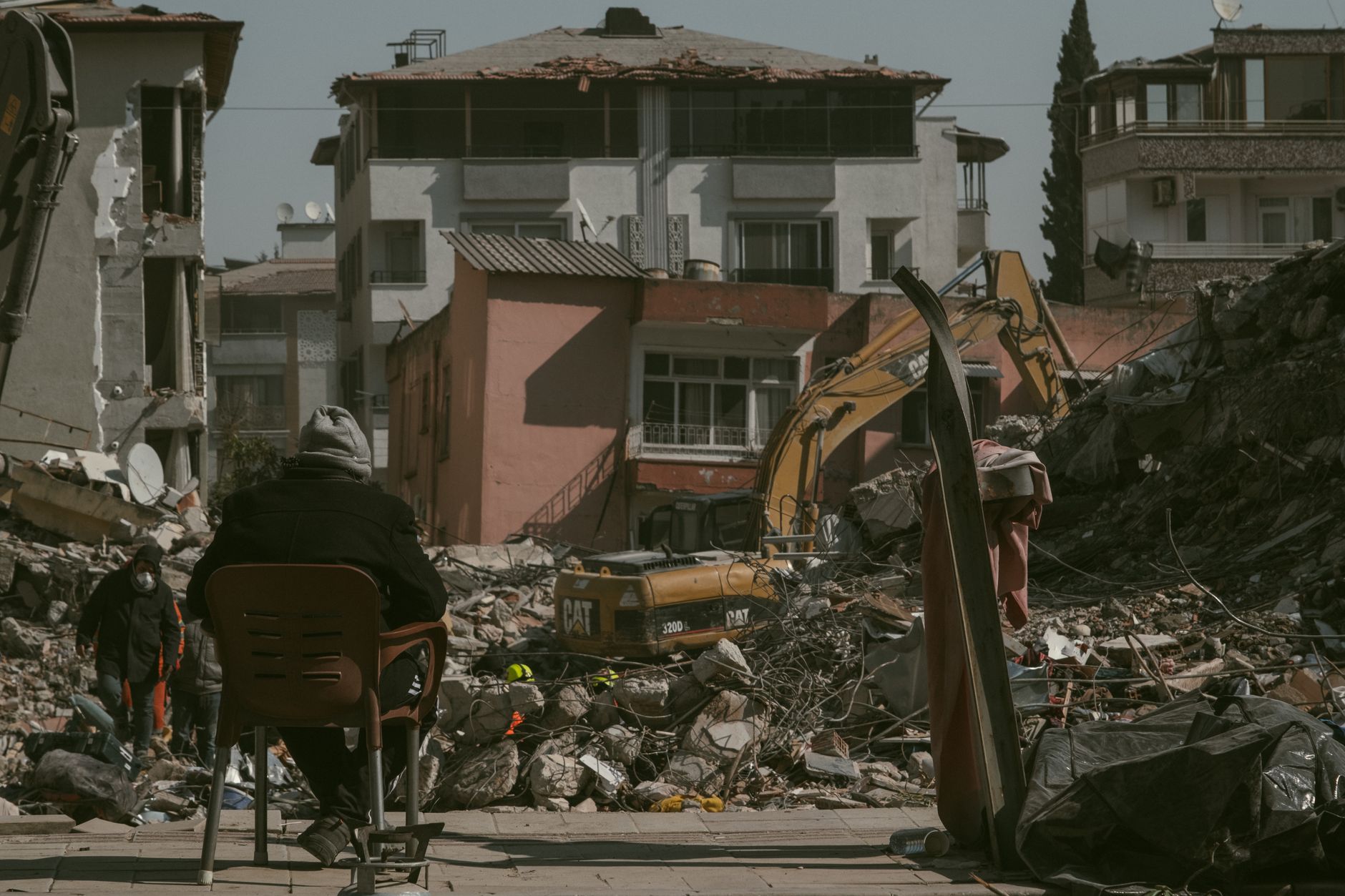
Magnitude 6.1 Earthquake: The Worst Impact on Tokyo Coast
The magnitude 6.1 earthquake has rattled the Japanese coast near Tokyo, raising alarms and concerns among residents. This seismic event has led to reports of damage and disruption in the area.
What Happened During the Earthquake?
On the morning of October 15, a strong magnitude 6.1 earthquake struck off the coast of Japan, near Tokyo, causing significant alarm among residents. The tremors were felt across the city, leading to widespread panic as people rushed to evacuate buildings and seek safety.
Emergency services were immediately deployed to assess the damage and ensure public safety. Although there were no initial reports of severe structural damage, several buildings experienced minor cracks, and some transportation delays occurred as trains were temporarily halted for safety checks.
Local authorities urged citizens to remain calm and prepared for aftershocks, which are common following such seismic events. The government activated its emergency response plans and began distributing information on safety protocols.
In addition to the physical impact, the emotional toll on residents was evident as many expressed concerns over the potential for future earthquakes. The incident served as a stark reminder of Japan’s vulnerability to seismic activity.
As the situation continues to develop, officials are closely monitoring the area for any further seismic activity.
Impact on Tokyo’s Infrastructure
The recent magnitude 6.1 earthquake has left a significant mark on Tokyo’s infrastructure, raising concerns among residents and officials alike. The tremor, which struck near the coast, caused extensive damage to various urban structures and services.
Reports indicate that several buildings suffered cracks and structural weaknesses, prompting safety inspections across the city. Key transportation systems, including railways and subways, experienced temporary disruptions, affecting thousands of commuters during peak hours.
Emergency responders worked diligently to assess and mitigate the damage. The following areas were notably impacted:
- Highways: Several major routes were closed due to debris and landslides.
- Utilities: Power outages were reported in numerous districts, causing inconvenience to residents.
- Public services: Hospitals and schools initiated emergency protocols to ensure safety.
The magnitude 6.1 earthquake has sparked a discussion on the need for improved building codes and preparedness strategies in the face of natural disasters.
Safety Measures for Residents
In the wake of the magnitude 6.1 earthquake that struck near Tokyo, officials are urging residents to take essential safety measures to ensure their well-being. Preparedness is key in minimizing risks associated with seismic activities.
Residents are advised to:
- Secure Heavy Objects: Ensure that heavy furniture, appliances, and other items are anchored to walls to prevent tipping during tremors.
- Create an Emergency Kit: Prepare a kit that includes water, non-perishable food, a flashlight, batteries, and a first aid kit.
- Establish a Communication Plan: Families should have a plan in place for how to communicate and where to meet in case of an emergency.
- Review Building Safety: Residents living in high-rise buildings should identify safe spots inside their homes and know the emergency exits.
- Stay Informed: Keep updated with local news and alerts regarding aftershocks or further safety advisories.
Taking these precautions can help save lives and reduce the impact of future seismic events.
Future Earthquake Preparedness
In the wake of the recent magnitude 6.1 earthquake that struck near Tokyo, experts emphasize the importance of future earthquake preparedness. As seismic activity continues to pose a threat to urban areas, particularly along the coast, residents and local authorities must take proactive measures to enhance safety.
Preparedness strategies recommended by specialists include:
- Education and Training: Communities should participate in regular training drills to ensure that residents know how to react in the event of another earthquake.
- Infrastructure Evaluation: Ongoing assessments of buildings and bridges are crucial to identify vulnerabilities and implement necessary reinforcements.
- Emergency Kits: Households are encouraged to create and maintain emergency kits stocked with essential supplies, including food, water, and first aid items.
- Community Engagement: Local governments can foster awareness through workshops and informational sessions aimed at sharing preparedness tips.
By investing in these measures, Tokyo can better equip its residents to face potential future seismic events.
Photo by Doruk Aksel Anıl on Pexels
References
