

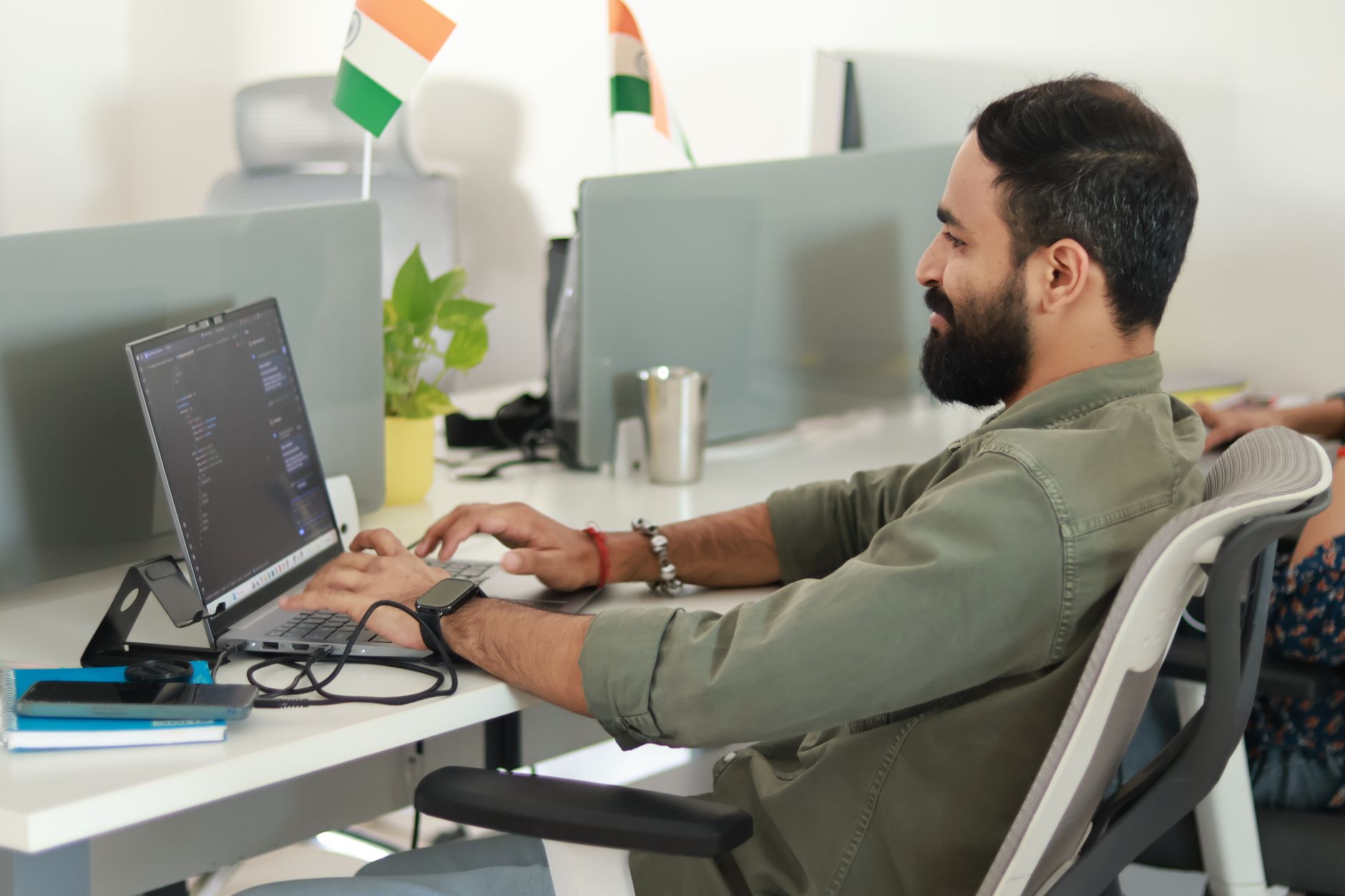
Indian Startup Developer: Am I Being Exploited or Smart?
Indian startup developer faces the dilemma of working late hours and handling multiple roles. He wonders if he is being exploited in this demanding environment.
The Reality of Startup Work
The world of Indian startup developers is often painted in hues of excitement and opportunity, but the reality can be starkly different. Many developers find themselves juggling multiple roles, leading to an overwhelming workload that raises questions about exploitation versus ambition.
As the demand for rapid development and innovative solutions grows, startups often lean on their developers to take on responsibilities that would traditionally be divided among several employees. A recent account from an Indian startup developer highlights this struggle, revealing that he feels he is doing the work of five people.
The pressure intensifies with late-night calls and urgent deadlines, forcing developers to sacrifice their personal time. This 2 AM work culture is becoming increasingly common, leaving many to wonder if they are being exploited or simply showing dedication to their craft.
While some thrive in this fast-paced environment, others are left questioning their choices. The allure of equity and the potential for growth can often cloud the harsh realities of startup life. As the line blurs between hard work and overwork, Indian startup developers must navigate these challenges carefully, weighing their passion against the risk of burnout.
Ultimately, the question remains: is this a path to success or a recipe for exhaustion?
Understanding Job Roles in Startups
In the fast-paced world of startups, job roles can often be ambiguous and fluid. For an Indian startup developer, understanding one’s responsibilities is crucial to navigating the complexities of the work environment. Many developers find themselves wearing multiple hats, taking on tasks that traditionally belong to different roles within a company.
Typical job roles in startups include:
- Software Developer: Responsible for writing and maintaining code, ensuring software functionality.
- Product Manager: Oversees product development, aligns teams on product vision and goals.
- Quality Assurance Tester: Tests products to identify bugs and ensure quality assurance.
- DevOps Engineer: Manages deployment and operations, ensuring smooth integration of development and IT.
- UX/UI Designer: Focuses on user experience and interface design to enhance user interaction.
While the startup culture promotes agility and collaboration, it can also lead to developers feeling overwhelmed. Many report handling responsibilities far beyond their official titles, leading to questions about work-life balance and job satisfaction. As the lines blur between roles, Indian startup developers must carefully assess their situations to determine whether they are being exploited or simply showcasing their versatility in a demanding environment.
Is Overworking Common in Startups?
In the fast-paced world of startups, the question of overworking has become increasingly pertinent. Many Indian startup developers find themselves in situations where they are expected to perform multiple roles, often leading to long hours and heightened stress levels. This phenomenon is not just an isolated case; it’s a common narrative echoed across the industry.
For many, the allure of working in a startup comes with the promise of innovation and growth. However, this often translates into unrealistic expectations. Developers report that they are frequently tasked with responsibilities that extend far beyond their original job descriptions.
- Long working hours are the norm, with many employees clocking in late-night calls and weekend projects.
- Job roles often overlap, leading to situations where one person may be juggling the responsibilities typically handled by several individuals.
- The pressure to deliver quickly can lead to burnout, making it difficult for developers to maintain a healthy work-life balance.
While some may view this intense environment as a badge of honor or a testament to their dedication, it raises the question: Are Indian startup developers being exploited, or are they simply adapting to the demands of a dynamic industry? As the line between hard work and overworking blurs, it’s crucial for professionals to evaluate their circumstances and prioritize their well-being.
Signs of Job Exploitation
As the landscape of Indian startups continues to evolve, many developers are beginning to question whether they are being exploited or simply being smart in their approach to work. Here are some signs that may indicate job exploitation:
- Excessive Workload: If an Indian startup developer finds themselves doing the work of multiple individuals, this could be a clear indication of exploitation. Tasks that typically require several team members should not fall on one person’s shoulders.
- Unreasonable Hours: Regularly receiving work calls at 2 AM is not a norm; it often points to a lack of respect for personal time and a disregard for work-life balance.
- No Clear Job Description: If roles and responsibilities are ambiguous or constantly changing without adequate compensation, it may signal that the startup is taking advantage of its workforce.
- Minimal Financial Compensation: Being underpaid for the level of effort and output expected can be a significant red flag. If the remuneration does not align with the industry standards, it is a cause for concern.
- High Turnover Rate: A startup with a revolving door of employees may be indicative of a toxic work environment, suggesting that many developers are not satisfied with their roles.
Recognizing these signs is crucial for developers to assess their work environment and advocate for their rights and well-being.
Balancing Work and Life
For many Indian startup developers, striking the right balance between work and life can feel like an uphill battle. The fast-paced environment of startups often demands long hours, leaving little time for personal pursuits or relaxation. As one developer noted, juggling multiple roles can lead to feelings of exhaustion and burnout, especially when tasks typically assigned to five people are condensed into one person’s responsibilities.
In this relentless cycle, it can be challenging to set boundaries. Late-night work calls, often scheduled for 2 AM, disrupt not only sleep patterns but also personal relationships. This raises the question: how much is too much? While the passion for innovation and success drives many developers, the risk of exploitation looms large.
It’s crucial for Indian startup developers to recognize the signs of overwork and to advocate for healthier work practices. Here are some strategies to help maintain a better work-life balance:
- Set clear boundaries: Define your work hours and communicate them with your team.
- Prioritize self-care: Take regular breaks and make time for personal interests.
- Seek support: Discuss workload concerns with management or peers.
- Consider the long-term: Assess if the current environment aligns with your career goals.
Ultimately, finding a balance is essential for sustainable success in the demanding world of startups.
Advice for Startup Employees
For those navigating the challenging landscape of startup work, it’s crucial to adopt a proactive approach to ensure fair treatment and job satisfaction. Here are some insightful tips for startup employees, especially for the Indian startup developer facing overwhelming demands:
- Set Clear Boundaries: Communicate your working hours to your team. It’s essential to establish a schedule that allows for personal time and prevents burnout.
- Regular Check-ins: Schedule frequent discussions with your manager to assess workload and expectations. This can help mitigate feelings of being overwhelmed or exploited.
- Document Contributions: Keep a detailed record of your tasks and achievements. This documentation can be beneficial during performance reviews and negotiations for raises or promotions.
- Seek Support: Connect with colleagues to share experiences and strategies. A support network can provide valuable insights into managing workload and stress.
- Know Your Rights: Familiarize yourself with labor laws and company policies regarding work hours, overtime, and compensation. Being informed empowers you to advocate for yourself effectively.
Balancing the demands of startup life with personal well-being is paramount. By implementing these strategies, an Indian startup developer can navigate challenges while ensuring they are being treated fairly and not exploited.
The Future of Work in India
The landscape of work in India is rapidly evolving, especially for the Indian startup developer. As startups continue to flourish, they are reshaping traditional employment norms and expectations.
With the rise of remote work and flexible schedules, employees are experiencing both opportunities and challenges. Many Indian startup developers find themselves navigating a work culture that demands high levels of commitment and adaptability. This shift is prompting a re-evaluation of what it means to work in a startup environment.
Key trends shaping the future of work in India include:
- Increased Remote Work: The pandemic has accelerated the acceptance of remote work, allowing developers to work from anywhere but often blurring the lines between personal and professional life.
- Focus on Upskilling: As technology advances, there’s an emphasis on continuous learning and upskilling, making it essential for Indian startup developers to keep pace with industry changes.
- Collaborative Work Culture: Startups often promote a collaborative environment, fostering innovation but sometimes leading to an overwhelming workload for employees.
For many, this blend of opportunities and challenges raises questions about job security and work-life balance. As the Indian startup ecosystem matures, it will be crucial for developers to advocate for their rights while embracing the dynamic work environment.
As an Indian startup developer, it’s crucial to evaluate whether the opportunities presented are genuinely beneficial or simply exploitative. Many Indian startup developers find themselves navigating a landscape where their skills are in high demand but often underappreciated.
Photo by Varun Bhatheja on Pexels
Sources
Related stories