

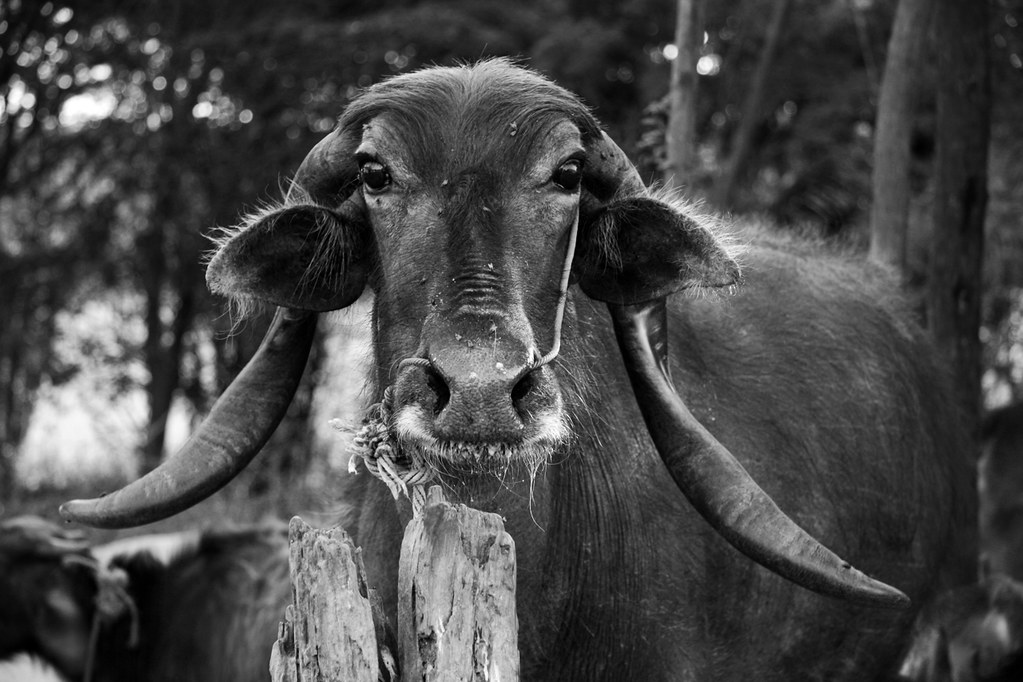
India milk output: Best rise of 69.41% to 247.87 million tonnes
India milk output has seen a remarkable increase of 69.41%, reaching a total of 247.87 million tonnes. This growth highlights the strength of the country’s dairy industry.
Overview of India’s Dairy Sector
India’s dairy sector has witnessed remarkable growth, with milk output reaching an impressive 247.87 million tonnes, marking a significant rise of 69.41%. This surge reflects the country’s commitment to enhancing its dairy production capabilities.
The following factors contribute to the growth of India’s milk output:
- Increased investment: Government initiatives and private investments in dairy infrastructure have played a crucial role.
- Improved breeding techniques: Advances in veterinary care and breeding practices have led to healthier and more productive cattle.
- Rising domestic consumption: The growing demand for dairy products among India’s vast population has spurred production efforts.
- Supportive policies: Subsidies and support from the government have encouraged farmers to increase their milk yield.
The dairy industry not only contributes significantly to the economy but also provides livelihoods for millions of farmers across the country. As India continues to focus on sustainable practices and technology adoption, the future of its dairy sector looks promising. The remarkable rise in India milk output signals a positive trend, positioning the nation as one of the leading milk producers globally.
Significance of Milk Production
The significance of milk production in India cannot be overstated, as it plays a vital role in the economy and nutrition of millions. With the recent rise in India milk output, which increased by an impressive 69.41% to reach 247.87 million tonnes, the dairy sector has emerged as a cornerstone of agricultural growth.
Milk serves as a primary source of nutrition for many households, providing essential vitamins and minerals. In rural areas, dairy farming often represents a crucial livelihood for farmers, aiding in poverty alleviation and rural development.
Moreover, the dairy industry contributes significantly to the national economy. It creates numerous job opportunities in production, processing, and distribution. The exponential growth in milk output showcases the advancements in veterinary care, animal husbandry, and feed management, enabling farmers to enhance productivity and sustainability.
Furthermore, this growth has implications for food security, as increased milk availability can help meet the rising demand for dairy products among India’s expanding population. As the nation continues to prioritize its dairy sector, the focus on improving milk production will remain essential for bolstering economic resilience and ensuring nutritional health.
Government’s Role in Dairy Growth
The government has played a pivotal role in the remarkable growth of India’s milk output, which has surged by 69.41% to reach 247.87 million tonnes. This increase can be attributed to several strategic initiatives aimed at enhancing the dairy sector.
Key measures include:
- Infrastructure Development: Investments in dairy infrastructure have improved processing capacity and efficiency, ensuring farmers can deliver fresh milk to markets.
- Cooperative Models: The promotion of dairy cooperatives has empowered local farmers, providing them with better prices and access to resources.
- Subsidies and Support: Financial support for feed, veterinary care, and technology adoption has significantly boosted production capabilities.
- Research and Development: The government’s focus on R&D has led to better breeding practices and disease management, resulting in healthier livestock and higher yields.
Furthermore, initiatives aimed at promoting awareness and education about dairy farming practices have equipped farmers with the knowledge to maximize their productivity. As a result of these combined efforts, the dairy sector has not only contributed to the economy but also strengthened food security, making India a prominent player in the global dairy market.
Impact on Farmers and Economy
The remarkable increase in India’s milk output has significant implications for both farmers and the economy. With a rise of 69.41% to a staggering 247.87 million tonnes, dairy farmers are poised to benefit from enhanced income opportunities.
Many farmers have reported improved livelihoods as a result of higher milk production. The increase in output has led to:
- Higher Prices: Increased demand for milk products has allowed farmers to sell their produce at better prices.
- Employment Opportunities: Growth in the dairy sector has created jobs in various related industries, from feed production to transportation.
- Access to Technology: Farmers are now more inclined to adopt modern practices and technologies to optimize milk production.
Moreover, the rise in milk output has bolstered India’s economy by:
- Boosting Rural Incomes: Increased earnings from dairy farming contribute significantly to rural economies.
- Enhancing Nutritional Security: Improved availability of milk supports better nutrition among the population.
Overall, the surge in India’s milk output not only uplifts farmers but also strengthens the broader economic landscape.
Challenges Facing the Dairy Industry
Despite the impressive rise in India’s milk output, several challenges continue to confront the dairy industry. These issues could impact future growth and sustainability.
- Supply Chain Inefficiencies: The dairy sector struggles with outdated supply chain practices, leading to wastage and increased costs. Improvements in logistics and infrastructure are essential to ensure the smooth distribution of milk.
- Quality Control: Ensuring the quality of milk remains a significant challenge. Contamination and adulteration can undermine consumer trust and pose health risks, necessitating stringent quality assurance measures.
- Climate Change: Changing weather patterns are affecting fodder availability and increasing heat stress on dairy animals. This can adversely impact milk production, making adaptation strategies crucial for farmers.
- Market Competition: The rise of private dairies and multinational corporations poses a competitive threat to small-scale farmers. This market shift could lead to reduced prices and lower income for many dairy producers.
- Access to Technology: Limited access to advanced farming techniques and technology hampers productivity. Educating farmers about modern practices is necessary for maximizing the potential of India’s milk output.
Future Projections for Milk Output
As India continues to experience a remarkable increase in milk output, projections for the future remain optimistic. The recent rise of 69.41% to reach 247.87 million tonnes indicates a robust and expanding dairy sector that is likely to grow further in the coming years.
Several factors will contribute to this positive trajectory:
- Technological Advancements: The integration of modern farming techniques and dairy technologies is expected to enhance productivity and efficiency.
- Increased Investment: Both government and private sector investments in dairy infrastructure are poised to support growth, ensuring better supply chains and quality control.
- Rising Domestic Demand: With the growing population and increased awareness of nutrition, the demand for milk and dairy products will likely continue to rise.
- Focus on Sustainability: Efforts to promote sustainable dairy farming practices will help meet production goals while addressing environmental concerns.
In conclusion, as the landscape of India’s dairy industry evolves, stakeholders must remain proactive in addressing challenges while capitalizing on opportunities. The future of India’s milk output looks promising, positioning the nation as a key player in the global dairy market.
Comparative Analysis with Previous Years
The recent report highlighting India’s milk output reveals a remarkable increase of 69.41%, reaching a total of 247.87 million tonnes. This surge signifies a significant improvement compared to previous years, showcasing the resilience and growth of the dairy sector.
In the past five years, India’s milk production has shown consistent growth, with the output gradually increasing:
- 2018-2019: 197.4 million tonnes
- 2019-2020: 204.6 million tonnes
- 2020-2021: 215.0 million tonnes
- 2021-2022: 231.0 million tonnes
- 2022-2023: 247.87 million tonnes
This upward trajectory indicates not only an increase in production but also the effectiveness of government initiatives and advancements in dairy farming practices. The comparative analysis shows that the growth rate has accelerated, especially in the last two years, reflecting better management practices, enhanced cattle breeding, and improved feed quality.
Such impressive growth in India’s milk output is expected to bolster the dairy industry further, providing opportunities for farmers and contributing positively to the economy.
Consumer Trends in Dairy Products
As India’s milk output continues to rise dramatically, consumer trends in dairy products are also shifting to reflect changing preferences and demands. With the overall production reaching 247.87 million tonnes, a remarkable increase of 69.41%, consumers are increasingly drawn to both traditional and innovative dairy products.
Among the notable trends, there has been a growing preference for organic and fortified dairy products. Health-conscious consumers are opting for milk that is free from artificial additives and enriched with vitamins and minerals. Additionally, the rise in disposable income has led to an increased demand for premium dairy items, including artisanal cheeses and flavored yogurts.
Another significant trend is the shift towards plant-based alternatives. Although dairy remains a staple in many households, products such as almond milk, soy milk, and oat milk are gaining popularity among those seeking lactose-free options or trying to reduce their environmental footprint.
Furthermore, the demand for convenience has led to an increase in ready-to-drink and packaged dairy products. Consumers are looking for products that fit their busy lifestyles while still providing the nutritional value associated with traditional dairy.
The significant increase in India milk output reflects the country’s ongoing efforts to enhance dairy farming practices. Experts believe that such growth in India milk output will contribute positively to the economy and food security.
By VinothChandar via Openverse
References
Related stories
Is the Stefanik family D.C. home sale the worst real estate deal? · Travel Weather Thanksgiving: Best Tips for a Smooth Journey · Latest news bulletin: Quick Updates on Today’s Top Stories
