

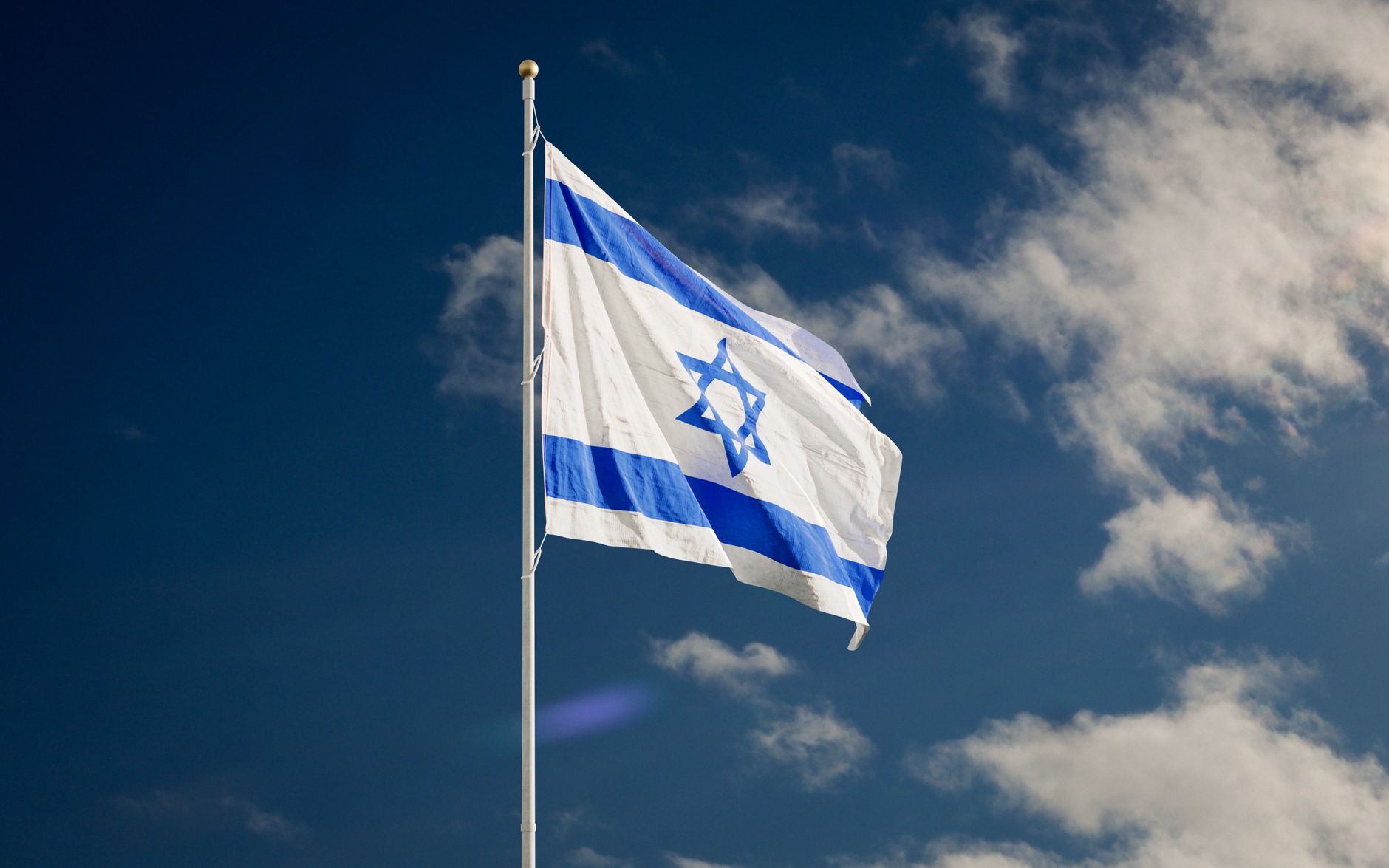
Eisenkot Israel government: What’s the Right Move for Peace?
Eisenkot Israel government formation is a significant development in Israeli politics. This move raises questions about the future direction of the country and its leadership.
Background on Eisenkot’s Political Career
Gadi Eisenkot, a retired general and former Chief of Staff of the Israel Defense Forces, has recently been tasked with forming a new government in Israel. His political career began when he transitioned from military service to public life, where he quickly gained a reputation for his strategic insight and leadership. Eisenkot is known for his pragmatic approach to security and defense issues, which has earned him respect across the political spectrum.
As he navigates the complexities of Israeli politics, many are curious about how his military background will influence his decisions regarding peace initiatives. Key aspects of his political agenda include:
- National Security: Prioritizing the safety of Israeli citizens while seeking diplomatic solutions.
- Regional Stability: Engaging with neighboring countries to foster cooperation.
- Domestic Unity: Bridging divides within the Israeli society for a stronger national front.
With Eisenkot at the helm, the Israel government may be on the brink of significant change.
Implications of the New Government Formation
The formation of the new Israeli government under Eisenkot carries significant implications for the region and its ongoing quest for peace. As a military leader turned politician, Eisenkot’s approach may differ from his predecessors, potentially reshaping diplomatic strategies.
Key considerations include:
- Security Policies: Eisenkot’s experience in the military could lead to a more robust security framework aimed at addressing both internal and external threats.
- Peace Negotiations: His government may prioritize renewed dialogue with Palestinian leaders, fostering a more collaborative environment.
- International Relations: Eisenkot’s leadership could influence Israel’s standing on the global stage, particularly with allies and neighboring countries.
- Domestic Stability: The new government must balance diverse political views within Israel, ensuring that all voices are heard in the pursuit of stability.
As Eisenkot navigates these challenges, the world watches closely to see if his tenure will usher in a new era of peace for Israel and its neighbors.
Public Reaction to Eisenkot’s Mandate
Since receiving the mandate to form the new Israeli government, public reaction to Eisenkot’s plans has been mixed. Many citizens are curious about how his military background will influence his approach to governance and peace initiatives.
Supporters of Eisenkot believe that his leadership could bring a fresh perspective to longstanding issues. They argue that his experience in the defense sector equips him with the skills necessary to navigate complex negotiations for peace. Key points from public opinion include:
- Expectations for Security: Many citizens hope that Eisenkot will prioritize national security while seeking diplomatic solutions.
- Desire for Dialogue: There is a strong call for open communication with neighboring countries, particularly in advocating for a two-state solution.
- Concerns about Polarization: Critics worry that Eisenkot’s military ties may alienate certain groups within Israel.
As the Eisenkot Israel government takes shape, the coming weeks will be crucial in determining whether public sentiment shifts positively or negatively.
Comparing Eisenkot to Previous Leaders
As Eisenkot assumes leadership in the Israel government, comparisons with previous leaders become inevitable. His military background sets him apart from many of his predecessors, who often lacked similar experience. While figures like Benjamin Netanyahu and Ehud Olmert focused on traditional political strategies, Eisenkot’s approach may lean more towards security and defense, given his role as former Chief of Staff of the IDF.
Past leaders have fluctuated between aggressive and conciliatory policies, often swayed by internal party pressures and international dynamics. In contrast, Eisenkot’s commitment to measured dialogue and strategic planning could signify a shift towards a more balanced approach in peace negotiations.
Moreover, his emphasis on unity and collaboration within the Knesset may foster a more cooperative environment, potentially leading to innovative solutions for longstanding conflicts. As Eisenkot navigates this complex political landscape, observers will be keen to see how his leadership shapes Israel’s future, particularly in the pursuit of peace.
Key Challenges Facing the New Government
The new government led by Eisenkot faces numerous challenges that could impact its ability to foster peace in the region. Key issues include:
- Security Concerns: The ongoing threats from neighboring countries and militant groups pose a significant challenge for Eisenkot’s administration.
- Internal Divisions: Tensions within Israel regarding policy decisions on settlements and relations with Palestinians can hinder progress.
- International Relations: Navigating relationships with global powers, particularly the United States and European nations, is crucial for securing support.
- Public Sentiment: The diverse opinions among the Israeli population regarding military action versus diplomatic solutions require careful consideration.
- Economic Stability: Ensuring economic growth while addressing social issues may distract from focusing on peace initiatives.
As Eisenkot’s government embarks on its mission, addressing these challenges will be essential for promoting stability and peace in Israel and the surrounding region.
International Reactions to the Formation
The formation of the Eisenkot Israel government has prompted a variety of international reactions, reflecting global interest in the region’s stability. Many world leaders have expressed cautious optimism regarding Eisenkot’s approach to peace and security.
- The United States has reiterated its commitment to a two-state solution, urging cooperation between Israel and Palestinian authorities.
- European Union officials have called for dialogue, emphasizing the importance of addressing humanitarian concerns in Gaza.
- Arab nations, particularly those involved in the Abraham Accords, are watching closely, hoping for a more conciliatory stance from the new government.
Analysts suggest that Eisenkot’s military background may influence his decision-making, potentially leading to a pragmatic approach toward negotiations. However, skepticism remains among some international observers, who question whether the Eisenkot Israel government can effectively navigate the complexities of the Israeli-Palestinian conflict while addressing internal divisions.
Future Prospects for Israel’s Stability
As the Eisenkot Israel government begins to take shape, the focus turns to the future prospects for stability in the region. Analysts express mixed views on how effective Eisenkot’s leadership will be in addressing key issues affecting the nation.
One of the primary concerns is the ongoing conflict with neighboring territories. Many believe that a robust diplomatic approach could pave the way for lasting peace. However, challenges such as economic disparity and internal political divisions pose significant hurdles.
Furthermore, the public’s trust in Eisenkot’s ability to navigate these complex issues remains tenuous. To foster stability, it will be essential for the government to engage in transparent communication and inclusive dialogue with various stakeholders.
The international community is also watching closely, with expectations that Eisenkot may seek to strengthen relationships with allies while addressing domestic needs. As he moves forward, the effectiveness of his strategies will ultimately determine the future of Israel’s stability and peace efforts.
What This Means for Israeli Citizens
The recent developments surrounding Eisenkot and the formation of the Israel government have sparked a range of emotions among Israeli citizens. Many are hopeful that his leadership will usher in a new era of stability and peace, while others remain skeptical about the potential for real change.
For citizens, this transition could mean:
- Increased Security: With Eisenkot’s military background, many believe he will prioritize national security and work towards a more secure environment.
- Political Reform: Citizens are eager to see if Eisenkot will address longstanding political issues within the government.
- Peace Initiatives: Eisenkot’s mandate may also focus on diplomatic efforts, fostering hope for renewed negotiations with neighboring states.
As the Eisenkot Israel government takes shape, the public is watching closely, weighing the potential benefits against the challenges that lie ahead.
The Eisenkot Israel government faces significant challenges as it navigates the complex landscape of regional politics. Finding a sustainable path to peace will require innovative strategies and collaboration with various stakeholders.
Photo by Leonid Altman on Pexels
References
Related stories