

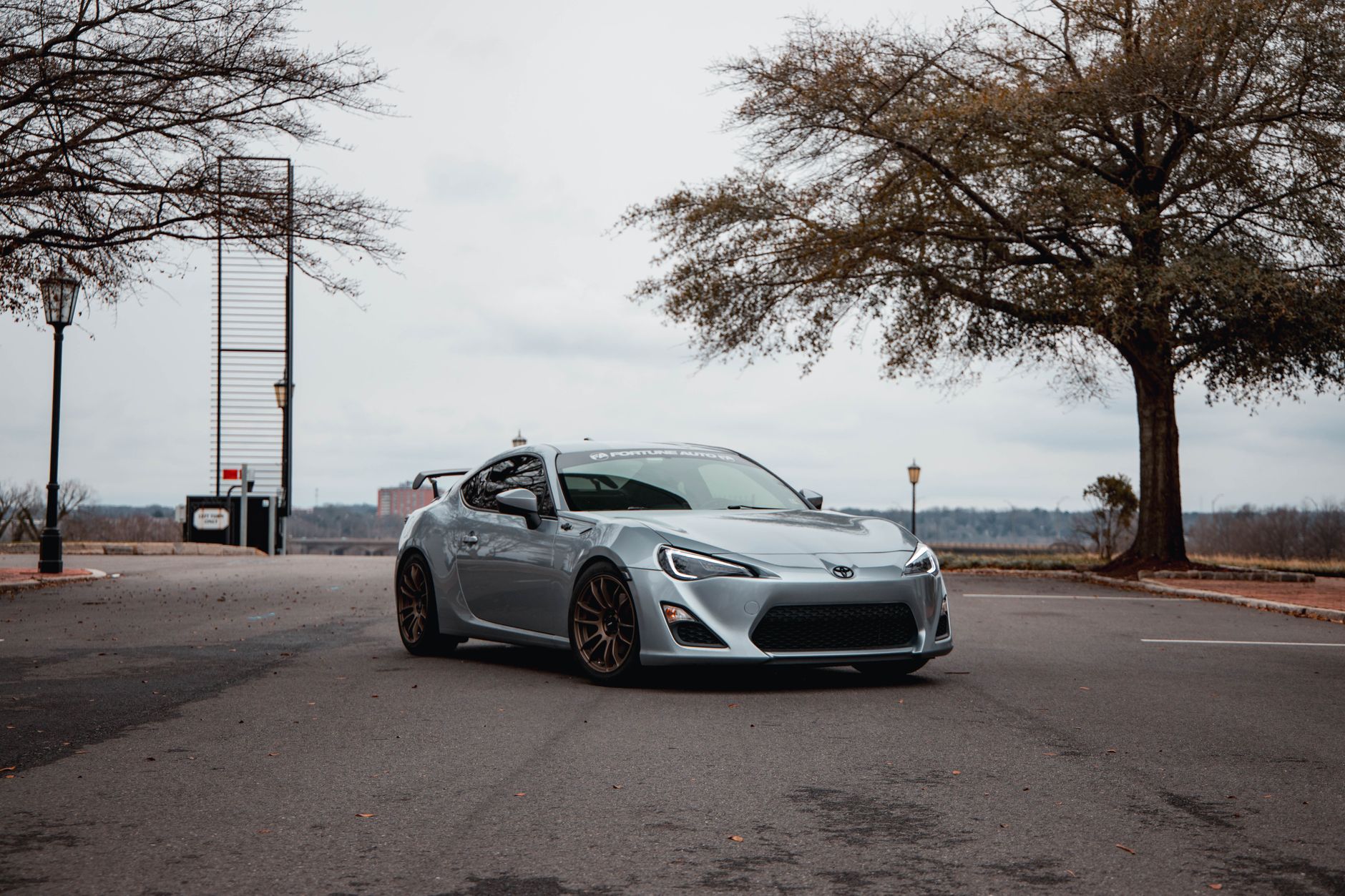
Scion brand return: Is it the best move for Toyota?
Scion brand return has excited many fans of Toyota. The revival of this brand brings Japan’s forbidden-fruit minitrucks back into the spotlight.
What Led to the Scion Brand Return?
The return of the Scion brand has taken many by surprise, especially after its discontinuation in 2016. Several factors have contributed to this unexpected revival.
- Market Demand: The automotive market has seen a resurgence in interest for unique, affordable vehicles that cater to younger buyers. Scion was known for its distinct designs and customization options, appealing to a demographic that values individuality.
- Shift in Consumer Preferences: There has been a noticeable shift towards compact and versatile vehicles, particularly in urban environments. The new Scion lineup includes Japan’s popular minitrucks, which perfectly align with this trend.
- Innovation and Technology: Toyota aims to infuse the Scion brand with cutting-edge technology and sustainable practices, making it relevant in today’s eco-conscious market.
- Brand Identity: Reviving the Scion brand allows Toyota to differentiate its offerings, providing a platform for innovative designs that cater to niche markets.
As Toyota reintroduces the Scion brand, industry experts are left pondering whether this move will successfully capture a new generation of drivers.
Consumer Reactions to Scion’s Comeback
Consumer reactions to the Scion brand return have been mixed, with many enthusiasts expressing excitement over its revival. The brand, known for its youthful and unconventional vehicles, captured the hearts of a generation when it first launched. As news of its comeback spreads, several opinions have emerged from loyal fans and potential new customers.
Many fans are eager to see what modern interpretations of classic models will look like. Some key points raised by consumers include:
- Anticipation for New Models: Shoppers are curious to see if Scion will introduce innovative designs that resonate with today’s market.
- Concerns about Pricing: Potential buyers hope the brand remains affordable, as that was a significant draw before.
- Environmental Considerations: With a growing emphasis on sustainability, many are interested in whether Scion will offer hybrid or electric options.
Overall, while the Scion brand return is met with enthusiasm, consumers are cautious and eager to learn more about the future direction of the brand under Toyota’s guidance.
The Impact of Minitrucks in Today’s Market
The automotive landscape is rapidly evolving, and the return of the Scion brand is closely tied to the rising popularity of minitrucks. These compact vehicles, often celebrated for their versatility and efficiency, are making a significant impact in today’s market.
With the resurgence of interest in small trucks, the Scion brand return aligns perfectly with consumer demand. Minitrucks are not only practical for urban environments but also offer a unique appeal for younger buyers looking for affordable and customizable options. The following factors highlight their influence:
- Affordability: Minitrucks tend to have a lower price point, making them accessible to a wider audience.
- Customization: Enthusiasts appreciate the ability to personalize their vehicles, which is a key aspect of the Scion brand identity.
- Fuel Efficiency: As fuel prices fluctuate, consumers are drawn to vehicles that offer better mileage without compromising utility.
- Sustainability: Smaller trucks often have a smaller carbon footprint, appealing to environmentally conscious buyers.
In summary, the revival of the Scion brand amid the minitruck craze could be a strategic move for Toyota.
Toyota’s Strategy Behind Scion’s Revival
Toyota’s decision to revive the Scion brand is part of a broader strategy aimed at capturing the attention of younger consumers and diversifying its vehicle offerings. The automotive giant believes that the Scion brand return can inject new life into its lineup, particularly with the introduction of Japan’s popular minitrucks.
In recent years, Toyota has observed a growing trend among younger buyers who prioritize unique and affordable vehicles. The revival of Scion is seen as an opportunity to tap into this market segment. The brand is expected to focus on:
- Customization: Offering vehicles that can be easily personalized, appealing to individualism.
- Affordability: Ensuring that the pricing remains accessible for younger consumers.
- Innovative Features: Incorporating modern technology that resonates with tech-savvy buyers.
By leveraging the nostalgia associated with the Scion name while introducing fresh, relevant models, Toyota aims to create a bridge between its established brands and the next generation of car buyers.
Comparing Scion to Other Brands
The return of the Scion brand has sparked discussions about its potential impact in a competitive automotive market. To understand its standing, it is essential to compare Scion to other brands that have undergone similar revivals or transformations.
- Mini and Fiat: Both brands have successfully redefined their images by focusing on compact, trendy vehicles that appeal to younger demographics. Their strategies emphasize unique designs and vibrant marketing.
- Subaru: Known for its rugged appeal, Subaru has carved out a niche by attracting adventure-seeking consumers. Unlike Scion, Subaru has maintained a loyal customer base through consistent branding and performance-oriented vehicles.
- Honda: With its diverse lineup, Honda appeals to a broad audience. The introduction of the Honda e, an electric vehicle with retro styling, shows that even established brands can innovate and attract attention, similar to Scion’s approach with Minitrucks.
As the Scion brand returns, it will be crucial for Toyota to distinguish it from competitors while leveraging its unique identity. Observers are eager to see if Scion’s revival can resonate with a new generation of consumers.
What’s Next for Scion and Toyota?
As Toyota reintegrates the Scion brand into its lineup, industry experts are closely watching what’s next for both Scion and Toyota. The revival is seen as a strategic move to capture the growing interest in minitrucks, which have become increasingly popular among younger consumers. Scion’s return aims to resonate with this demographic, offering unique designs and features that set it apart from traditional offerings.
In addition to focusing on minitrucks, Toyota plans to leverage Scion’s reputation for affordability and customization. This approach may attract buyers looking for a more personalized vehicle experience. However, questions remain about whether this strategy will be enough to reinvigorate the brand in a competitive market.
Some analysts caution that while nostalgia may drive initial sales, long-term success will depend on Scion’s ability to innovate and adapt. As Toyota navigates the landscape of consumer preferences, the Scion brand’s return could either mark a triumphant comeback or serve as a warning signal about the challenges of re-entering a rapidly evolving automotive market.
Ultimately, the success of Scion’s revival will hinge on how well it can integrate with Toyota’s broader vision.
The Scion brand return could attract younger consumers looking for affordable and stylish vehicles. Many industry experts believe that the Scion brand return might reinvigorate Toyota’s presence in the competitive compact car market.
Photo by Tnarg on Pexels
Read the original
You might also like
