

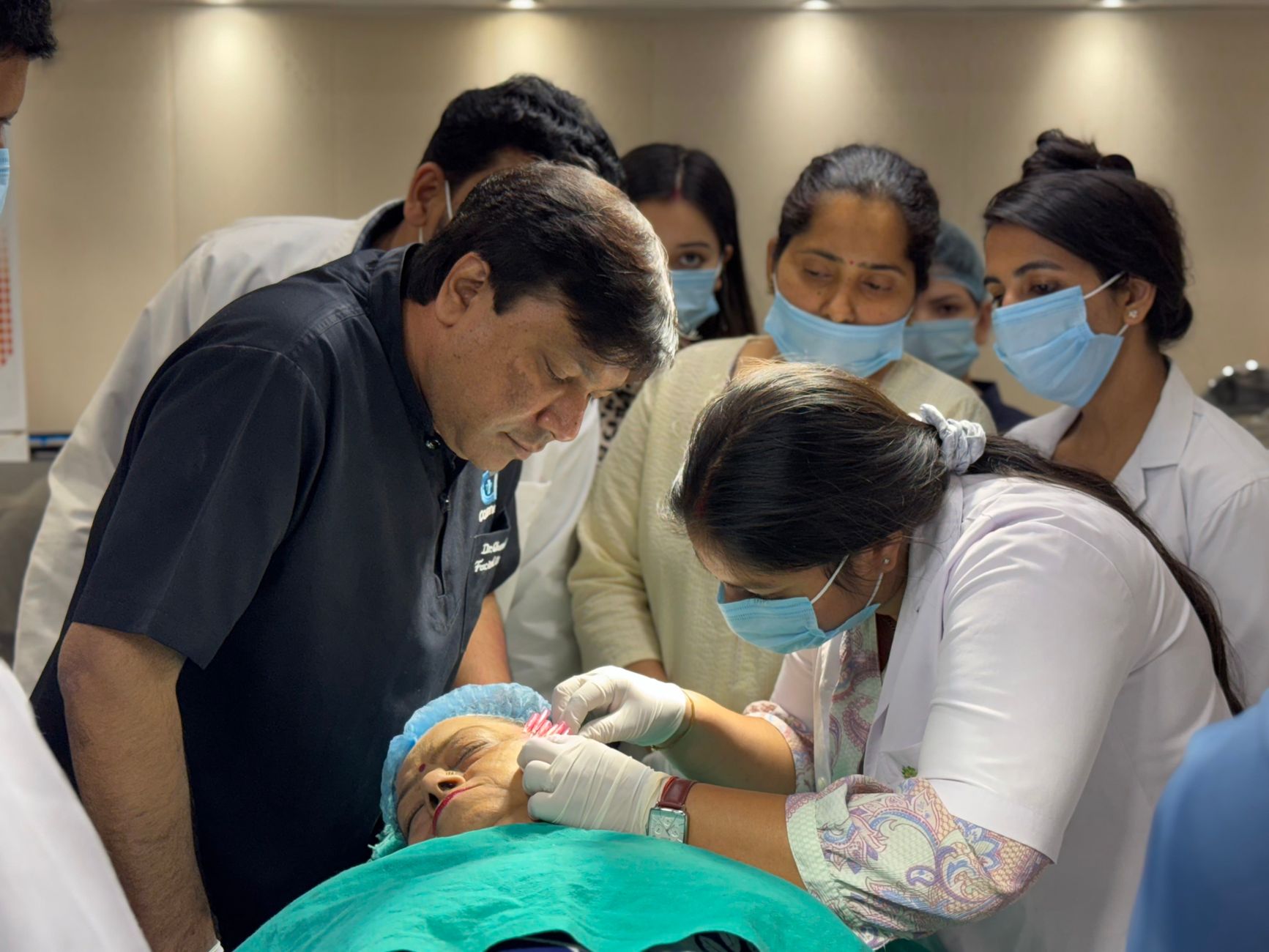
Postgraduate Medical Courses: Best Way to Advance Your Career
Postgraduate medical courses are now available at IIT Kharagpur, marking a significant milestone as the first IIT to introduce such programs. This development aims to enhance medical education in India.
Introduction to Postgraduate Medical Courses
In recent years, the landscape of postgraduate education has evolved significantly, with institutions expanding their offerings to meet the growing demands of the healthcare sector. Postgraduate medical courses are increasingly recognized as a vital pathway for professionals seeking to enhance their expertise and career prospects. These courses provide advanced training, equipping medical practitioners with the skills necessary to excel in various specialties.
With the introduction of postgraduate medical courses by IIT Kharagpur, a pioneering move in the realm of engineering institutes, there is a new opportunity for aspirants to bridge the gap between technology and healthcare. This initiative reflects a broader trend in which interdisciplinary approaches are gaining traction, fostering innovations that can lead to improved patient outcomes.
Prospective students should consider the following benefits of enrolling in postgraduate medical courses:
- Expertise Development: Students gain in-depth knowledge in specialized fields, enhancing their clinical skills.
- Career Advancement: Graduates can pursue higher positions in healthcare institutions, research, and academia.
- Networking Opportunities: These programs often connect students with industry leaders and professionals.
- Research Opportunities: Engaging in cutting-edge research can lead to significant contributions to medical science.
Overall, postgraduate medical courses represent a crucial step for those aiming to achieve excellence in their medical careers.
Importance of Medical Education in India
The significance of medical education in India cannot be overstated, particularly in the context of an evolving healthcare landscape. With the increasing demand for advanced medical professionals, postgraduate medical courses have emerged as a crucial step for aspiring doctors to enhance their skills and knowledge.
As the country faces various health challenges, including infectious diseases and lifestyle-related ailments, the need for specialized medical practitioners is more pressing than ever. Postgraduate education equips healthcare professionals with the expertise required to tackle complex medical issues effectively.
Moreover, institutions like IIT Kharagpur are pioneering initiatives to bridge the gap between engineering and healthcare, reflecting a modern approach to medical education. This innovative fusion of disciplines aims to foster new technologies and methodologies in patient care, ultimately benefiting society at large.
In addition to enhancing clinical skills, postgraduate medical courses also open doors to research opportunities, leadership roles, and teaching positions. As healthcare becomes increasingly interdisciplinary, professionals with advanced training are better positioned to contribute to the development of innovative solutions in medicine.
- Addresses the growing healthcare needs of the population
- Fosters innovation in medical technologies
- Prepares professionals for leadership and teaching roles
IIT Kharagpur’s Innovative Approach
IIT Kharagpur is making waves in the field of medical education by becoming the first Indian Institute of Technology to introduce postgraduate medical courses. This innovative approach aims to bridge the gap between engineering and medicine, providing a unique opportunity for students to enhance their skills and knowledge in a rapidly evolving healthcare landscape.
The postgraduate medical courses at IIT Kharagpur are designed to integrate advanced technology with medical practice, ensuring that graduates are well-equipped to tackle modern medical challenges. This curriculum is expected to include a wide range of subjects such as:
- Medical Imaging Technology
- Biomedical Engineering
- Healthcare Data Analytics
- Telemedicine and E-Health
By offering such specialized courses, IIT Kharagpur is not only enhancing the educational landscape but also responding to the increasing demand for interdisciplinary professionals in the healthcare sector. The integration of technical expertise with medical knowledge is likely to foster innovation and improve patient care.
As the field of medicine continues to evolve, graduates of these postgraduate medical courses will be at the forefront, equipped with the necessary skills to lead advancements in healthcare technology and practices.
Program Details and Structure
The structure of postgraduate medical courses at IIT Kharagpur is designed to provide an in-depth understanding of various medical disciplines while incorporating cutting-edge research and practical training.
These programs typically feature:
- Curriculum Integration: A blend of theoretical knowledge and hands-on experience, enabling students to apply their learning in real-world scenarios.
- Interdisciplinary Approach: Collaboration between engineering and medical faculties fosters innovation in healthcare solutions.
- Research Opportunities: Students are encouraged to engage in significant research projects, contributing to advancements in medical science.
- Clinical Exposure: Partnerships with leading hospitals provide students with essential clinical experience, enhancing their practical skills.
Each course is structured to be completed in two years, with a focus on specializations such as biomedical engineering, health informatics, and medical device technology. The hands-on learning component is emphasized, as students work closely with industry professionals and gain insights into current challenges in healthcare.
Overall, these postgraduate medical courses position graduates to excel in their careers, equipped with the knowledge and skills necessary to meet the evolving demands of the medical field.
Student Opportunities and Career Prospects
The introduction of postgraduate medical courses at IIT Kharagpur marks a significant opportunity for aspiring medical professionals. With the evolving landscape of healthcare, students can now gain advanced knowledge and skills that are crucial for their careers.
These courses are designed to cater to a variety of interests within the medical field, providing students with the flexibility to specialize in areas such as:
- Public Health: Focusing on community health and disease prevention strategies.
- Biomedical Engineering: Integrating engineering principles with medical sciences to develop innovative healthcare solutions.
- Health Informatics: Utilizing data and information technology to improve patient care and healthcare systems.
- Clinical Research: Preparing students to conduct research that advances medical knowledge and treatment methodologies.
Graduates of these postgraduate medical courses will find themselves well-equipped to enter a competitive job market. Career prospects include positions in hospitals, research institutions, and public health organizations, where they can contribute significantly to the healthcare sector.
Moreover, the interdisciplinary nature of these programs fosters collaboration between engineering and medical fields, creating a rich environment for innovation and development. Students will not only enhance their academic credentials but also prepare to tackle real-world challenges in healthcare.
Reactions from the Education Community
The announcement of IIT Kharagpur introducing postgraduate medical courses has garnered significant attention from the education community. Many educators and industry experts believe this initiative is a game changer for medical education in India.
- Dr. Anjali Mehta, a prominent figure in medical education, stated, “The introduction of these courses is a bold step towards integrating engineering and medicine, which can lead to innovative healthcare solutions.”
- Professor Rajesh Kumar, an education policy analyst, commented, “This initiative will not only enhance the skill set of future medical professionals but also address the pressing need for advanced medical training in the country.”
- Dr. Neha Sharma, a recent graduate from a traditional medical college, expressed enthusiasm, saying, “I believe postgraduate medical courses at IIT Kharagpur will provide a unique perspective and skill set that can set us apart in the competitive healthcare landscape.”
Furthermore, there are discussions about the potential for interdisciplinary collaboration, with many believing that engineers and medical professionals will benefit from mutual insights. This new approach in postgraduate medical education can lead to breakthroughs in healthcare technology and methodologies.
Overall, the reactions reflect a shared optimism about the future of medical training and its impact on healthcare delivery in India.
Future of Medical Courses in IITs
The introduction of postgraduate medical courses at IIT Kharagpur marks a significant shift in the landscape of medical education in India. This pioneering move is not just about adding new programs, but also about integrating technology and innovation into healthcare training. As the demand for skilled healthcare professionals continues to rise, it is essential for educational institutions to adapt and evolve.
In the future, we can expect several developments in postgraduate medical courses offered by IITs. These may include:
- Interdisciplinary Programs: Combining engineering principles with medical sciences to create well-rounded professionals capable of addressing complex healthcare challenges.
- Research Opportunities: Enhanced focus on research initiatives that encourage students to engage in groundbreaking studies and innovations in medical technology.
- Partnerships with Healthcare Institutions: Collaborations with leading hospitals and research centers to provide students with practical exposure and real-world experience.
- Global Collaborations: Opportunities for international exchanges and joint programs with renowned medical schools worldwide.
As IIT Kharagpur leads the way, other IITs may follow suit, further enriching the postgraduate medical courses landscape and helping to shape the future of healthcare in India.
Photo by Cosmetica Academy on Pexels
References
Related reading