

Venus Moon Spica: The Best Guide to Tonight’s Sky
Venus Moon Spica is a highlight of the night sky today, September 13. Stargazers can enjoy the unique alignment of these celestial bodies, offering a beautiful view.
What to Expect in the Night Sky
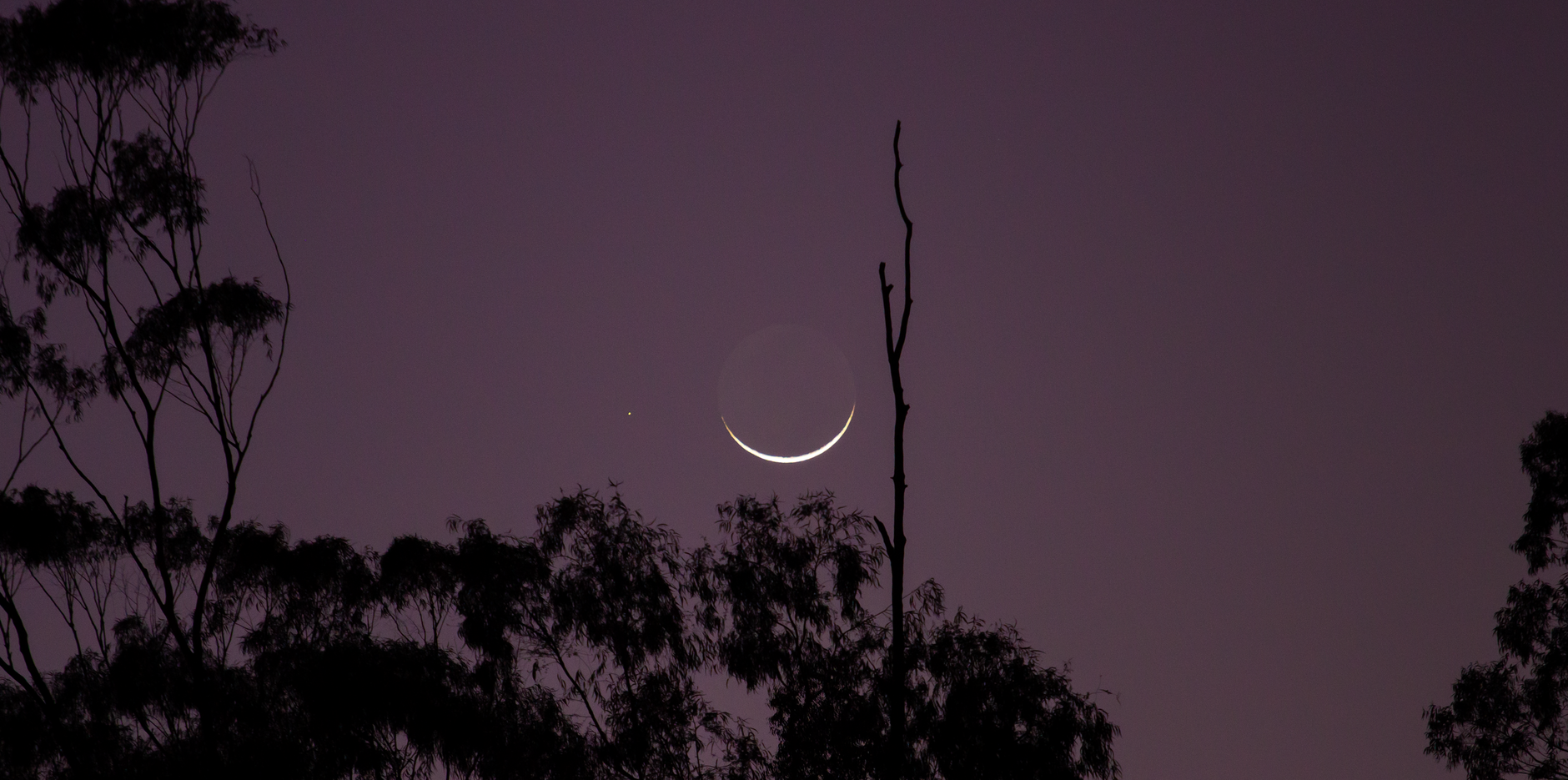
This evening, stargazers can look forward to a spectacular view featuring Venus, the Moon, and Spica. As twilight sets in, these three celestial bodies will create a stunning alignment in the western sky, offering a fantastic opportunity for both amateur and experienced astronomers.
Venus, known as the “Evening Star,” will shine brightly, outshining most other objects in the night sky. The crescent Moon will appear close by, adding a soft glow that enhances the beauty of the scene. Just to the left of Venus, the star Spica will twinkle, providing a striking contrast against the darker backdrop of the sky.
- Time to Observe: Best viewed shortly after sunset.
- Location: Look towards the western horizon.
- Conditions: Clear skies will provide the best visibility.
This celestial trio, Venus Moon Spica, is a sight not to be missed, making tonight an ideal time for a stargazing adventure.
Understanding Venus and Its Brightness
When observing the night sky, it’s essential to understand the significance of celestial bodies like Venus, the Moon, and Spica. Venus, often referred to as the “Evening Star,” is one of the brightest objects in the sky, second only to the Moon. Its brightness is a result of its thick atmosphere, which reflects sunlight effectively.
During the evenings, Venus can shine with a magnitude of -4.6, making it easily visible to the naked eye. The proximity of Venus to Earth allows for its distinct brilliance, especially when positioned near the Moon and Spica.
The Moon, in its various phases, can enhance the viewing experience. When paired with Spica, a blue giant star located in the constellation Virgo, the trio creates a breathtaking scene. Observers should note that the arrangement of Venus, the Moon, and Spica changes nightly, providing a dynamic display worth watching.
To fully appreciate Venus Moon Spica, it’s advisable to find a dark location with minimal light pollution for the best visibility.
The Significance of Spica
The significance of Spica in the night sky cannot be overstated, especially when it is joined by the luminous presence of Venus and the crescent Moon. Spica, the brightest star in the constellation Virgo, holds a special place in both astronomy and mythology. This blue giant star is approximately 250 light-years away and is a vital point of reference for stargazers.
When observing the celestial trio of Venus, the Moon, and Spica, enthusiasts are treated to a remarkable sight that has been celebrated across cultures for centuries. Spica’s bluish hue contrasts beautifully with the warm glow of Venus, making it easier to identify. Astronomical events featuring these three celestial bodies often symbolize fertility and abundance, reflecting Spica’s association with the harvest in various traditions.
As you gaze at the night sky, take a moment to appreciate the connections between these celestial wonders. The alignment of Venus, the Moon, and Spica serves as a reminder of the beauty and harmony of the universe.
How to Best View the Moon Tonight
To fully appreciate the celestial display of Venus, the Moon, and Spica tonight, it’s essential to choose the right viewing conditions. Here are some tips to enhance your stargazing experience:
- Find a Dark Location: Seek out a spot away from city lights, as light pollution can hinder your ability to see these celestial bodies clearly.
- Check the Weather: Ensure that the sky is clear of clouds. Overcast conditions can obscure your view of the Moon and stars.
- Use Binoculars or a Telescope: While Venus and the Moon are easily visible to the naked eye, using binoculars or a telescope can provide a closer look, especially at Spica’s brilliance.
- Timing is Key: Aim to view the alignment shortly after sunset, when the sky is still twilight. This enhances the contrast of the bright Venus Moon Spica trio against the darkening sky.
By following these tips, stargazers can enjoy one of the most striking sights in the night sky tonight.
Tips for Stargazing This Weekend
As you prepare for an exciting evening of stargazing this weekend, here are some essential tips to enhance your experience while observing the captivating trio of Venus, the Moon, and Spica.
- Choose the Right Location: Find a dark area away from city lights to improve visibility. Parks or open fields are often ideal.
- Check the Weather: Clear skies are crucial for a successful stargazing experience. Ensure there are no clouds obstructing your view.
- Use Binoculars: While the naked eye can capture the brilliance of Venus and Spica, binoculars can provide a closer look at their details.
- Time Your Viewing: The best time to observe is shortly after sunset when the horizon is still glowing, making celestial objects stand out.
- Bring a Star Map: Familiarize yourself with the constellations surrounding Venus, the Moon, and Spica for a richer understanding of the night sky.
With these tips, your stargazing experience will surely be memorable.
Upcoming Celestial Events
As we look forward to the upcoming celestial events, the alignment of Venus, the Moon, and Spica stands out as a highlight for stargazers. This remarkable trio will be visible tonight, captivating anyone who gazes up at the sky.
Here are some key dates and events to mark on your calendar:
- September 13: The perfect evening to observe the conjunction of Venus and the Moon, with Spica shining brightly nearby.
- September 15: The Moon will begin to wane and may appear thinner, but Venus will remain a brilliant point of light.
- September 18: Look out for Spica, as it will be at its highest visibility in the night sky alongside Venus.
These events provide a fantastic opportunity to appreciate the beauty of the cosmos, especially the stunning conjunction of Venus Moon Spica. Make sure to find a dark spot free from city lights for the best viewing experience!
As you prepare to gaze at the stunning alignment of Venus Moon Spica, remember to find a location with minimal light pollution for the best view. Tonight’s sky will showcase this celestial trio in a way that is sure to captivate stargazers everywhere, making Venus Moon Spica a highlight of the evening.
Photo by Dennis Ariel on Pexels
Where this came from
Related reading
