
Moon phase today: What’s the Best Way to Observe It?
The moon phase today reveals fascinating insights about our lunar neighbor. On October 25, 2026, the Moon will showcase a unique appearance worth observing.
Understanding Moon Phases
The moon phase today plays a crucial role in how we perceive our natural satellite. Each phase of the moon has distinct characteristics that can enhance our observation experience. Understanding these phases can deepen our appreciation for the moon and its effects on Earth.
The lunar cycle consists of several key phases:
- New Moon: The moon is not visible from Earth, marking the start of the lunar cycle.
- Waxing Crescent: A small sliver of the moon becomes visible as it begins to grow.
- First Quarter: Half of the moon is illuminated, creating a striking sight in the night sky.
- Full Moon: The moon is fully illuminated, making it a popular time for stargazers.
- Waning Gibbous: The moon starts to shrink, but remains largely visible.
Observing these phases can provide a unique connection to our universe.
How to Observe the Moon
Observing the moon can be a captivating experience, especially when considering the moon phase today. Here are some tips to enhance your lunar viewing:
- Choose the Right Time: The best time for observation is during the first quarter or full moon, when the moon is fully illuminated.
- Find a Dark Location: Look for a spot away from city lights to get a clearer view of the moon.
- Use Binoculars or a Telescope: These tools can help you see craters and surface details more clearly.
- Check the Weather: Ensure the sky is clear for optimal visibility.
- Keep a Moon Journal: Document your observations to track changes and phases over time.
By following these tips, you can fully appreciate the beauty of the moon phase today.
The Science Behind Moon Phases
The phases of the moon are a result of its orbit around the Earth, which allows us to observe different portions of its illuminated side as it reflects sunlight. The cycle of moon phases lasts about 29.5 days and includes several key stages: new moon, first quarter, full moon, and last quarter.
As the moon moves through these phases, the angle between the Earth, moon, and sun changes, leading to the varying appearances we see in the night sky. Today, the moon phase can significantly affect various activities, from gardening to fishing, as some believe certain phases are more favorable for these tasks.
To truly appreciate the moon phase today, consider using telescopes or binoculars to get a closer look at its surface features and craters.
Upcoming Lunar Events
As stargazers look to the sky, several exciting lunar events are on the horizon. Understanding the moon phase today can enhance your experience of these celestial occurrences. Here are some upcoming highlights:
- Full Moon: The next full moon will illuminate the night sky on November 8, 2026, providing a perfect opportunity for nighttime photography and moonlit hikes.
- New Moon: A new moon will occur on November 23, 2026, offering a chance to observe faint stars and other celestial bodies without the moon’s brightness.
- Lunar Eclipse: On December 7, 2026, a partial lunar eclipse will take place, allowing observers to witness the moon partially shadowed by the Earth.
Mark your calendars and prepare for these magical lunar moments!
Tips for Stargazing
As you prepare to enjoy the moon phase today, consider these tips for an enhanced stargazing experience. First, find a location away from city lights to reduce light pollution, which can obscure your view of the moon and stars.
Next, use binoculars or a telescope to observe the moon’s surface details, such as craters and lunar maria. A good pair of binoculars can offer a stunning perspective without the need for a telescope.
Don’t forget to check the weather forecast; clear skies will provide the best visibility. Additionally, bring a blanket or chair to ensure comfort during your observation. Finally, consider keeping a journal to note your observations and feelings during each moon phase, allowing you to connect more deeply with the lunar cycle.
Moon Phase Today Explained
Today, the moon phase reveals a captivating sight for astronomy enthusiasts and casual observers alike. On October 25, 2026, the moon will be in its waxing gibbous phase, characterized by a significant portion of its surface illuminated. This phase occurs as the moon approaches its full stage, making it an ideal time for stargazing.
To make the most of the moon phase today, consider the following:
- Location: Find a spot away from city lights.
- Equipment: Binoculars or a telescope can enhance your view.
- Timing: Observe the moon as it rises, when it appears larger and more colorful.
Understanding the moon phase today adds to the enjoyment of observing our celestial neighbor, making each sighting a unique experience.
What to Expect on October 25, 2026
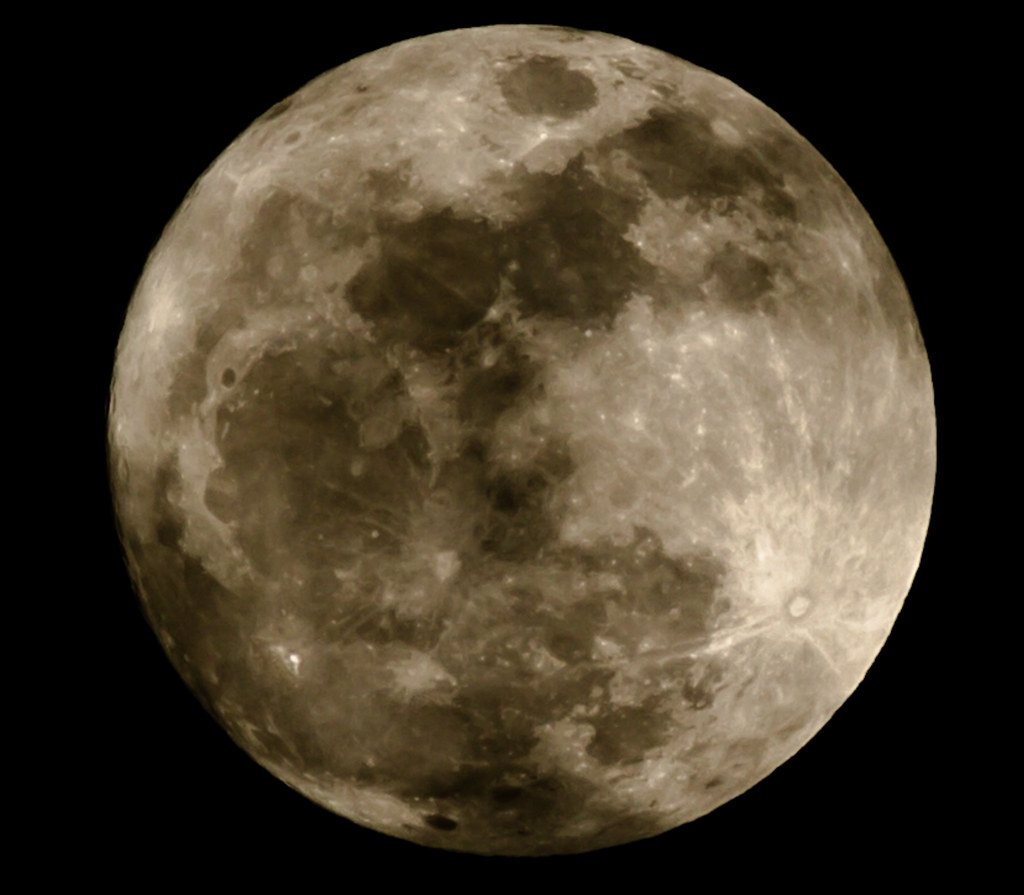
On October 25, 2026, stargazers can look forward to a spectacular view of the moon, as it will be in the Waxing Gibbous phase. This phase occurs when the moon is more than half illuminated but not yet full, providing an excellent opportunity for observation.
During this time, the moon will rise in the afternoon and remain visible throughout the night, making it accessible for both amateur and seasoned astronomers alike. The illuminated surface will highlight the moon’s craters and maria, enhancing the overall viewing experience.
For those wondering about the moon phase today, preparations can be made in advance to ensure optimal viewing conditions. The clear skies and brighter moon will make for a memorable night of stargazing, perfect for sharing with family and friends.
The Importance of Moon Phases
The moon phase today plays a crucial role in various aspects of life on Earth. Understanding the different phases can enhance our appreciation of this celestial body and its impact on our environment. The moon influences tides, animal behavior, and even human emotions. Each phase of the moon—from new to full—offers a unique observation experience for stargazers.
Moreover, the phases of the moon have been used for centuries in agriculture, guiding planting and harvesting cycles. Many cultures celebrate the changing moon phases, integrating them into their traditions and rituals. Observing the moon phase today not only connects us to nature but also allows us to reflect on our place in the universe. Whether you are a seasoned astronomer or a casual observer, recognizing the significance of the moon phases can deepen your understanding and appreciation of the night sky.
By Imahinasyon Photography via Openverse
Where this came from
Wells Fargo Buy Rating: Proven Insights on Dover’s Future · Latest News Bulletin: Your Quick Guide to Today’s Updates · Trump rallies Florida: The Right Simple Strategy for Success