

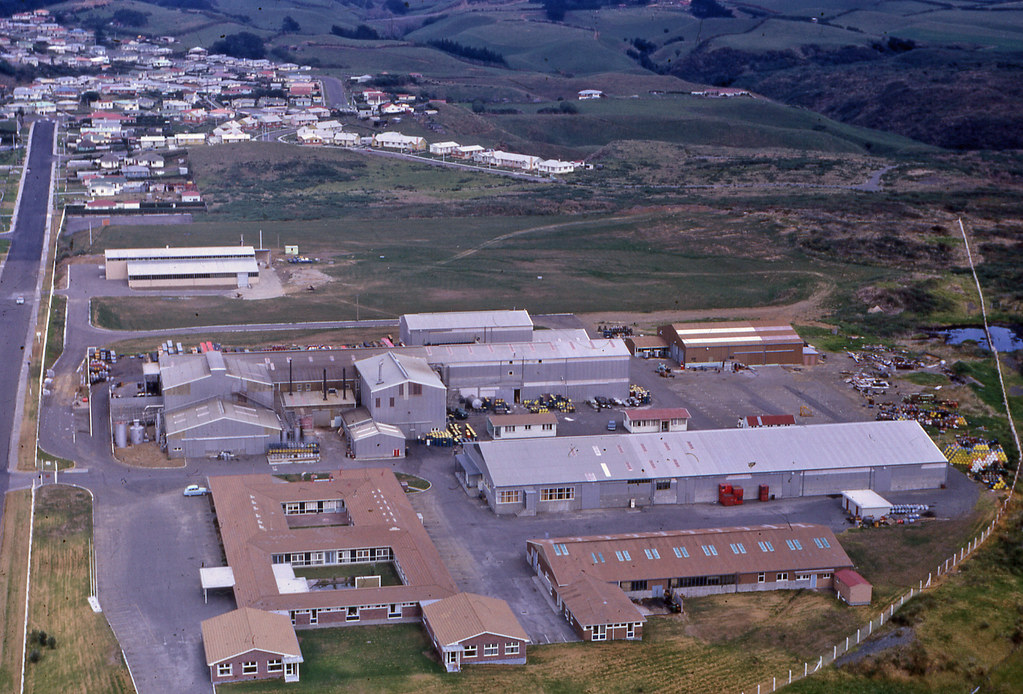
Manufactured housing challenges: The Worst Zoning Issues
Manufactured housing challenges are at the forefront of local zoning discussions. As communities grapple with housing shortages, zoning regulations often hinder the growth of manufactured housing options.
Understanding Manufactured Housing
Manufactured housing offers an affordable alternative for many families, yet it faces significant challenges, particularly regarding zoning regulations. Understanding the complexities surrounding manufactured housing is crucial for addressing these issues.
Manufactured homes are constructed in a factory setting and then transported to their final location. However, they often encounter hurdles due to local zoning laws, which can vary widely from one municipality to another. These regulations may impose restrictions on where manufactured homes can be placed, often favoring traditional single-family homes over manufactured options.
Key challenges include:
- Land Use Restrictions: Many areas have zoning codes that limit or prohibit the installation of manufactured homes.
- Community Opposition: Some neighborhoods resist the integration of manufactured housing, fearing it may lower property values.
- Financing Issues: Local zoning can complicate financing options, making it more challenging for potential buyers.
These manufactured housing challenges highlight the need for reform in zoning practices to promote more inclusive housing solutions.
The Impact of Local Zoning
The local zoning regulations significantly impact the manufactured housing market, often creating challenges for prospective homeowners. These regulations can vary widely from one municipality to another, leading to confusion and frustration for those seeking to place manufactured homes.
Many local governments impose strict zoning laws that may limit where manufactured homes can be located. Some common zoning challenges include:
- Minimum Lot Sizes: Many areas require larger lots than what is often available for manufactured housing.
- Architectural Restrictions: Local codes may mandate specific design criteria that manufactured homes must meet, discouraging potential buyers.
- Land Use Classifications: Some regions do not recognize manufactured homes as legitimate residences, further complicating their placement.
- Utility Access: Zoning laws may also dictate the availability of essential services like water and electricity.
These manufactured housing challenges can hinder the growth of affordable housing solutions, placing additional strain on communities in need.
Challenges Facing Developers
Developers of manufactured housing face numerous challenges that can complicate the creation of new communities. One of the most significant hurdles is the complex web of local zoning regulations. These regulations often vary widely from one municipality to another, making it difficult for developers to navigate the permitting process.
Additionally, many local governments impose restrictions that can limit the type and size of manufactured homes allowed. This can lead to a shortage of affordable options for potential homeowners. The perception of manufactured housing as a substandard living option further complicates the situation, often resulting in community pushback against new developments.
Moreover, developers must contend with:
- Inconsistent zoning laws: Different areas have different rules, creating confusion.
- Community opposition: Local residents may resist new manufactured housing projects.
- Infrastructure challenges: Adequate utilities and services may be lacking.
These factors contribute to the overall challenges facing developers in the manufactured housing sector.
Community Reactions to Zoning Laws
Community reactions to zoning laws surrounding manufactured housing have been mixed, reflecting a wide range of opinions and concerns. Many residents express frustration over the restrictions imposed by local zoning regulations, which they believe hinder the growth and acceptance of manufactured housing in their neighborhoods.
Some community members highlight the need for affordable housing solutions, arguing that manufactured housing could provide a viable option. They advocate for changes in zoning laws to allow for more flexibility and integration of these homes into existing communities.
On the other hand, some residents voice apprehension about the potential impact of manufactured housing on property values and neighborhood aesthetics. These fears often stem from misconceptions about the quality and permanence of such homes.
As the dialogue continues, many agree that finding a balance between maintaining community standards and addressing the challenges of manufactured housing is essential for fostering inclusive and sustainable growth.
- Frustration over restrictions
- Advocacy for affordable housing
- Concerns about aesthetics and value
Potential Solutions for Housing Shortages
In addressing the persistent manufactured housing challenges, several potential solutions could alleviate housing shortages. Local governments play a crucial role in creating a more favorable environment for manufactured housing developments. Here are some strategies that could be implemented:
- Amending Zoning Laws: Simplifying zoning regulations to allow for more flexibility in where manufactured homes can be placed could encourage new developments.
- Incentives for Developers: Offering tax incentives or grants to developers who focus on manufactured housing projects can stimulate investment and innovation in this sector.
- Community Education: Increasing awareness about the benefits of manufactured housing can help shift public perception and reduce opposition to new developments.
- Public-Private Partnerships: Collaborating with private developers can lead to the creation of affordable manufactured housing communities, ensuring diverse housing options.
By exploring these potential solutions, communities can begin to tackle the challenges associated with manufactured housing and ultimately work towards meeting the growing demand for affordable living options.
Case Studies of Successful Projects
Several successful projects have emerged as beacons of hope amidst the manufactured housing challenges posed by local zoning laws. These case studies illustrate innovative solutions and community engagement that can help bridge the gap between regulatory hurdles and housing needs.
- Project A in Springfield: This initiative transformed a neglected area into a thriving manufactured home community. Through collaboration with local officials, developers secured zoning variances that allowed for a blend of traditional and manufactured housing, thus promoting inclusivity.
- Project B in Maplewood: By engaging local residents early in the planning process, this project addressed community concerns about aesthetics and infrastructure. The result was a zoning approval that not only facilitated new homes but also improved local amenities.
- Project C in Rivertown: This venture focused on sustainable practices and community benefit agreements, which provided assurances to neighbors. It successfully navigated zoning challenges by demonstrating the long-term benefits of manufactured housing.
These examples highlight the importance of strategic planning and community involvement in overcoming zoning obstacles.
Future Trends in Manufactured Housing
The future of manufactured housing is intricately tied to the evolving landscape of zoning laws and community acceptance. As cities grapple with housing shortages, the demand for affordable options continues to grow. However, manufactured housing challenges remain significant as local regulations often lag behind innovative housing solutions.
Emerging trends indicate a shift towards more flexible zoning practices that could facilitate the integration of manufactured homes into communities. Local governments are beginning to recognize the potential of these homes to provide affordable housing, especially in urban areas where traditional housing is out of reach for many residents.
Technological advancements in construction and design are also influencing the future of manufactured housing. With an emphasis on sustainability and energy efficiency, new models are being developed to meet modern needs while addressing the stigma associated with manufactured homes.
As communities adapt to changing demographics and the demand for affordable housing persists, the dialogue surrounding zoning laws and manufactured housing will be crucial in shaping the future landscape of residential options.
One of the most pressing manufactured housing challenges is the restrictive zoning laws that limit where these homes can be placed. Addressing these manufactured housing challenges requires collaboration between policymakers and community stakeholders to create more inclusive regulations.
By In Memoriam: PhillipC via Openverse
Read the original
Russian Offensive Campaign: The Worst Proven Strategies · Anderson retirement news: A clear decision after Lancs exit · Orlando weather forecast: What’s the Best Simple Update Today?
