

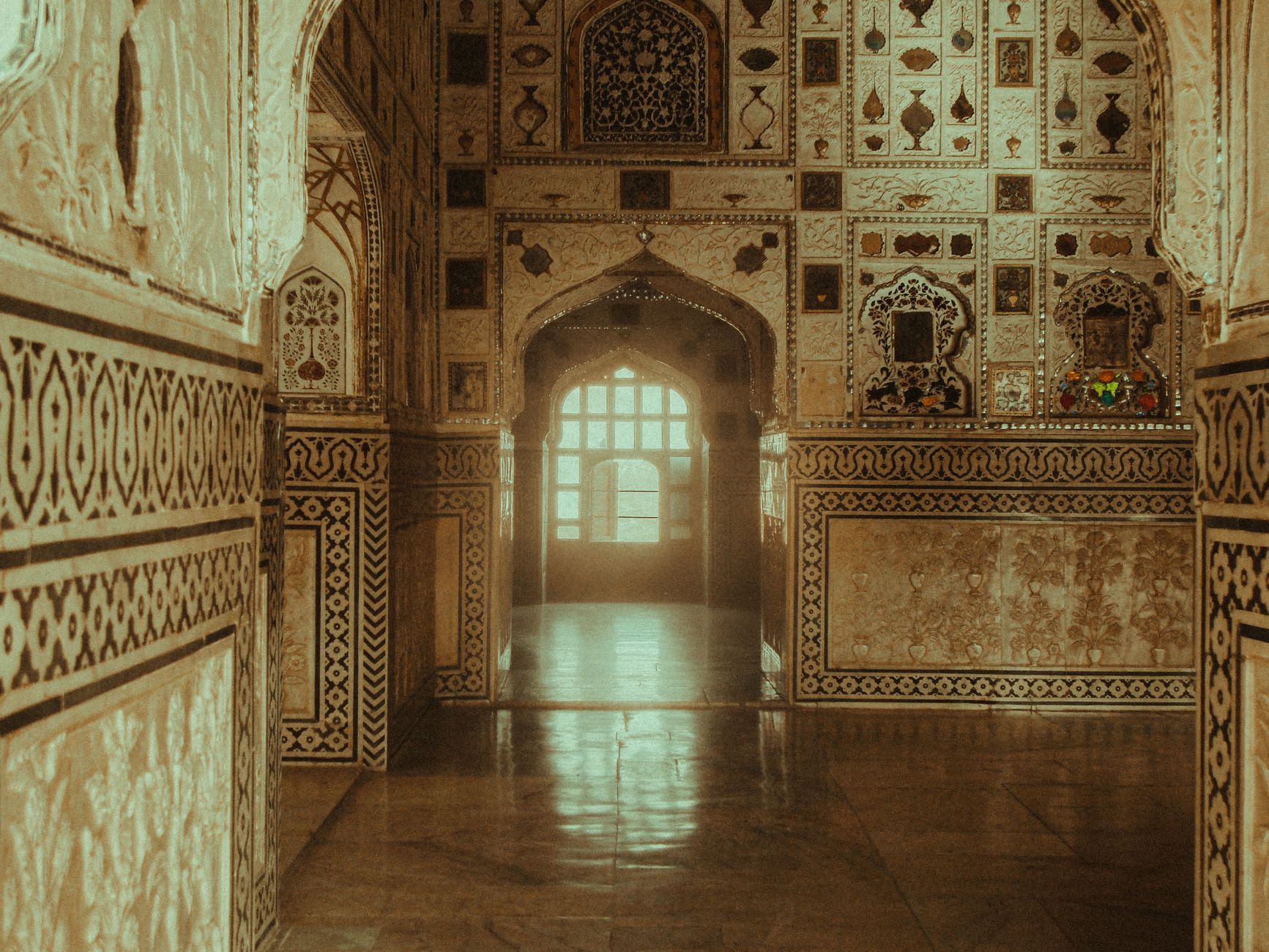
Delhi Sheesh Mahal: The Worst Example of Corruption Exposed
Delhi Sheesh Mahal is set to open to the public, which some are calling the worst example of corruption in the city. Minister Parvesh Verma’s announcement has sparked significant debate.
Overview of Sheesh Mahal
The Delhi Sheesh Mahal has emerged as a striking symbol of corruption within the city’s governmental framework. Recently, Delhi Minister Parvesh Verma labeled it as one of the “most glaring examples of corruption,” highlighting the need for transparency in the management of public resources. Originally constructed in the 19th century, this architectural marvel was meant to serve as a royal retreat, adorned with intricate mirror work and lavish decorations.
However, the grandeur of the Sheesh Mahal has been overshadowed by allegations of mismanagement and financial irregularities. Critics argue that the preservation efforts have been marred by bureaucratic red tape and a lack of accountability. The government’s decision to open the Sheesh Mahal to the general public is seen as a move to restore faith in the administration and promote tourism.
In response to public outcry, the authorities are now prioritizing the renovation and maintenance of this historic site. Key points surrounding the current situation include:
- Increased public access to the site.
- Plans for restoration and conservation.
- Ongoing investigations into past financial discrepancies.
Minister Parvesh Verma’s Announcement
In a recent announcement, Delhi Minister Parvesh Verma declared that the Delhi Sheesh Mahal will soon be opened to the general public. This decision comes amid rising concerns over corruption associated with the site, which has been described as the “most glaring example of corruption” in the region.
During a press conference, Verma emphasized the government’s commitment to transparency and accountability, stating, “It is time for the citizens of Delhi to witness the grandeur of Sheesh Mahal, which has been shrouded in controversy for far too long.” He expressed hope that opening the site would not only boost tourism but also shed light on the mismanagement that has plagued the area.
Critics, however, remain skeptical about the announcement. They argue that merely opening the Delhi Sheesh Mahal to the public will not address the systemic issues of corruption that have led to its current state. As discussions continue, many are calling for a thorough investigation into the funding and renovation processes associated with this historic site.
The minister’s announcement has sparked a mixed reaction, with some welcoming the potential for public access while others demand accountability and reform.
Public Reaction to the Opening
The announcement of the opening of Delhi Sheesh Mahal to the public has sparked a wave of reactions from citizens, activists, and political commentators alike. Many have expressed outrage over what they perceive as a blatant display of corruption tied to the renovation and maintenance of the site.
Social media platforms have become a battleground for opinions, with numerous users sharing their disappointment. Key points from the public reaction include:
- Disillusionment with Government Transparency: Citizens are questioning how funds were allocated for the renovation and whether proper procedures were followed.
- Calls for Accountability: Activists are demanding investigations into the financial dealings surrounding the Sheesh Mahal project, asserting that it epitomizes mismanagement and corruption.
- Historical Preservation Concerns: Many individuals worry that opening the site without addressing its preservation needs could lead to further deterioration.
- Mixed Feelings: While some are excited about accessing the Sheesh Mahal, others view this as a superficial victory overshadowed by the corruption claims.
As the public discourse continues, it remains to be seen how the authorities will respond to these concerns regarding the Sheesh Mahal and its future.
Historical Significance of Sheesh Mahal
The Delhi Sheesh Mahal holds a prominent place in the architectural history of the capital, showcasing a fusion of Mughal and modern design elements. Constructed during the late 19th century, the Mahal served as a royal retreat, offering a glimpse into the opulence of its time. Its intricate glasswork, reflecting pools, and lush gardens made it a sought-after destination for both locals and tourists.
Historically, the Sheesh Mahal has been a symbol of cultural heritage, drawing attention to the artistic craftsmanship of the era. However, recent events have overshadowed its significance, as allegations of mismanagement and corruption have surfaced. Critics argue that the neglect of the Mahal has tarnished its legacy and highlighted the poor governance in the preservation of historical sites.
Despite these issues, the Sheesh Mahal remains a testament to the rich history of Delhi. Visitors who explore its halls are often transported back in time, marveling at the architectural marvels that tell stories of a bygone era. As discussions continue regarding its future, the hope is that the Delhi Sheesh Mahal can once again become a beacon of cultural pride rather than a symbol of corruption.
Corruption Allegations Explained
The allegations of corruption surrounding the Delhi Sheesh Mahal have raised serious concerns among citizens and experts alike. Investigations into the renovation and restoration of this historic site have revealed discrepancies that point to potential mismanagement of funds and favoritism in contract awards.
Several sources have reported that the budget allocated for the renovation was significantly higher than what was necessary for the work performed. Key points of contention include:
- Inflated Costs: Reports indicate that some contracts were awarded at prices much higher than market rates, leading to suspicions of kickbacks.
- Lack of Transparency: There has been little public disclosure regarding the bidding process, raising questions about the integrity of the procurement.
- Allegations of Bribery: Whistleblowers have come forward, alleging that officials received bribes to overlook subpar work and expedite payments.
The Delhi Sheesh Mahal, intended to be a symbol of cultural pride, has instead become a focal point for discussions about corruption in government projects. As the public demands accountability, it remains to be seen how authorities will address these serious accusations.
Future of Delhi’s Historic Sites
The future of Delhi’s historic sites, including the controversial Delhi Sheesh Mahal, remains uncertain amid ongoing debates about transparency and preservation. As the city grapples with issues of corruption and mismanagement, the fate of its cultural heritage is at stake.
Many experts argue that without proper governance, sites like Sheesh Mahal could fall into further disrepair. Public pressure has mounted, urging authorities to ensure that restoration efforts are not only genuine but also free from corrupt practices.
Supporters of the Sheesh Mahal project emphasize the need for strict oversight and accountability. They advocate for the establishment of a dedicated committee tasked with monitoring restoration processes and funding allocations.
Additionally, the local community has expressed a desire for more involvement in decision-making regarding historic sites. This engagement could foster a sense of ownership and responsibility among residents, ensuring that the mausoleum and other landmarks are preserved for future generations.
Ultimately, the fate of Delhi’s historic sites hinges on the commitment of both officials and citizens to uphold integrity and honor the rich heritage that defines the city.
The investigation into the Delhi Sheesh Mahal has revealed shocking evidence of misappropriation of funds. Activists are calling for accountability as the Delhi Sheesh Mahal continues to symbolize the depths of corruption in the region.
Photo by Nishant Das on Pexels
Sources
Related reading
Is the Krishna Temple issue the Right Move for BJP? · Nasdaq Market Slide: The Worst Impact on Investors Today · GLP-1 complications: The Worst Side Effects Explained