

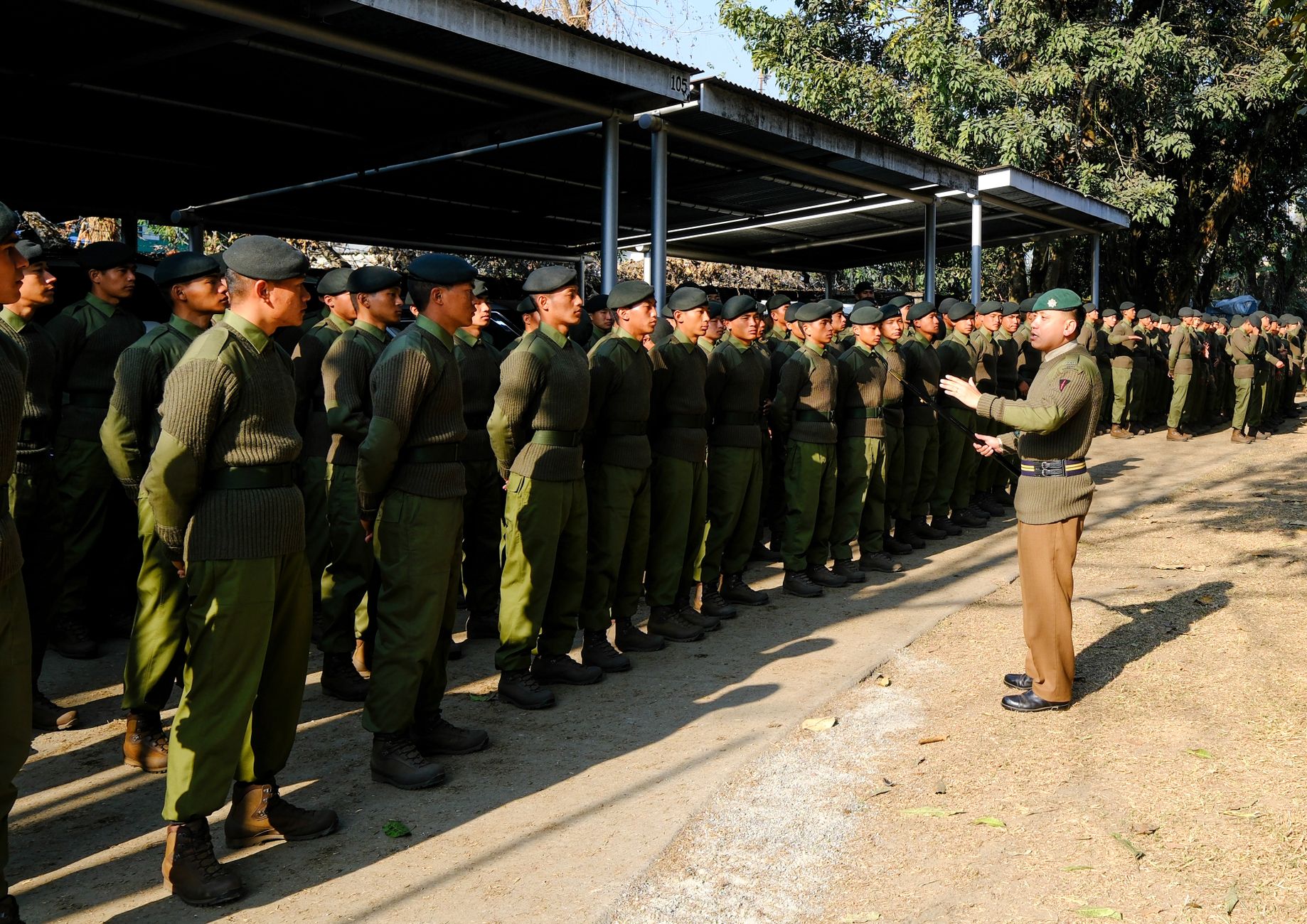
Military Education Revamp: Proven Strategies for Improvement
military education revamp is crucial for adapting to contemporary challenges. Recent orders from Hegseth aim to transform how military personnel are trained and educated.
Overview of Military Education Changes
The recent orders by Hegseth have sparked a significant shift in military education, marking a pivotal moment for service members. This military education revamp aims to address long-standing issues and enhance the training provided to personnel. The changes focus on several key areas to ensure a more effective and relevant educational framework.
- Curriculum Modernization: Programs will be updated to reflect contemporary warfare and technological advancements, ensuring that service members are equipped with current knowledge and skills.
- Inclusive Learning Environments: Efforts will be made to foster a more inclusive atmosphere, allowing diverse perspectives and experiences to contribute to the learning process.
- Emphasis on Critical Thinking: Training will prioritize critical thinking and problem-solving abilities, enabling military personnel to adapt to rapidly changing situations in the field.
- Enhanced Training Resources: Increased investment in training materials and technology will support a more engaging and effective learning experience.
These strategic improvements are designed to create a more competent and agile military force, better prepared for the challenges of modern warfare.
Hegseth’s Vision for Military Training
In a bold move to enhance the effectiveness of military training, Hegseth has outlined a comprehensive vision for a military education revamp that aims to modernize and streamline the current curriculum. His approach emphasizes the importance of integrating innovative teaching methods and up-to-date technology to better prepare service members for the challenges of modern warfare.
Key components of Hegseth’s vision include:
- Incorporation of Technology: Emphasizing the use of virtual simulations and digital learning platforms to create immersive training experiences.
- Leadership Development: Focusing on cultivating leadership skills among enlisted personnel, ensuring they are equipped to make strategic decisions in high-pressure situations.
- Increased Collaboration: Encouraging partnerships with universities and educational institutions to provide service members with access to advanced academic resources.
Hegseth believes that these changes are crucial for fostering a more adaptable and capable military force. By prioritizing a military education revamp, he aims to ensure that training keeps pace with evolving threats and operational demands, ultimately strengthening national security.
Key Benefits of the Revamp
The recent military education revamp promises to deliver several key benefits that align with contemporary needs and enhance training outcomes. As outlined by Hegseth, the initiative aims to modernize the curriculum and improve overall effectiveness.
One of the primary advantages of this revamp is the introduction of innovative teaching methods. By incorporating technology and hands-on training, service members can better engage with the material, leading to improved retention and application of skills.
Additionally, the emphasis on interdisciplinary learning allows military personnel to gain insights from various fields, fostering critical thinking and adaptability in rapidly changing environments.
Another significant benefit is the focus on personalized learning paths. Tailoring education to meet individual needs ensures that all service members receive the support necessary to excel in their roles.
Moreover, the military education revamp encourages collaboration between different branches, promoting a unified approach to training and preparedness.
Ultimately, these enhancements aim to produce a more skilled and resilient military force, ready to tackle the challenges of modern warfare and global security.
Challenges Facing Military Education
The recent call for a military education revamp has highlighted several challenges that need to be addressed in order to achieve meaningful improvements. One of the primary issues is the outdated curriculum that often fails to meet the evolving demands of modern warfare. This disconnect can lead to a gap in essential skills required for service members.
Additionally, resistance to change within established military institutions poses another significant hurdle. Many educators and trainers are accustomed to traditional methods and may be hesitant to adopt new strategies or technologies. This reluctance can slow down the implementation of innovative teaching practices that are necessary for a successful education overhaul.
Resource allocation also presents a challenge. The need for updated training facilities, materials, and personnel is critical, yet funding remains a contentious issue. Ensuring that military education receives adequate investment is vital for fostering an environment conducive to learning.
Finally, the diverse backgrounds of service members mean that tailored approaches to education are required. Balancing standardization with individual needs will be crucial for the success of the military education revamp.
Expert Opinions on the Changes
Experts in military training and education are weighing in on the recent changes being implemented in military education. Many agree that the military education revamp is not only necessary but long overdue. According to retired Colonel Jane Smith, “The world is rapidly changing, and our training must evolve to meet new challenges. This revamp is a step in the right direction.”
Another expert, Dr. Thomas Lee, emphasized the importance of integrating modern technologies into the curriculum. “By leveraging advanced simulations and virtual training, we can provide our soldiers with hands-on experience that is both safe and effective,” he stated.
However, some voices of caution have emerged. Defense analyst Sarah Johnson pointed out potential pitfalls, saying, “While the intentions behind the military education revamp are commendable, the implementation must be carefully monitored to ensure that resources are allocated efficiently.”
As discussions continue, it is clear that the consensus among experts is one of cautious optimism. They believe that with the right strategies and oversight, the military education revamp can lead to a more effective and adaptable fighting force.
Future of Military Training Programs
The future of military training programs is poised for significant transformation as leaders prioritize a comprehensive military education revamp. This initiative aims to align training methods with contemporary challenges and technological advancements.
As military operations become increasingly complex, the need for adaptable and skilled personnel is paramount. Innovative training modules are being developed to enhance critical thinking, leadership, and technical prowess among service members. These new strategies emphasize not only traditional combat skills but also the importance of cyber warfare, humanitarian efforts, and strategic planning.
Stakeholders are optimistic about the potential impact of this military education revamp. Key benefits include:
- Enhanced Readiness: Troops will be better prepared for diverse mission scenarios.
- Increased Retention: Engaging and relevant training can improve job satisfaction and retention rates.
- Collaboration with Technology: Incorporating simulation and virtual reality tools enhances learning experiences.
While challenges remain in implementation, the commitment to evolving military education ensures that future service members are equipped to face the demands of modern warfare.
Photo by Mick Latter on Pexels
Where this came from
Related reading