

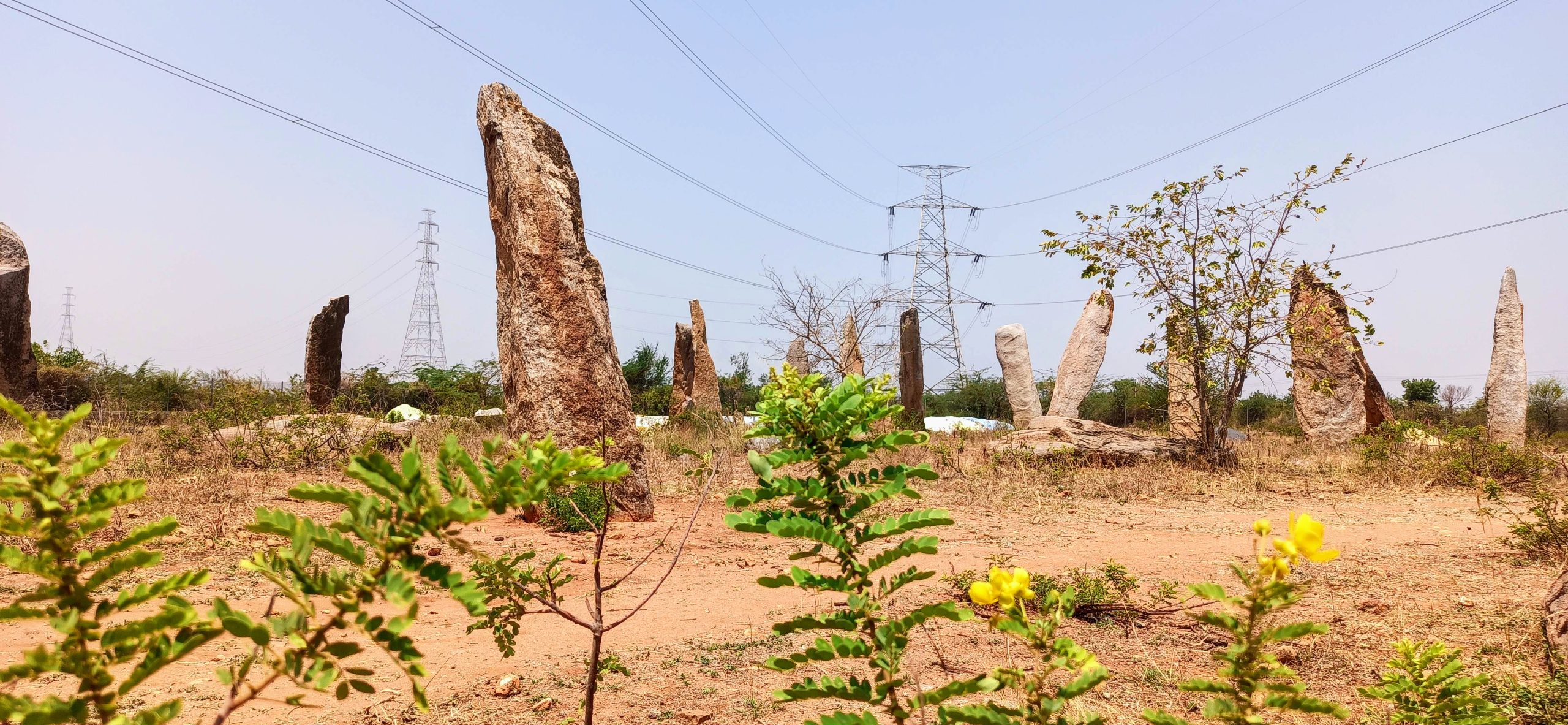
India UNESCO Tentative List: Best Sites for UPSC Exam
India UNESCO Tentative List has recently expanded with new sites that are crucial for the UPSC Exam.
Overview of the India UNESCO Tentative List
The India UNESCO Tentative List serves as a crucial compilation of sites that the country aims to nominate for inclusion in the prestigious UNESCO World Heritage List. This list not only highlights India’s rich cultural and natural heritage but also showcases the diversity of its historical and archaeological significance.
As of October 2023, India has several sites on its tentative list, reflecting the nation’s commitment to preserving its heritage. Some of the notable sites include:
- Ganga River Basin – a significant ecological and cultural region.
- Rani ki Vav – an intricately constructed stepwell in Gujarat.
- Jantar Mantar – an astronomical observatory with remarkable instruments.
- Khangchendzonga National Park – a biodiversity hotspot in the Himalayas.
These sites are essential for UPSC aspirants as they not only represent India’s heritage but also reflect the ongoing efforts to gain global recognition. Understanding the India UNESCO Tentative List is crucial for students preparing for the UPSC exam, as it emphasizes the importance of cultural preservation and international heritage recognition.
New Sites Added to the Tentative List
In a significant development, India has expanded its UNESCO Tentative List with the inclusion of several remarkable sites. These additions highlight the country’s rich cultural heritage and natural beauty, making them essential for students preparing for the UPSC exam.
The newly added sites are:
- Ganga River Basin: Recognized for its ecological significance and cultural importance, the Ganga River Basin is a vital lifeline for millions.
- Meghalaya’s Living Root Bridges: These unique structures showcase the innovative use of natural materials by local tribes to create bridges that blend harmoniously with the environment.
- Ancient City of Varanasi: Known as one of the oldest inhabited cities in the world, Varanasi holds immense spiritual and historical significance.
- Temples of Kanchipuram: This site is famed for its exquisite temples that reflect the grandeur of South Indian architecture and religious traditions.
These sites not only enrich the India UNESCO Tentative List but also provide invaluable insights for aspirants aiming to excel in the UPSC exam, emphasizing the importance of preserving India’s diverse heritage.
Importance for UPSC Exam Preparation
The India UNESCO Tentative List holds significant importance for aspirants preparing for the UPSC exam. Understanding this list not only aids in grasping the cultural and historical context of India but also helps in answering questions related to heritage conservation and national identity.
For UPSC exams, knowledge of UNESCO sites can be crucial, as they often appear in various sections, including current affairs, geography, and culture. The inclusion of new sites provides an opportunity for candidates to stay updated on recent developments, enabling them to draw connections between heritage and policy-making.
Moreover, questions related to UNESCO sites can test a candidate’s analytical skills and awareness of international recognition of India’s cultural assets. To enhance exam preparation, candidates should focus on:
- Researching the significance of each site listed in the India UNESCO Tentative List.
- Understanding the criteria for selection by UNESCO.
- Exploring the impact of these sites on local and national tourism.
Incorporating this knowledge into your study plan can provide a competitive edge in the UPSC examination.
How to Study for UPSC Exam Effectively
Preparing for the UPSC exam requires a strategic and focused approach, especially when it comes to topics like the India UNESCO Tentative List. Here are some effective study tips to enhance your preparation:
- Create a Study Schedule: Allocate specific time slots for studying the India UNESCO Tentative List along with other subjects. This helps in maintaining consistency and ensures comprehensive coverage of all topics.
- Utilize Quality Resources: Use standard textbooks, online courses, and credible websites to gather information about the sites listed in the India UNESCO Tentative List. Make notes to enhance retention.
- Practice Previous Year Papers: Solve past UPSC exam papers to familiarize yourself with the question patterns and types of questions related to cultural heritage and UNESCO sites.
- Join Study Groups: Collaborating with peers can help clarify doubts and provide different perspectives on important topics. Discussing the India UNESCO Tentative List can deepen your understanding.
- Stay Updated: Following current affairs related to UNESCO and India’s heritage sites will keep you informed and can be beneficial for the exam.
By Kavali Chandrakanth KCK via Openverse
Where this came from
Related reading
