

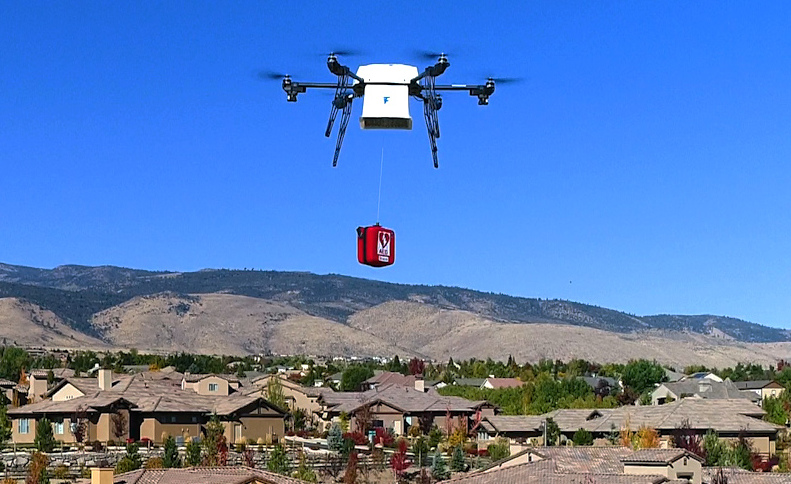
Are Drones Delivery AEDs the Best Solution for Cardiac Arrest?
drones delivery AEDs is a promising innovation that could significantly enhance emergency response times during cardiac arrest incidents. This technology aims to ensure quicker access to life-saving equipment when every second counts.
The Role of Drones in Emergency Healthcare
The integration of drones into emergency healthcare services has the potential to revolutionize the way critical medical supplies are delivered. In particular, the use of drones delivery AEDs could significantly enhance response times in cardiac arrest situations. Traditional methods of transporting Automated External Defibrillators (AEDs) often face delays due to traffic, distance, and accessibility issues.
Studies have shown that every minute counts during a cardiac arrest, with survival rates decreasing by approximately 10% for each minute that passes without intervention. Drones can operate independently of traffic and can reach remote or hard-to-access locations quickly. This capability allows for faster delivery of AEDs, which are crucial for restoring normal heart rhythm.
Several pilot programs across Europe and North America have already demonstrated the feasibility of using drones for medical supply delivery. These initiatives have highlighted the following benefits:
- Reduced Response Times: Drones can deliver AEDs to the scene of an emergency in under 10 minutes.
- Increased Accessibility: Drones can reach areas that are difficult for ground vehicles to access, such as parks or rural locations.
- Cost-Effectiveness: Over time, the use of drones could reduce the costs associated with emergency medical services.
As technology advances, the role of drones in emergency healthcare is likely to expand, making them an integral part of our response systems.
How AEDs Save Lives During Cardiac Arrest
Automated External Defibrillators (AEDs) play a crucial role in saving lives during cardiac arrest events. These portable devices can analyze the heart’s rhythm and deliver an electric shock if necessary, which can restore a normal heart rhythm. The timely application of an AED can significantly increase the chances of survival for a person experiencing cardiac arrest.
The effectiveness of AEDs is largely dependent on the speed of their deployment. Studies have shown that the chances of survival decrease by approximately 10% for every minute that passes without defibrillation. As such, rapid access to AEDs is vital. This is where the integration of drones into emergency healthcare can make a significant impact. Drones delivery AEDs directly to the site of an emergency, potentially overcoming the time delays associated with traditional emergency response methods.
In urban areas, where traffic congestion can hinder ambulance response times, drones can provide a swift alternative. Emergency responders can send drones equipped with AEDs to the location of a cardiac arrest, ensuring that vital equipment arrives much faster than it would through conventional means. The use of drones for AED delivery not only enhances the chances of survival but also supports first responders in their lifesaving efforts.
As technology advances, the adoption of drones delivery AEDs could become a standard practice, revolutionizing emergency medical response systems worldwide.
Benefits of Quick AED Delivery
The rapid delivery of Automated External Defibrillators (AEDs) in emergencies can significantly increase the chances of survival for individuals experiencing cardiac arrest. Drones delivery AEDs offer several key benefits that enhance emergency response efforts.
- Speed: Drones can navigate through traffic and reach remote or hard-to-access areas much faster than traditional emergency services. This quick response is crucial during cardiac emergencies, where every second counts.
- Accessibility: In urban settings, congested roads can delay ground transportation. Drones can bypass these obstacles, ensuring AEDs are delivered directly to the scene of an emergency, no matter the location.
- Increased Coverage: Drones can be deployed from various locations, allowing for wider coverage of communities. This capability is especially beneficial in rural or underserved regions where traditional emergency services may take longer to arrive.
- Real-Time Monitoring: Equipped with GPS and other technology, drones can provide real-time updates to emergency responders about the delivery status, ensuring a coordinated response when the AED arrives.
- Cost-Effectiveness: Utilizing drones for AED delivery can reduce costs associated with emergency transport and logistics, making it a sustainable option for healthcare systems.
Overall, the implementation of drones delivery AEDs represents a promising advancement in emergency healthcare, potentially saving countless lives through quicker access to critical medical devices.
Technological Advances in Medical Response
As advancements in technology continue to reshape the landscape of emergency medical responses, the integration of drones into healthcare has garnered significant attention. One of the most promising applications is the delivery of Automated External Defibrillators (AEDs) via drones, a solution that could revolutionize the response to cardiac arrest incidents.
Recent developments in drone technology have made it possible to create faster, more efficient delivery systems that can navigate urban environments with ease. These aerial vehicles are equipped with navigation systems that allow them to find the shortest routes, even in congested areas where traditional emergency services might face delays.
Moreover, the advancements in battery life and payload capacity mean that drones can carry AEDs over longer distances, ensuring that they reach victims in a timely manner. This is especially crucial in life-threatening situations, where every second counts.
To further enhance their effectiveness, some drones are being designed with real-time monitoring capabilities, allowing emergency responders to track the delivery in progress. This technology not only streamlines the process but also ensures that bystanders are prepared to use the AED as soon as it arrives.
In summary, the technological advances in drone delivery systems for AEDs represent a significant step forward in emergency healthcare. By bridging the gap between the scene of a cardiac arrest and the necessary medical equipment, drones delivery AEDs may indeed be the future of emergency response.
Challenges in Drone Deployment for AEDs
While the potential for drones delivery AEDs is promising, several challenges hinder their widespread adoption in emergency healthcare. Addressing these obstacles is crucial for ensuring effective deployment in critical situations.
- Regulatory Hurdles: The use of drones is heavily regulated in many countries, requiring adherence to strict aviation laws. Navigating these regulations can be time-consuming and complex, potentially delaying the implementation of drone initiatives.
- Technical Limitations: Current drone technology may not yet support the rapid transport of AEDs in all environments. Factors like battery life, range, and payload capacity must be optimized to ensure reliable delivery during emergencies.
- Weather Constraints: Drones are susceptible to adverse weather conditions, including high winds, rain, and snow, which could impede their ability to reach patients promptly. Developing drones that can operate reliably in varied weather is essential.
- Public Acceptance: The acceptance of drones in urban areas depends on public perception of safety and privacy. Educating communities about the benefits of drone delivery and addressing concerns is vital for successful integration.
- Integration with Emergency Services: For drones delivery AEDs to be effective, they must be seamlessly integrated with existing emergency response systems. Coordination between drone operators and emergency services is necessary to ensure efficient deployment.
Future of Drones in Healthcare
The future of drones in healthcare looks promising, particularly in the realm of emergency response. As technology continues to evolve, the potential for drones to deliver Automated External Defibrillators (AEDs) is gaining traction. This innovative approach aims to bridge the gap between the onset of cardiac arrest and the provision of life-saving treatment.
Several factors contribute to the optimistic outlook on drone delivery of AEDs:
- Increased Reach: Drones can access remote or congested areas where traditional ambulance services may face delays.
- Rapid Response: The speed of drones enables quicker access to AEDs, which is critical in improving survival rates during cardiac emergencies.
- Cost-Effectiveness: Utilizing drones may reduce operational costs for healthcare systems, allowing for more resources to be directed towards patient care.
- Innovative Collaborations: Partnerships between tech companies and healthcare providers are fostering advancements in drone technology tailored for medical applications.
As regulatory frameworks adapt to accommodate this technology, the integration of drones into emergency healthcare systems is expected to expand. The successful implementation of drones for AED delivery could revolutionize the way we respond to cardiac arrest situations, ultimately saving more lives. With ongoing research and development, the role of drones in healthcare is poised for significant growth in the coming years.
Many experts believe that drones delivery AEDs could significantly reduce response times in emergencies. As technology advances, the integration of drones delivery AEDs into emergency services may become a standard practice.
By Mollyrose89 via Openverse
References
Related stories
