

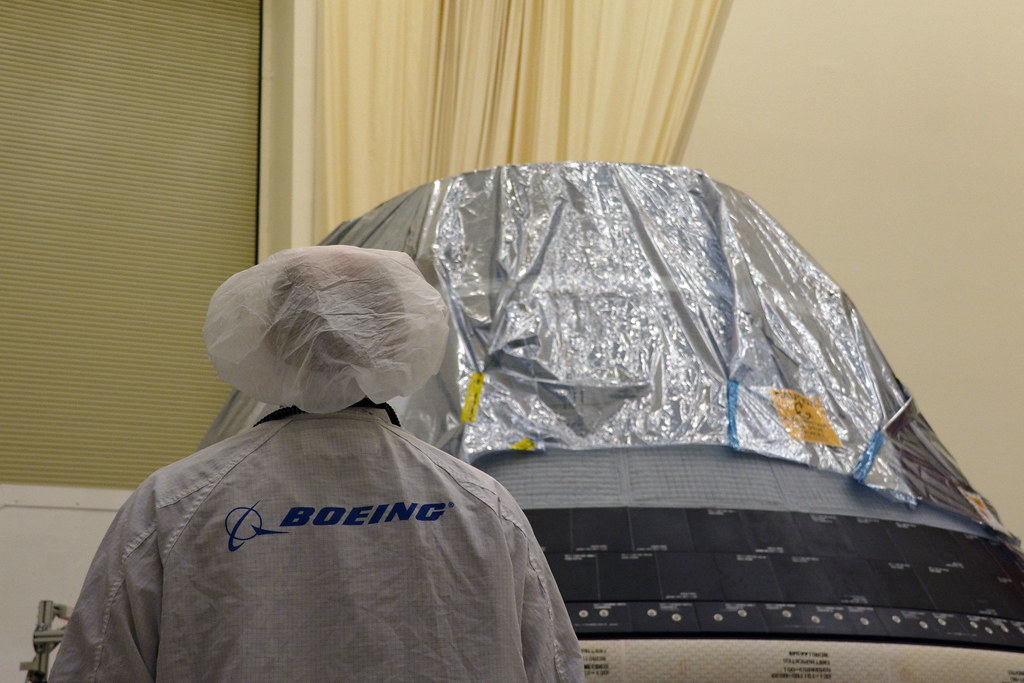
Boeing Starliner missions: What are the best new updates?
Boeing Starliner missions are making headlines as NASA announces new missions for the spacecraft. This development promises to enhance our understanding of space travel.
Overview of NASA’s Announcement
NASA has recently made a significant announcement regarding the Boeing Starliner missions, outlining plans for the spacecraft’s upcoming missions aimed at transporting astronauts to the International Space Station (ISS). This announcement marks a pivotal moment in the agency’s Commercial Crew Program, which seeks to provide reliable access to low Earth orbit. The Starliner spacecraft, developed by Boeing, is positioned to enhance the United States’ capabilities in human spaceflight.
As part of the new plans, NASA will conduct a series of test flights to validate the spacecraft’s systems and ensure safety standards are met before it carries astronauts. The upcoming missions are designed not only to test the spacecraft’s performance but also to demonstrate its ability to function in real-world conditions.
- Test Flight 2 (BFT-2): A critical uncrewed mission aimed at proving the spacecraft’s systems.
- Crew Flight Test (CFT): Planned for later, this mission will carry astronauts to the ISS for the first time.
- Continued Operations: Following successful flights, Boeing aims to establish regular flights to the ISS.
These updates ensure that the Boeing Starliner missions will play a crucial role in maintaining a human presence in space and supporting ongoing scientific research aboard the ISS.
Details of New Boeing Starliner Missions
The recent announcement by NASA has brought exciting updates regarding the Boeing Starliner missions. These missions aim to enhance crew transportation capabilities to the International Space Station (ISS) and improve overall operational efficiency.
One of the key details revealed is the timeline for upcoming launches. NASA has scheduled multiple flights for the Starliner spacecraft, focusing on both uncrewed and crewed missions. The first of these missions is set to be an uncrewed test flight, which will validate the spacecraft’s systems and performance before sending astronauts on board.
The enhancements to the Starliner include:
- Increased Reliability: Ongoing improvements to software and hardware are designed to ensure safer flights.
- Expanded Capacity: The updated spacecraft will accommodate more crew members, facilitating larger missions to the ISS.
- Enhanced Communication: Upgraded communication systems will allow for better interaction between ground control and the crew during missions.
Furthermore, NASA plans to utilize the Starliner for various scientific research missions, emphasizing its role in advancing human space exploration. The collaboration between NASA and Boeing hopes to usher in a new era of space travel, with more frequent missions and increased opportunities for scientific discovery.
Impact on Future Space Travel
The recent announcements surrounding Boeing Starliner missions mark a significant milestone in the realm of space exploration. These missions are poised to reshape our understanding of crewed space travel and its future possibilities.
One of the primary impacts of the Boeing Starliner missions is the potential for increased access to low Earth orbit. With the capability to transport astronauts to the International Space Station (ISS), the Starliner could facilitate more frequent missions, enabling a variety of scientific research opportunities and international collaboration.
Moreover, the success of these missions may lead to advancements in technology that can be applied beyond the ISS. The experience gained from Boeing Starliner missions could influence the design and operation of future spacecraft, including those intended for lunar and Martian missions.
Additionally, as private companies increasingly enter the space industry, the Boeing Starliner missions serve as a model for public-private partnerships. This collaboration not only enhances innovation but also drives down costs associated with space travel, making it more accessible to a wider array of stakeholders.
In conclusion, the Boeing Starliner missions are not just about transporting astronauts; they represent a pivotal step towards a new era of space travel. With the potential to expand human presence in space, these missions could inspire future generations to explore beyond our planet.
Technological Innovations in Starliner
The Boeing Starliner missions are set to showcase a range of technological innovations aimed at enhancing safety and efficiency in space travel. One of the most significant advancements is the integration of an improved avionics system. This system is designed to provide better navigation and communication capabilities, ensuring that the spacecraft can operate seamlessly in various mission profiles.
Additionally, the Starliner is equipped with updated propulsion technology, which enhances its ability to adjust its trajectory during flight. This improvement is particularly crucial for rendezvous operations with the International Space Station (ISS) and other future missions. The new thrusters provide increased reliability and precision, which are essential for successful docking procedures.
Another notable innovation is the implementation of a more robust thermal protection system. This upgrade allows the Starliner to better withstand the extreme temperatures encountered during re-entry into Earth’s atmosphere. The materials used in this system have been carefully selected to optimize performance while minimizing weight, contributing to the overall efficiency of the spacecraft.
Furthermore, the user interface inside the Starliner has been redesigned to enhance crew experience. The cockpit features advanced displays and controls that simplify operations and improve situational awareness. These technological innovations not only ensure the success of upcoming Boeing Starliner missions but also pave the way for future advancements in human spaceflight.
Public Interest and Future Missions
The recent announcement by NASA regarding the Boeing Starliner missions has generated significant public interest, as space exploration continues to captivate the imagination of many. With the upcoming missions, the Starliner is set to play a crucial role in transporting astronauts to the International Space Station (ISS) and beyond.
Many space enthusiasts are eager to follow the progress of the Boeing Starliner missions, which promise to enhance our understanding of space travel and its challenges. The excitement surrounding these missions is evident from public forums and social media platforms, where discussions about the spacecraft’s capabilities and future applications are rampant.
In addition to the immediate goals of transporting crew to the ISS, the future missions aim to pave the way for deeper space exploration. NASA’s vision includes potential missions to the Moon and Mars, with the Starliner serving as a vital link in the transportation chain. This broader scope of exploration not only enhances scientific research but also inspires the next generation of scientists and engineers.
Moreover, Boeing’s commitment to safety and reliability in its spacecraft has resonated with the public, fostering trust and excitement about human spaceflight. As the Boeing Starliner missions approach, the anticipation builds, encouraging more individuals to engage with space exploration and its possibilities.
By NASAKennedy via Openverse
References
Related reading
