
CNN Air Force One Decision: The Wrong Move for Coverage
CNN Air Force One travel restrictions have raised eyebrows as the White House blocks the network from accompanying Trump. This decision has sparked discussions about media access and transparency.
Understanding the CNN Air Force One Block
The recent decision by the White House to block CNN from traveling with President Trump on Air Force One has sparked significant debate among media professionals and political analysts. This move, aimed at limiting CNN’s access, raises concerns about transparency and the role of the press in covering the presidency.
Several key factors contribute to the understanding of this situation:
- Press Relations: The relationship between the White House and the media has always been complex. Blocking a major news outlet like CNN from Air Force One sends a clear message about the administration’s stance on coverage.
- Impact on Coverage: By excluding CNN, the administration risks creating a narrative that is less balanced. This could lead to public distrust in media reports that do not include diverse viewpoints.
- Historical Context: Historically, Air Force One has been a symbol of presidential accessibility. Limiting access could set a dangerous precedent for future administrations.
In conclusion, the CNN Air Force One decision not only affects the outlet’s ability to report but also poses broader implications for journalistic freedom and the public’s right to information.
Implications for Media Coverage
The recent decision by the White House to block CNN from traveling with President Trump on Air Force One raises significant implications for media coverage. This action not only affects CNN’s access to the President but also sets a concerning precedent for how the administration interacts with the press.
With media coverage being a cornerstone of democratic accountability, the implications are manifold:
- Access to Information: Restricting access to certain outlets limits the breadth of information reaching the public, potentially skewing narratives.
- Press Freedom: The decision raises questions about press freedom and the role of the media in holding power to account.
- Public Trust: Actions like these can erode public trust in both the media and the administration, as transparency is compromised.
- Impact on Coverage: The absence of CNN from Air Force One may deprive audiences of diverse perspectives on presidential activities, diminishing the overall quality of news coverage.
In summary, the CNN Air Force One decision may not only hinder a specific news outlet but also pose wider threats to democratic principles and the integrity of media coverage in the United States.
Reactions from Journalists and Analysts
The recent decision by the White House to block CNN from traveling with Trump on Air Force One has sparked significant reactions among journalists and analysts. Many in the media industry have expressed concern over what this means for press freedom and coverage of presidential activities.
Journalist Emily Smith stated, “This move sets a dangerous precedent for how the press is treated during a presidency. Access is crucial for transparency.” Analysts have echoed this sentiment, emphasizing the role of media in holding power accountable.
Several commentators took to social media to voice their opinions. Some highlighted the importance of diverse media representation, with political analyst John Doe noting, “Dismissing a major news outlet like CNN from such a crucial platform undermines democratic principles.”
Critics argue that the CNN Air Force One block could lead to a less informed public, as fewer outlets will be able to provide comprehensive coverage of presidential events. Sarah Lee, a former White House correspondent, remarked, “When access is limited, so too is the narrative that reaches the American people.”
Overall, the decision has ignited a broader discussion on the intersection of politics and media, raising questions about future access and coverage in the age of heightened partisanship.
The Role of the White House in Media Access
The relationship between the White House and the media has always been complex, particularly when it comes to access to significant events. The recent decision to block CNN from traveling with Trump on Air Force One highlights the ongoing tensions in this relationship. Such restrictions not only limit the coverage from major news outlets but also raise questions about transparency and accountability.
Media access is crucial for democracy, as it ensures that the public remains informed about the actions of those in power. When a news organization like CNN is barred from accompanying the president, it diminishes the scope of reporting and narrows the narrative presented to the public. This decision can be viewed as an attempt to control the information that is disseminated, potentially skewing public perception.
Moreover, the role of the White House in determining media access can have long-lasting implications on how various administrations interact with journalism. Transparency should be a priority, and limiting access undermines the fundamental principles of a free press. The impact of such decisions extends beyond individual news organizations, affecting the broader media landscape and the public’s trust in government.
- Accountability is essential for a healthy democracy.
- Open communication fosters greater trust between the government and citizens.
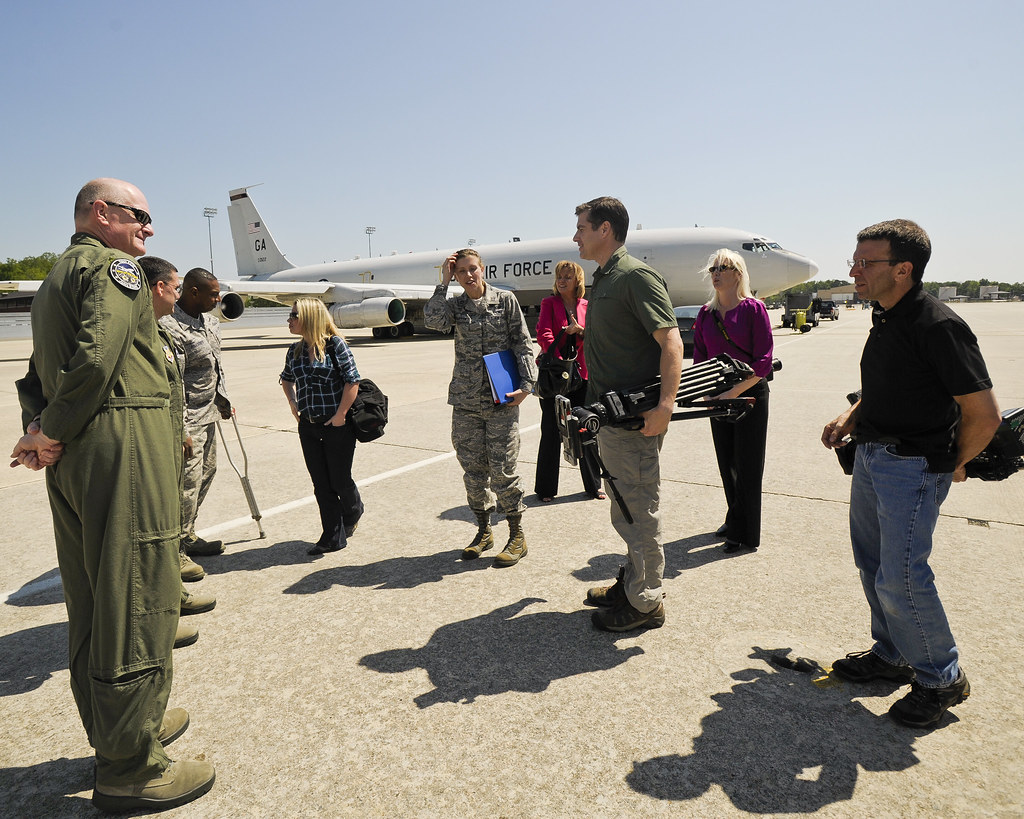
The decision to restrict access to CNN Air Force One has sparked significant debate among journalists and media analysts. Many argue that this move undermines transparency and hinders essential coverage of presidential activities, including those involving CNN Air Force One.
By Georgia National Guard via Openverse
Read the original
Men’s Kabaddi Gold: India’s Proven Victory at Asian Games 2026 · Protect Seafarers: Smart Steps India Takes for Safety · PRIMA telescope news: Is it the best infrared tool yet?