

Are Iranian air defences the Worst Threat to Drones?
Iranian air defences have successfully shot down a US-made LUCAS drone over the Strait of Hormuz, highlighting escalating tensions in the region.
Overview of the Incident
A recent incident has spotlighted the effectiveness of Iranian air defences, as they successfully shot down a US-made LUCAS drone over the strategically significant Strait of Hormuz. This action has raised critical questions regarding the capabilities of Iranian forces in countering aerial threats, particularly those posed by advanced unmanned aerial vehicles.
The event unfolded when the drone, reportedly on a reconnaissance mission, strayed into Iranian airspace. Iranian military officials claimed that the LUCAS drone posed a potential threat, prompting a quick response from their air defence systems. This incident underscores the increasing sophistication of Iranian air defences, which have been enhanced in recent years through both domestic advancements and the acquisition of foreign technology.
In light of this incident, analysts have noted several key points:
- The significance of the Strait of Hormuz: This waterway is a crucial chokepoint for global oil shipments, making any military action in the area particularly sensitive.
- Technological advancements: Iranian air defences have reportedly improved their detection and interception capabilities, which could represent a significant threat to drones operating in the region.
- Geopolitical implications: The downing of the drone may heighten tensions between the United States and Iran, potentially impacting future military engagements.
The incident not only demonstrates the operational capacity of Iranian air defences but also serves as a stark reminder of the ongoing aerial confrontations in the region.
Impact on Regional Security
The recent incident involving Iranian air defences shooting down a US-made LUCAS drone has raised significant concerns about regional security dynamics. As tensions escalate in the Strait of Hormuz, the effectiveness of Iranian air defences becomes a focal point for both allies and adversaries in the region.
There are several implications of this event for regional security:
- Increased Military Activity: The incident may prompt heightened military operations by countries monitoring Iranian activities, leading to a potential arms race in the region.
- Drone Warfare Expansion: With the rising capabilities of Iranian air defences, adversaries might rely more on advanced drone technologies, pushing the boundaries of aerial warfare.
- Shift in Strategic Alliances: Nations feeling threatened by Iran’s air defence systems might seek closer ties with global powers, particularly the United States, to bolster their own military capabilities.
- Heightened Surveillance: Countries in the region may increase reconnaissance missions to gather intelligence on Iranian air defence strategies, further complicating the security landscape.
As the implications of this incident unfold, the perceived threat posed by Iranian air defences could reshape security policies and military strategies across the Middle East. The balance of power is precarious, and the ability to counteract drone capabilities will be critical for maintaining stability in the region.
Iranian Air Defences Explained
Iranian air defences have become a crucial element in the nation’s military strategy, especially in light of recent incidents involving unmanned aerial vehicles. The shootdown of a US-made LUCAS drone over the Strait of Hormuz has sparked significant discussions regarding the effectiveness and sophistication of these defences.
The Iranian military has invested heavily in developing a multi-layered air defence system designed to counter various aerial threats, including drones. This system includes:
- Surface-to-air missile systems: These systems are capable of engaging multiple types of aerial threats at various altitudes.
- Radar technology: Advanced radar systems allow for early detection and tracking of incoming drones, providing a tactical advantage.
- Electronic warfare capabilities: Iran has been known to utilize electronic jamming to disrupt drone operations.
Moreover, the geography of Iran, with its mountainous terrain and extensive coastline, provides additional challenges for aerial operations, making it difficult for hostile drones to navigate effectively. As Iranian air defences continue to evolve, they pose a significant challenge not only to regional adversaries but also to any foreign powers seeking to operate in Iranian airspace.
This recent incident underscores the importance of understanding the capabilities and limitations of Iranian air defences, particularly as tensions in the region remain high.
Responses from the US
The recent incident involving Iranian air defences shooting down a US-made LUCAS drone has sparked significant responses from US officials. Many in the Pentagon are reassessing the effectiveness and reliability of Iranian air defences, particularly in the context of their capability to target advanced aerial threats. While the Iranian military has claimed a successful operation, US defense analysts argue that this incident raises more questions than answers.
In light of the situation, a spokesman for the US Department of Defense stated, “This event highlights the growing sophistication of Iranian air defences and their willingness to engage in confrontational tactics over strategic waterways.” The Strait of Hormuz, a vital oil transit route, remains a flashpoint for tensions between the two nations. As a result, the US is likely to enhance surveillance and reconnaissance missions in the region.
The US military is also evaluating its drone capabilities, considering potential adjustments in operational protocols to mitigate risks posed by Iranian air defences. Some experts suggest that the effectiveness of US drones could be compromised if such incidents continue to occur.
As tensions escalate, the US is expected to work closely with allies in the region to bolster collective defense strategies. The incident serves as a reminder that Iranian air defences represent a significant challenge for US and allied operations in the area.
Future Implications for Drones
The recent incident involving the downing of a US-made LUCAS drone by Iranian air defences highlights significant future implications for drone operations in the region. The effectiveness of these air defences poses a growing challenge for military and civilian drone activities alike.
As tensions continue to rise in the Middle East, the evolution of Iranian air defences is likely to have several key impacts:
- Increased Caution Among Operators: Military and commercial drone operators may need to adopt more cautious strategies when conducting missions near Iranian airspace, potentially limiting operational capabilities.
- Technological Advancements: In response to these threats, drone manufacturers might invest in more sophisticated technologies, such as enhanced stealth features or advanced jamming capabilities, to counteract Iranian air defences.
- Shifts in Tactics: Military forces may adjust their tactics by using swarming technology or employing unmanned aerial systems in coordinated formations to overwhelm Iranian air defences.
- Regional Arms Race: The effectiveness of Iranian air defences could trigger an arms race, with neighboring countries seeking to bolster their own systems in response to perceived threats.
Overall, the implications of robust Iranian air defences extend far beyond the immediate incident, reshaping the landscape of aerial warfare and drone operations in the region.
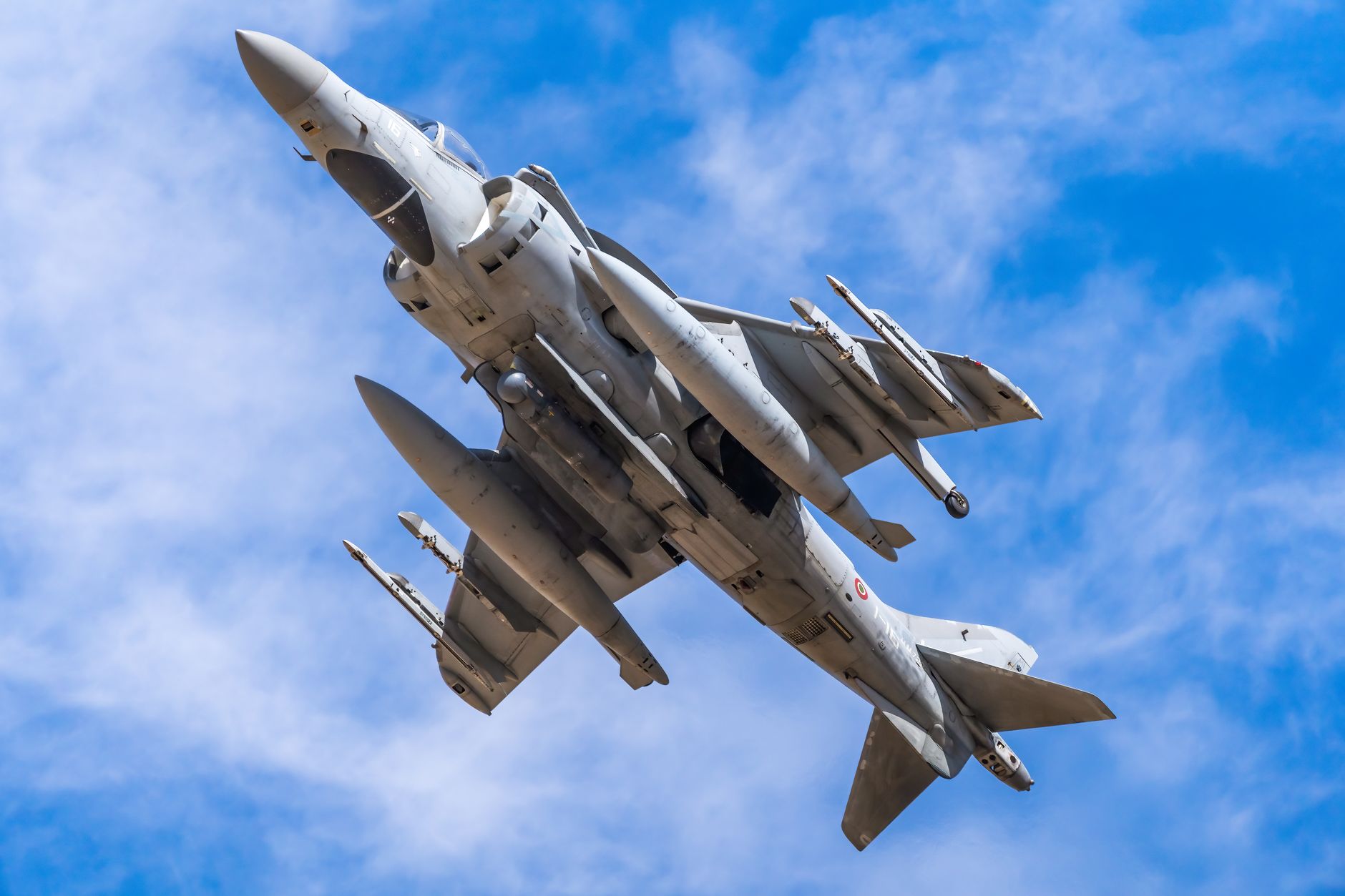
Photo by Rafael Minguet Delgado on Pexels
Sources
India Today · Iranian Air Defense Force
You might also like
Trump Asia Trip: Proven Economic Deals and Talks Ahead · Delhi Sheesh Mahal: The Worst Example of Corruption Exposed · Is the Krishna Temple issue the Right Move for BJP?