
Are AI wearable devices the best shopping assistants yet?
AI wearable devices are making waves in the tech world, promising to revolutionize shopping and interaction. With Amazon’s latest launch, these devices enhance convenience and connectivity.
What are the new AI wearable devices?
Recently, Amazon has introduced two innovative AI wearable devices designed to enhance the shopping experience. These devices leverage cutting-edge technology to assist users in making informed purchasing decisions.
The first device is a smart headset equipped with advanced voice recognition capabilities. It can listen to conversations and provide users with real-time information about products and prices, making it easier to compare options while shopping.
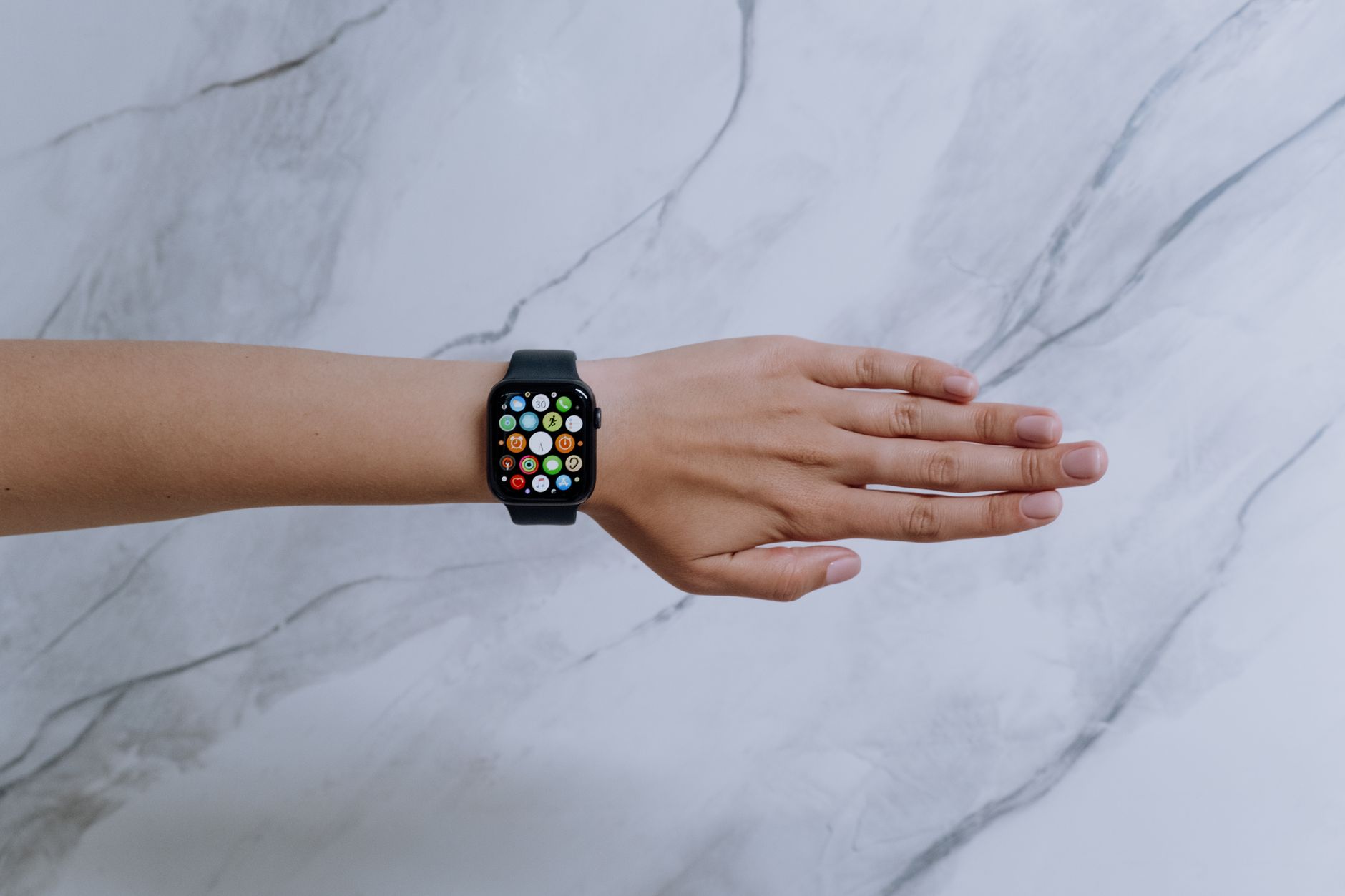
The second device is a sleek wristband that uses AI algorithms to analyze user preferences and shopping habits. It offers personalized recommendations by tracking items of interest and suggesting alternatives that may better fit the user’s needs.
These AI wearable devices not only streamline the shopping process but also aim to create a more interactive and engaging experience. Users can communicate with the devices effortlessly, as they are designed to respond to voice commands and provide assistance without any hassle.
As technology continues to evolve, the integration of AI in wearable devices promises to revolutionize how consumers approach shopping, potentially making these gadgets the best shopping assistants yet.
How do these devices enhance shopping?
AI wearable devices are revolutionizing the shopping experience by offering personalized assistance and real-time information. These innovative gadgets leverage advanced technology to enhance how consumers interact with products and make purchasing decisions.
One significant way these devices enhance shopping is through voice recognition. Users can simply speak their needs, and the AI will provide tailored recommendations based on preferences and past purchases. This hands-free approach allows for a seamless shopping experience, especially in busy environments.
Additionally, AI wearable devices can utilize augmented reality to help shoppers visualize products in their own spaces. For example, a shopper could see how a piece of furniture looks in their living room or how a pair of shoes fits their wardrobe, all through the device’s interface.
- Instant price comparisons: Shoppers can quickly check prices across multiple retailers.
- Product reviews: Access to user reviews helps in making informed decisions.
- Shopping alerts: Notifications about sales or promotions can be sent directly to the device.
Overall, AI wearable devices serve as powerful shopping assistants, streamlining the consumer journey and enhancing satisfaction.
Are AI wearables safe for conversations?
As the popularity of AI wearable devices continues to rise, concerns about their safety during conversations have become a significant topic of discussion. Many users wonder if these devices can truly respect privacy while assisting with shopping tasks.
AI wearable devices, such as those recently introduced by Amazon, are designed to listen actively to conversations and provide relevant suggestions based on real-time dialogue. However, this functionality raises questions about data security and the potential for misuse.
Experts suggest that:
- Data Encryption: Manufacturers should implement robust encryption methods to protect users’ conversations.
- User Control: Users should have the ability to turn off the listening feature or delete their recorded data at any time.
- Transparency: Clear communication regarding how data is collected and used can help build trust among users.
Despite these considerations, many users appreciate the convenience offered by AI wearable devices. As technology evolves, finding the right balance between functionality and safety will be crucial.
Ultimately, it is essential for consumers to stay informed and make educated choices about their use of AI wearables in daily life.
User experiences with Amazon’s AI devices
User experiences with Amazon’s AI wearable devices have been mixed, reflecting the novelty of the technology and the varying needs of shoppers. Many users have praised the AI wearable devices for their convenience, noting how they can quickly provide product recommendations while browsing in stores. One user shared, “It’s like having a personal shopper right on my wrist; I just ask, and it finds what I’m looking for.”
However, there are concerns regarding the devices’ ability to accurately understand context during conversations. Several users reported instances where the device misinterpreted questions or provided irrelevant suggestions, leading to frustration. “I expected it to know my preferences better,” another user commented, “but sometimes it feels like it’s guessing.”
Privacy issues also surfaced, as some users expressed discomfort with the idea of the devices constantly listening. “I like the idea, but I’m wary of how much it hears,” said a concerned shopper. Overall, while many appreciate the potential of AI wearable devices as shopping assistants, it seems users are still adjusting to their capabilities and limitations.
The future of wearable technology
The evolution of AI wearable devices is rapidly transforming how we interact with technology in everyday situations. As they become more integrated into our daily lives, the potential applications for these devices extend far beyond shopping assistance.
Experts predict that the future of wearable technology will focus on enhancing user experience through improved functionality, seamless integration, and personalized features. This shift will likely involve:
- Advanced AI algorithms: These will allow wearables to learn user preferences and habits over time, creating a more tailored experience.
- Health monitoring: Future devices may incorporate health tracking features, helping users manage not only their shopping but also their well-being.
- Augmented reality: Integrating AR could provide real-time information and visualizations, enhancing the shopping experience even further.
- Interconnectivity: As more devices become interconnected, users can expect a seamless experience across various platforms, simplifying their interactions with technology.
As AI wearable devices continue to evolve, they may just become the best shopping assistants yet, offering convenience and efficiency that redefine the retail landscape.
Photo by cottonbro studio on Pexels
References
Related reading